


Congenital aniridia: etiology, manifestations and management
- PMID: 30100922
- PMCID: PMC6086384
- DOI: 10.1586/17469899.2016.1152182
Congenital aniridia: etiology, manifestations and management
Abstract
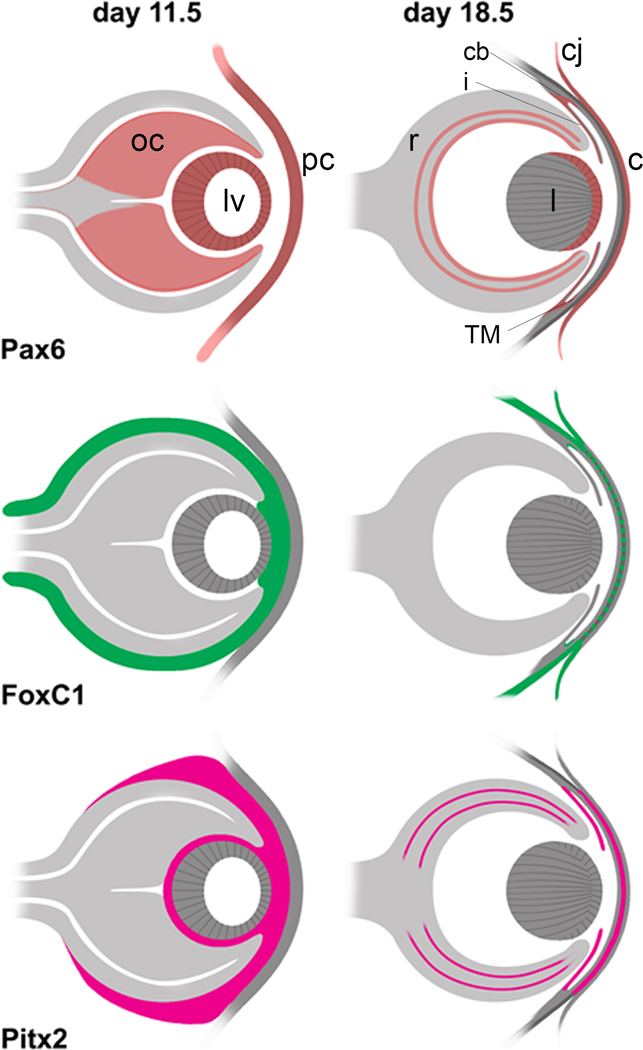
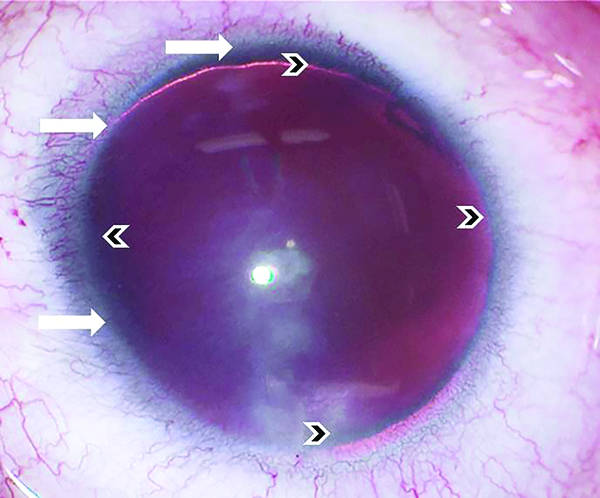
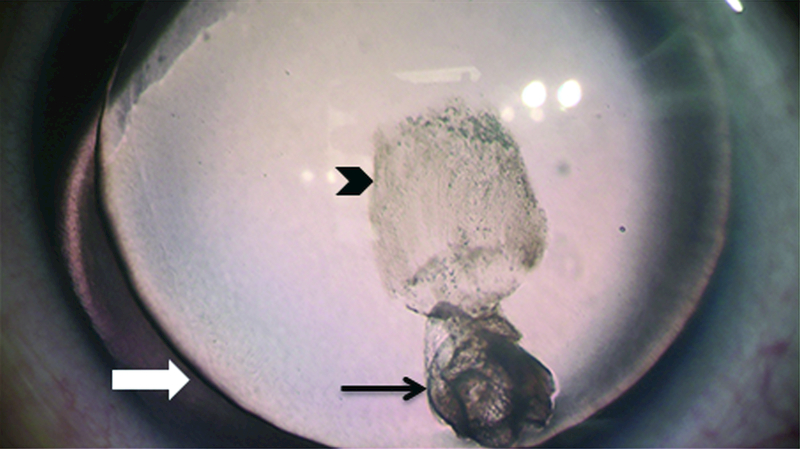
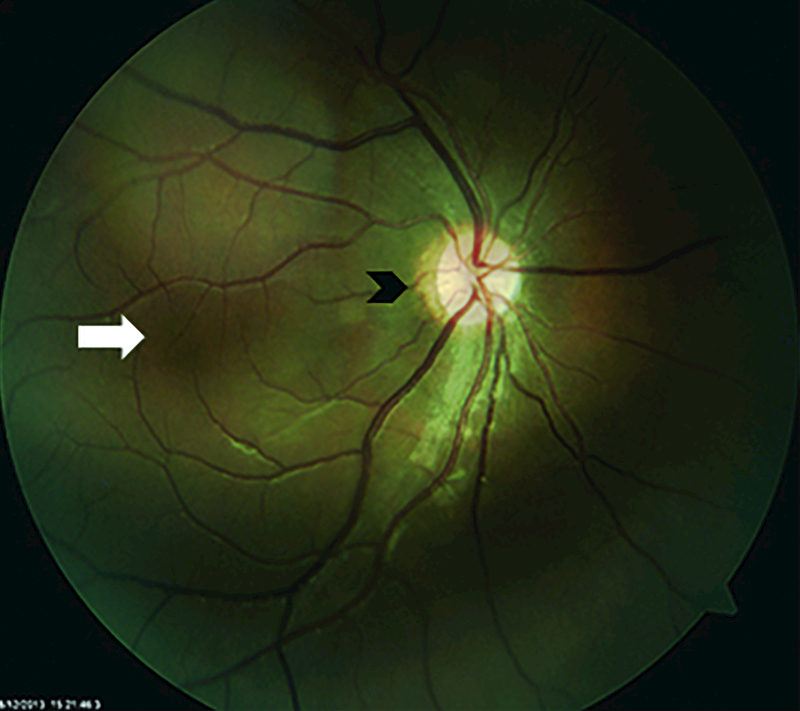
Congenital aniridia manifests as total or partial absence of the iris caused most commonly by mutations in PAX6, FOXC1, PITX2, and CYP1B1. Recently two new genes, FOXD3 and TRIM44, have also been implicated in isolated studies. We discuss the genotype-phenotype correlations for the main implicated genes. Classic aniridia is a panocular condition, which includes aniridia, cataract, corneal pannus, foveal, and optic nerve hypoplasia associated with mutations in the PAX6 gene. Classical aniridia is due to PAX6 mutations, while other genes contribute to aniridia-like phenotypes. We review the challenges involved in the management of aniridia, and discuss various surgical interventions. The clinical importance of defining the genotype in cases of congenital aniridia has become acutely apparent with the advent of possible therapies for classical aniridia, which are discussed.
Keywords: aniridia; aniridia-associated keratopathy; cataract; congenital; goniotomy.
Figures
References
-
- Nelson LB, Spaeth GL, Nowinski TS, Margo CE, and Jackson L (1984). Aniridia. A review. Survey of ophthalmology 28, 621–642. - PubMed
-
- Sharma V, and Mohan M (2010). Traumatic aniridia and self-sealed globe rupture following blunt trauma. Eye 24, 1526. - PubMed
-
-
Grant WM, and Walton DS (1974). Progressive changes in the angle in congenital aniridia, with development of glaucoma. Am J Ophthalmol 78, 842–847.
** First to report the presence of an iris stump through gonioscopy in all cases of congenital aniridia, and extend findings for progressive angle changes in these patients resulting in glaucoma.
-
-
- Shaham O, Menuchin Y, Farhy C, and Ashery-Padan R (2012). Pax6: a multi-level regulator of ocular development. Progress in retinal and eye research 31, 351–376. - PubMed
-
- Walther C, and Gruss P (1991). Pax-6, a murine paired box gene, is expressed in the developing CNS. Development 113, 1435–1449. - PubMed
Grants and funding
LinkOut - more resources
Full Text Sources
Other Literature Sources