


On the Nature of Evidence and 'Proving' Causality: Smoking and Lung Cancer vs. Sun Exposure, Vitamin D and Multiple Sclerosis
- PMID: 30103527
- PMCID: PMC6121485
- DOI: 10.3390/ijerph15081726
On the Nature of Evidence and 'Proving' Causality: Smoking and Lung Cancer vs. Sun Exposure, Vitamin D and Multiple Sclerosis
Abstract
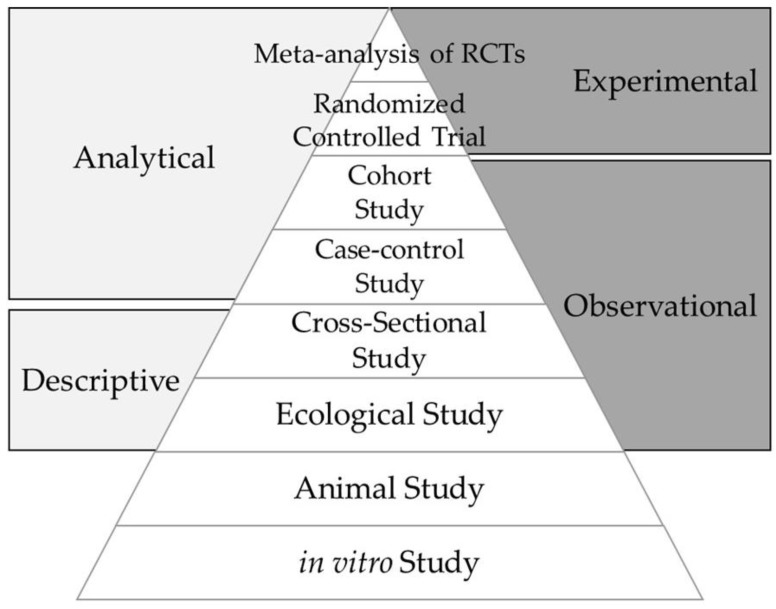
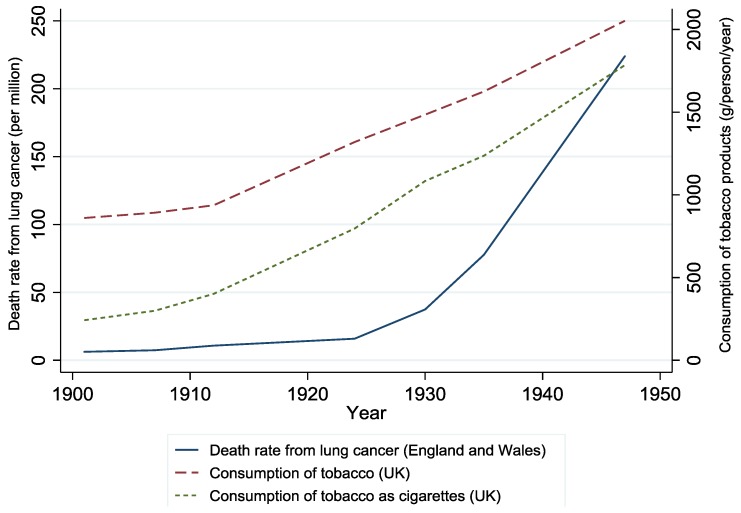
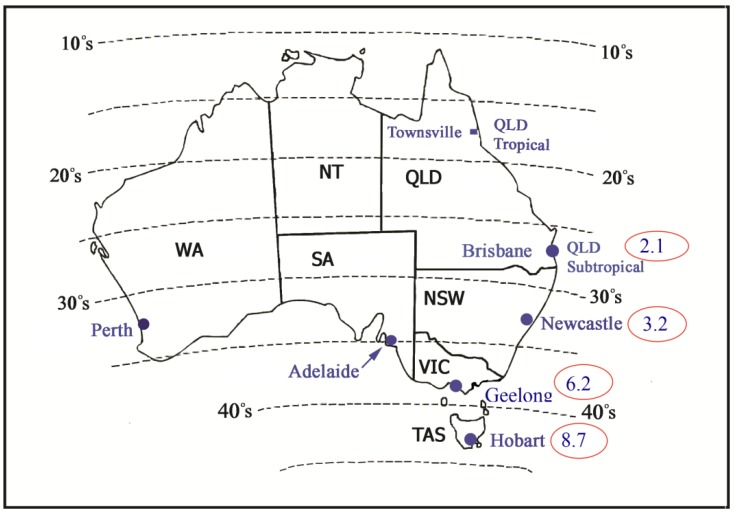
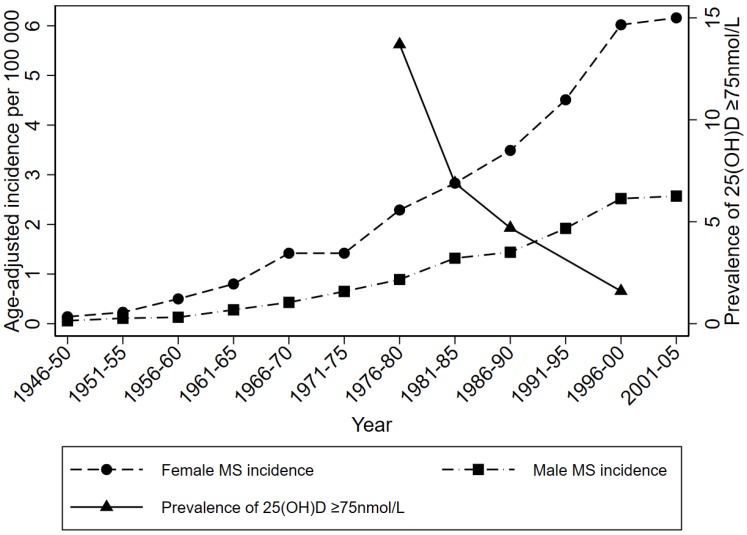
If environmental exposures are shown to cause an adverse health outcome, reducing exposure should reduce the disease risk. Links between exposures and outcomes are typically based on 'associations' derived from observational studies, and causality may not be clear. Randomized controlled trials to 'prove' causality are often not feasible or ethical. Here the history of evidence that tobacco smoking causes lung cancer-from observational studies-is compared to that of low sun exposure and/or low vitamin D status as causal risk factors for the autoimmune disease, multiple sclerosis (MS). Evidence derives from in vitro and animal studies, as well as ecological, case-control and cohort studies, in order of increasing strength. For smoking and lung cancer, the associations are strong, consistent, and biologically plausible-the evidence is coherent or 'in harmony'. For low sun exposure/vitamin D as risk factors for MS, the evidence is weaker, with smaller effect sizes, but coherent across a range of sources of evidence, and biologically plausible. The association is less direct-smoking is directly toxic and carcinogenic to the lung, but sun exposure/vitamin D modulate the immune system, which in turn may reduce the risk of immune attack on self-proteins in the central nervous system. Opinion about whether there is sufficient evidence to conclude that low sun exposure/vitamin D increase the risk of multiple sclerosis, is divided. General public health advice to receive sufficient sun exposure to avoid vitamin D deficiency (<50 nmol/L) should also ensure any benefits for multiple sclerosis, but must be tempered against the risk of skin cancers.
Keywords: association; causality; epidemiology; lung cancer; multiple sclerosis; smoking; sun exposure; vitamin D.
Conflict of interest statement
The authors declare no conflicts of interest.
Figures
References
-
- NHMRC . NHMRC Additional Levels of Evidence and Grades for Recommendations for Developers of Guidelines. National Health and Medical Research Council of Australia; Canberra, Australia: 2009.
-
- Ng R.L., Scott N.M., Strickland D.H., Gorman S., Grimbaldeston M.A., Norval M., Waithman J., Hart P.H. Altered immunity and dendritic cell activity in the periphery of mice after long-term engraftment with bone marrow from ultraviolet-irradiated mice. J. Immunol. 2013;190:5471–5484. doi: 10.4049/jimmunol.1202786. - DOI - PubMed
-
- Adler I. Primary Malignant Growths of the Lungs and Bronchi. Longmans, Green, and Co.; New York, NY, USA: 1912.
Publication types
MeSH terms
LinkOut - more resources
Full Text Sources
Other Literature Sources
Medical
