


Acceptability and Utilization of Three Nutritional Supplements during Pregnancy: Findings from a Longitudinal, Mixed-Methods Study in Niger
- PMID: 30103529
- PMCID: PMC6115835
- DOI: 10.3390/nu10081073
Acceptability and Utilization of Three Nutritional Supplements during Pregnancy: Findings from a Longitudinal, Mixed-Methods Study in Niger
Abstract
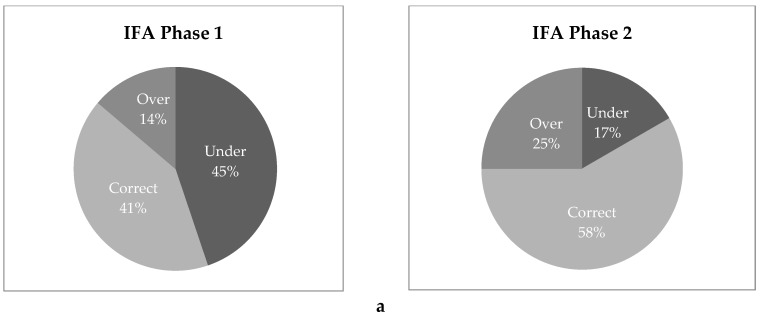
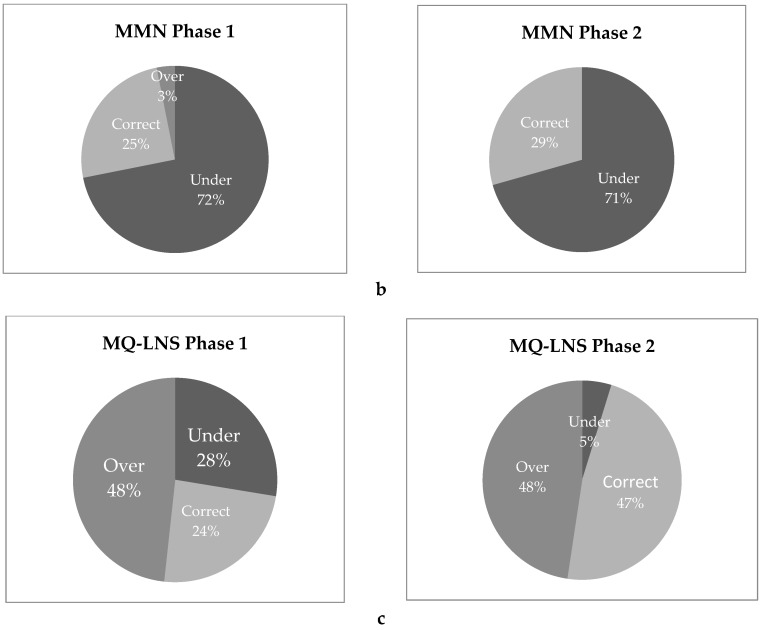
Nutritional status in pregnancy is a key determinant of birth outcomes. In low-income countries, maternal diets are often limited, and daily nutrient supplements are recommended to fill nutrient gaps. As a result, it is important to understand the factors influencing acceptability and utilization of nutrient supplements in these settings. Qualitative data (individual interviews and focus group discussions with pregnant women, household members, and study staff) and quantitative data (unannounced household spot checks) were collected in 24 villages in the Maradi region of south-central Niger. Each village was randomly assigned to one of three study arms, with pregnant women receiving either iron and folic acid (IFA) supplements, multiple micronutrient (MMN) supplements, or medium-quantity lipid-based nutrient supplements (MQ-LNS) for daily consumption during pregnancy. Data were collected longitudinally to capture changes in perspective as women progressed through their pregnancy. Participants accepted all three supplement types, and perceived a wide range of health benefits attributed to supplement consumption. However, several important barriers to appropriate consumption were reported, and rumors about the supplements leading to childbirth complications also decreased utilization. The household spot checks suggested that IFA had the highest level of correct consumption. Overall, despite a stated high level of acceptance and enthusiasm for the supplements among participants and their household members, certain fears, side effects, and organoleptic factors led to decreased utilization. The effectiveness of future programs to improve maternal nutritional status through supplementation may be improved by understanding perceived barriers and facilitating factors among participants and tailoring communication efforts appropriately.
Keywords: Niger; diet; maternal nutrition; pregnancy outcomes; prenatal supplement; qualitative methods.
Conflict of interest statement
The authors declare no conflict of interest. The founding sponsors had no role in the design of the study; in the collection, analyses, or interpretation of data; in the writing of the manuscript, and in the decision to publish the results.
Figures
References
-
- Bhutta Z.A., Das J.K., Rizvi A., Gaffey M.F., Walker N., Horton S., Webb P., Lartey A., Black R.E., The Lancet Nutrition Interventions Review Group. the Maternal and Child Nutrition Study Group Evidence-based interventions for improvement of maternal and child nutrition: What can be done and at what cost? Lancet. 2013;382:452–477. doi: 10.1016/S0140-6736(13)60996-4. - DOI - PubMed
-
- Miller S., Abalos E., Chamillard M., Ciapponi A., Colaci D., Comandé D., Diaz V., Geller S., Hanson C., Langer A., et al. Beyond too little, too late and too much, too soon: A pathway towards evidence-based, respectful maternity care worldwide. Lancet. 2016;388:2176–2192. doi: 10.1016/S0140-6736(16)31472-6. - DOI - PubMed
-
- Christian P., Srihari S.B., Thorne-Lyman A., Khatry S.K., LeClerq S.C., Shrestha S.R. Eating Down in Pregnancy: Exploring Food-Related Beliefs and Practices of Pregnancy in Rural Nepal. Ecol. Food Nutr. 2006;45:253–278. doi: 10.1080/03670240600846336. - DOI
-
- Harding K.L., Matias S.L., Mridha M.K., Vosti S.A., Hussain S., Dewey K.G., Stewart C.P. Eating down or simply eating less? The diet and health implications of these practices during pregnancy and postpartum in rural Bangladesh. Public Health Nutr. 2017;20:1–13. doi: 10.1017/S1368980017000672. - DOI - PMC - PubMed
Publication types
MeSH terms
Substances
LinkOut - more resources
Full Text Sources
Other Literature Sources
Medical
Research Materials
