


Sex: A Significant Risk Factor for Neurodevelopmental and Neurodegenerative Disorders
- PMID: 30104506
- PMCID: PMC6120011
- DOI: 10.3390/brainsci8080154
Sex: A Significant Risk Factor for Neurodevelopmental and Neurodegenerative Disorders
Abstract
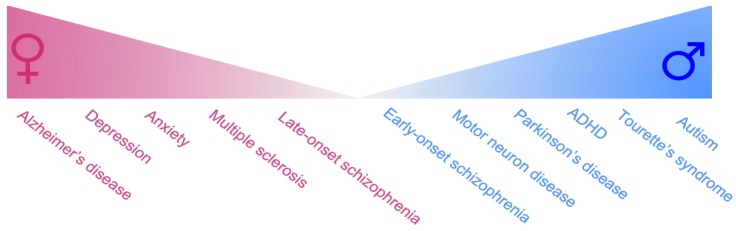
Males and females sometimes significantly differ in their propensity to develop neurological disorders. Females suffer more from mood disorders such as depression and anxiety, whereas males are more susceptible to deficits in the dopamine system including Parkinson's disease (PD), attention-deficit hyperactivity disorder (ADHD) and autism. Despite this, biological sex is rarely considered when making treatment decisions in neurological disorders. A better understanding of the molecular mechanism(s) underlying sex differences in the healthy and diseased brain will help to devise diagnostic and therapeutic strategies optimal for each sex. Thus, the aim of this review is to discuss the available evidence on sex differences in neuropsychiatric and neurodegenerative disorders regarding prevalence, progression, symptoms and response to therapy. We also discuss the sex-related factors such as gonadal sex hormones and sex chromosome genes and how these might help to explain some of the clinically observed sex differences in these disorders. In particular, we highlight the emerging role of the Y-chromosome gene, SRY, in the male brain and its potential role as a male-specific risk factor for disorders such as PD, autism, and ADHD in many individuals.
Keywords: ADHD; Alzheimer’s disease; Parkinson’s disease; SRY; autism; brain sex differences; depression; estrogen; gender-specific medicine; schizophrenia; testosterone.
Conflict of interest statement
The authors declare no conflict of interest.
Figures
References
Publication types
LinkOut - more resources
Full Text Sources
Other Literature Sources
