


Diastolic dysfunction in tetralogy of Fallot: Comparison of echocardiography with catheterization
- PMID: 30105757
- PMCID: PMC6205242
- DOI: 10.1111/echo.14113
Diastolic dysfunction in tetralogy of Fallot: Comparison of echocardiography with catheterization
Abstract
Background: Right ventricular (RV) systolic dysfunction has been associated with adverse outcomes in tetralogy of Fallot (TOF). However, the role and etiology of diastolic dysfunction remain incompletely defined. We assessed the association between traditional echocardiographic measures of diastolic function with catheter-based RV end-diastolic pressure (RVEDP) and identified clinical characteristics independently associated with diastolic dysfunction.
Methods: Single-center, retrospective cohort study of surgically repaired TOF patients undergoing cardiac catheterization with echocardiograms within 3 months prior to the catheterization. Tricuspid inflow and tissue Doppler measurements (E/A, E/e', and deceleration time) defined diastolic dysfunction, graded as impaired relaxation, pseudonormal, or restrictive physiology. Regression analyses tested associations between echocardiographic parameters, RVEDP, and clinical characteristics.
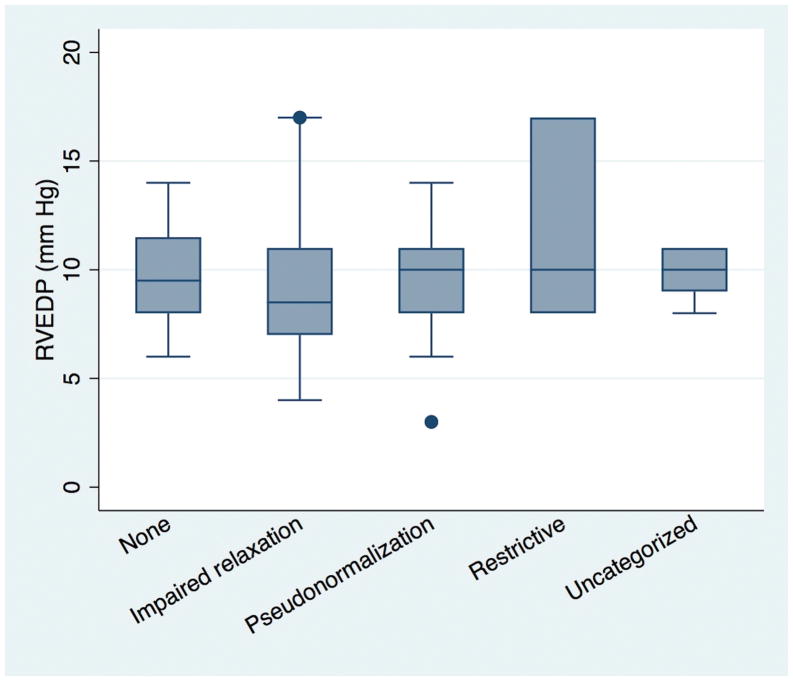
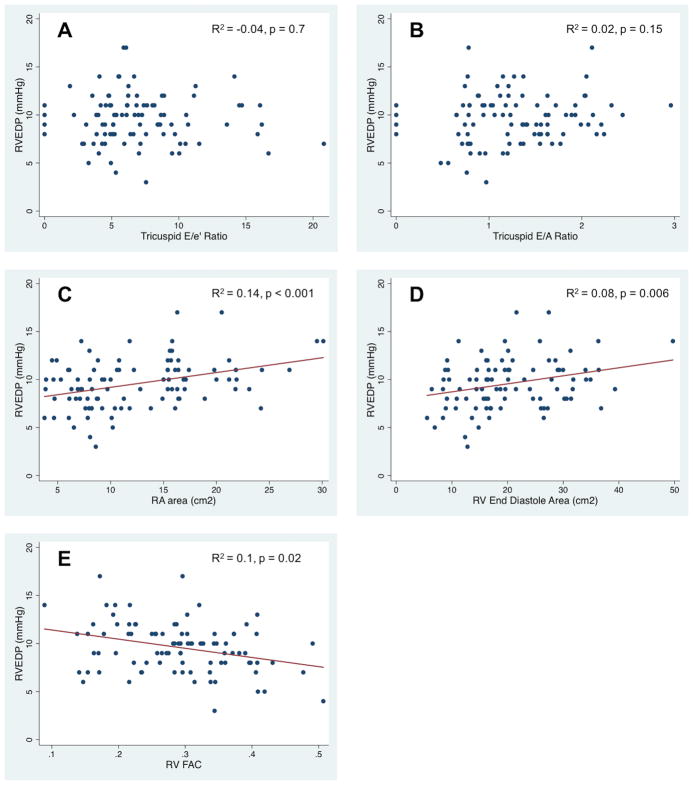
Results: Ninety-four subjects were included. Catheterization age was 8.9 years (interquartile range 4.4, 15.9). RVEDP was 9.5 ± 2.5 mm Hg. Sixty-one (65%) subjects had echocardiographic evidence of diastolic dysfunction. RVEDP was not associated with echocardiographic parameters of diastolic function (grade of dysfunction, E/e', or E/A). Higher RVEDP was associated with larger right atrial and RV end-diastolic area, independently of weight and degree of pulmonary or tricuspid regurgitation, though was not associated with indexed right atrial or RV end-diastolic area. Greater number of interim procedures was associated with higher RVEDP, E/e', and the presence of diastolic dysfunction by echocardiography.
Conclusions: Diastolic dysfunction, as determined by echocardiography-derived and catheter-based (RVEDP) measures, is prevalent in this TOF population. These measures are not associated with each other; therefore, echocardiographic parameters of diastolic function are not reflective of RVEDP. The development of noninvasive parameters that correlate with filling pressures is required.
Keywords: congenital heart disease; diastolic dysfunction; doppler echocardiography; tetralogy of fallot.
© 2018 Wiley Periodicals, Inc.
Figures
References
-
- Gatzoulis MA, Balaji S, Webber SA, et al. Risk factors for arrhythmia and sudden cardiac death late after repair of tetralogy of Fallot: a multicentre study. Lancet. 2000;356:975–981. - PubMed
-
- Geva T, Sandweiss BM, Gauvreau K, et al. Factors associated with impaired clinical status in long-term survivors of tetralogy of Fallot repair evaluated by magnetic resonance imaging. J Am Coll Cardiol. 2004;43:1068–1074. - PubMed
-
- Rudski LG, Lai WW, Afilalo J, et al. Guidelines for the echocardiographic assessment of the right heart in adults: a report from the American Society of Echocardiography endorsed by the European Association of Echocardiography, a registered branch of the European Society of Cardiology, and the Canadian Society of Echocardiography. J Am Soc Echocardiogr. 2010;23:685–713. - PubMed
-
- Nageh MF, Kopelen HA, Zoghbi WA, et al. Estimation of mean right atrial pressure using tissue Doppler imaging. Am J Cardiol. 1999;84:1448–1451. - PubMed
Publication types
MeSH terms
Grants and funding
LinkOut - more resources
Full Text Sources
Other Literature Sources
