


Stimulus vignetting and orientation selectivity in human visual cortex
- PMID: 30106372
- PMCID: PMC6092116
- DOI: 10.7554/eLife.37241
Stimulus vignetting and orientation selectivity in human visual cortex
Abstract
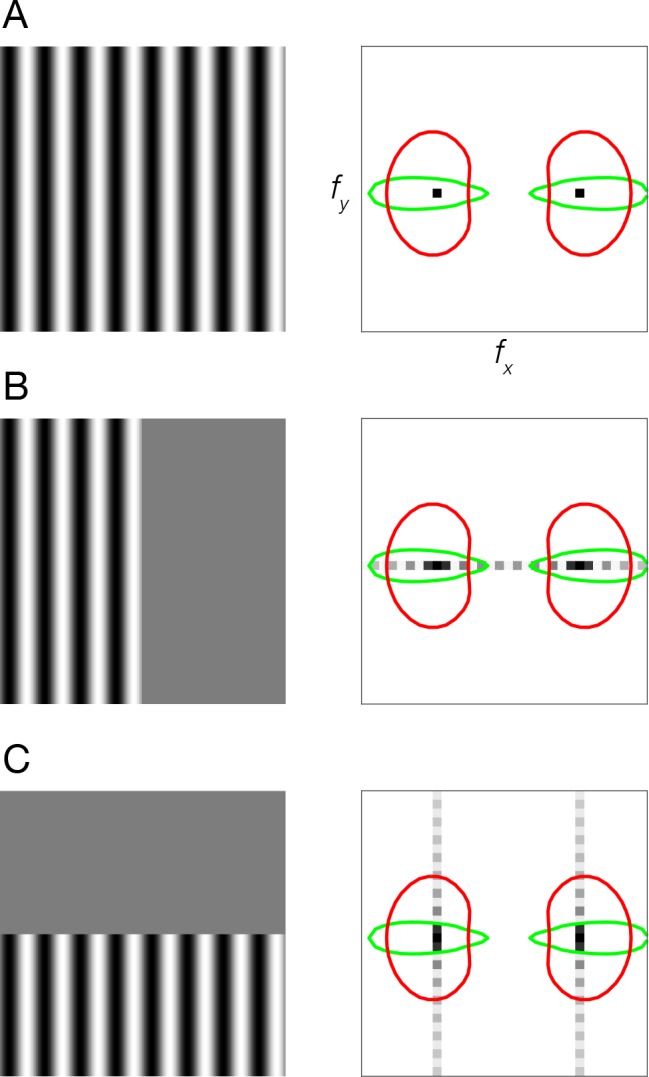
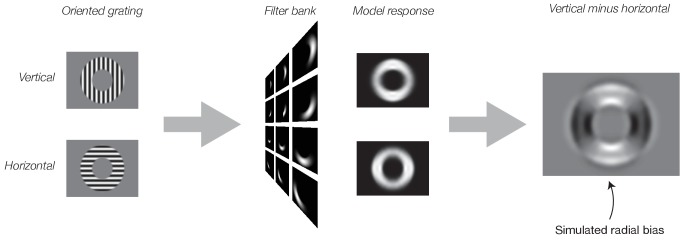
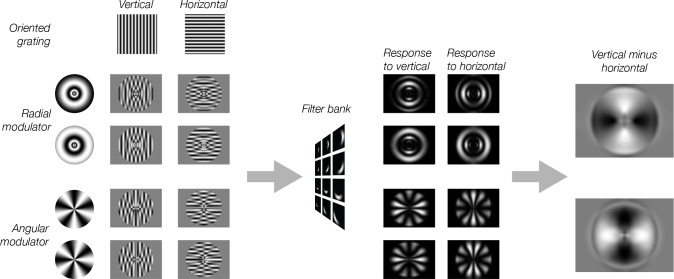
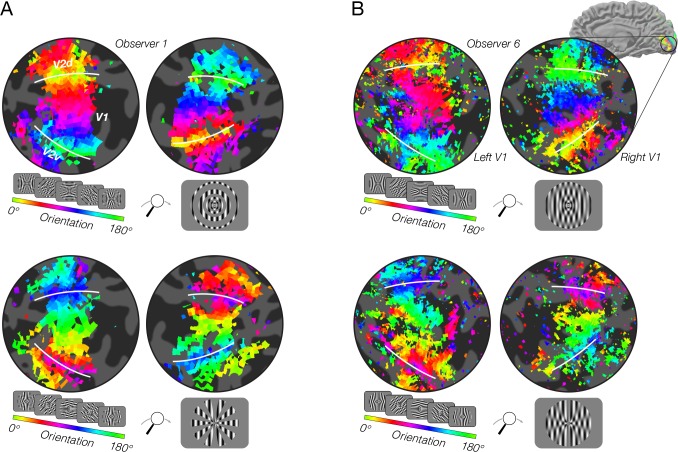
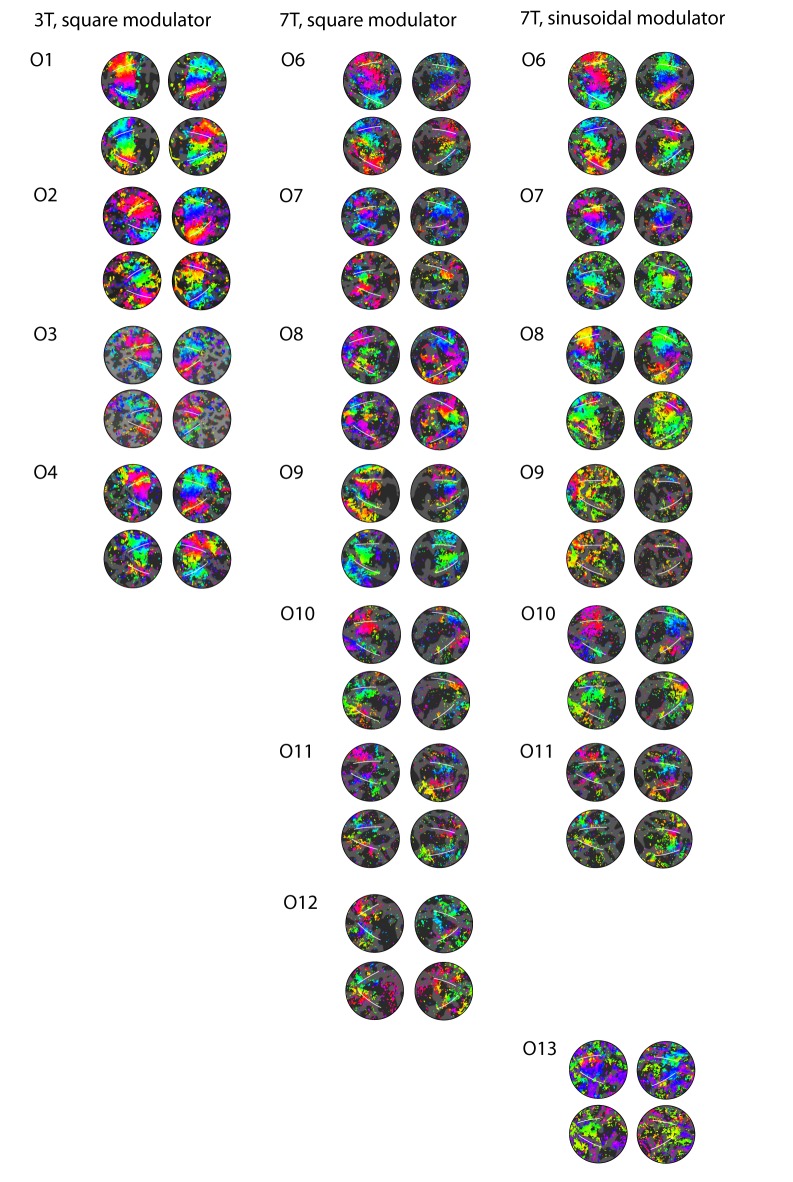
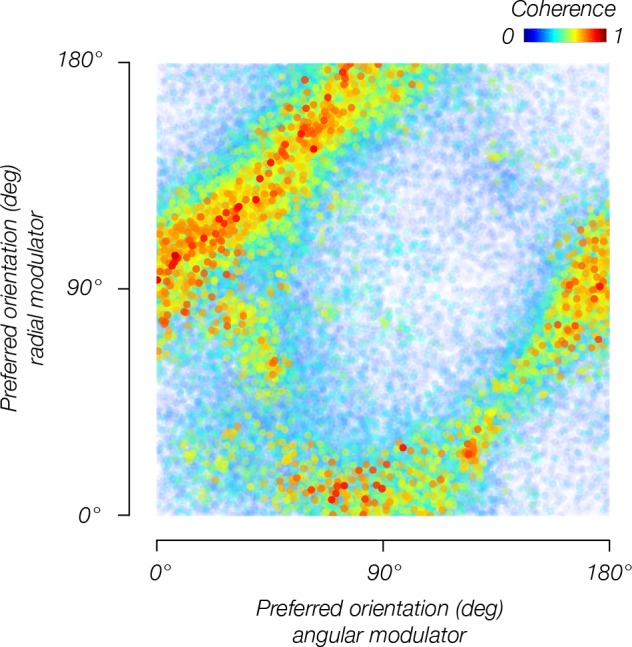
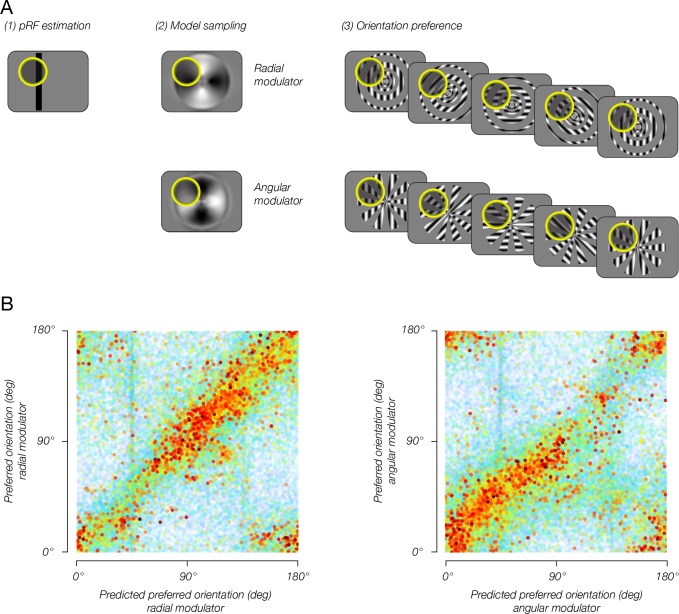
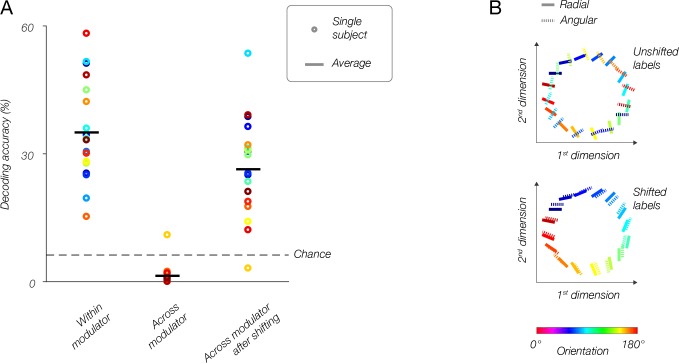
Neural selectivity to orientation is one of the simplest and most thoroughly-studied cortical sensory features. Here, we show that a large body of research that purported to measure orientation tuning may have in fact been inadvertently measuring sensitivity to second-order changes in luminance, a phenomenon we term 'vignetting'. Using a computational model of neural responses in primary visual cortex (V1), we demonstrate the impact of vignetting on simulated V1 responses. We then used the model to generate a set of predictions, which we confirmed with functional MRI experiments in human observers. Our results demonstrate that stimulus vignetting can wholly determine the orientation selectivity of responses in visual cortex measured at a macroscopic scale, and suggest a reinterpretation of a well-established literature on orientation processing in visual cortex.
Keywords: fMRI; human; multivariate classification; neuroscience; orientation; primary visual cortex.
Conflict of interest statement
ZR, DH, EM No competing interests declared
Figures
Comment in
-
Framing orientation selectivity.Elife. 2018 Aug 14;7:e39762. doi: 10.7554/eLife.39762. Elife. 2018. PMID: 30106374 Free PMC article.
References
Publication types
MeSH terms
Grants and funding
LinkOut - more resources
Full Text Sources
Other Literature Sources
