


Constraints on neural redundancy
- PMID: 30109848
- PMCID: PMC6130976
- DOI: 10.7554/eLife.36774
Constraints on neural redundancy
Abstract
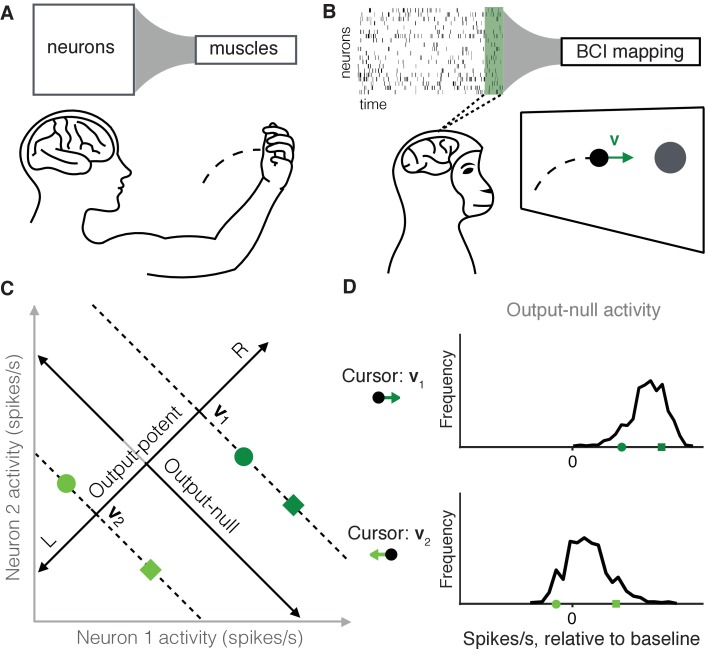
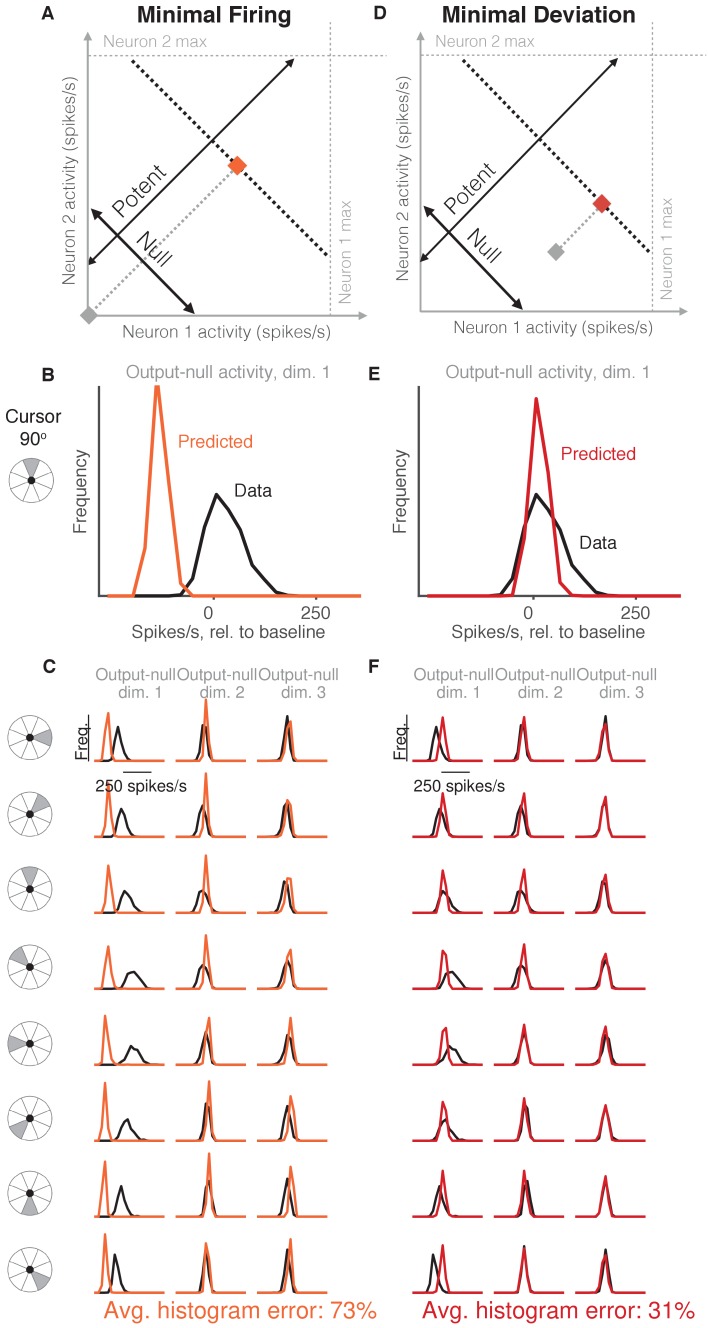
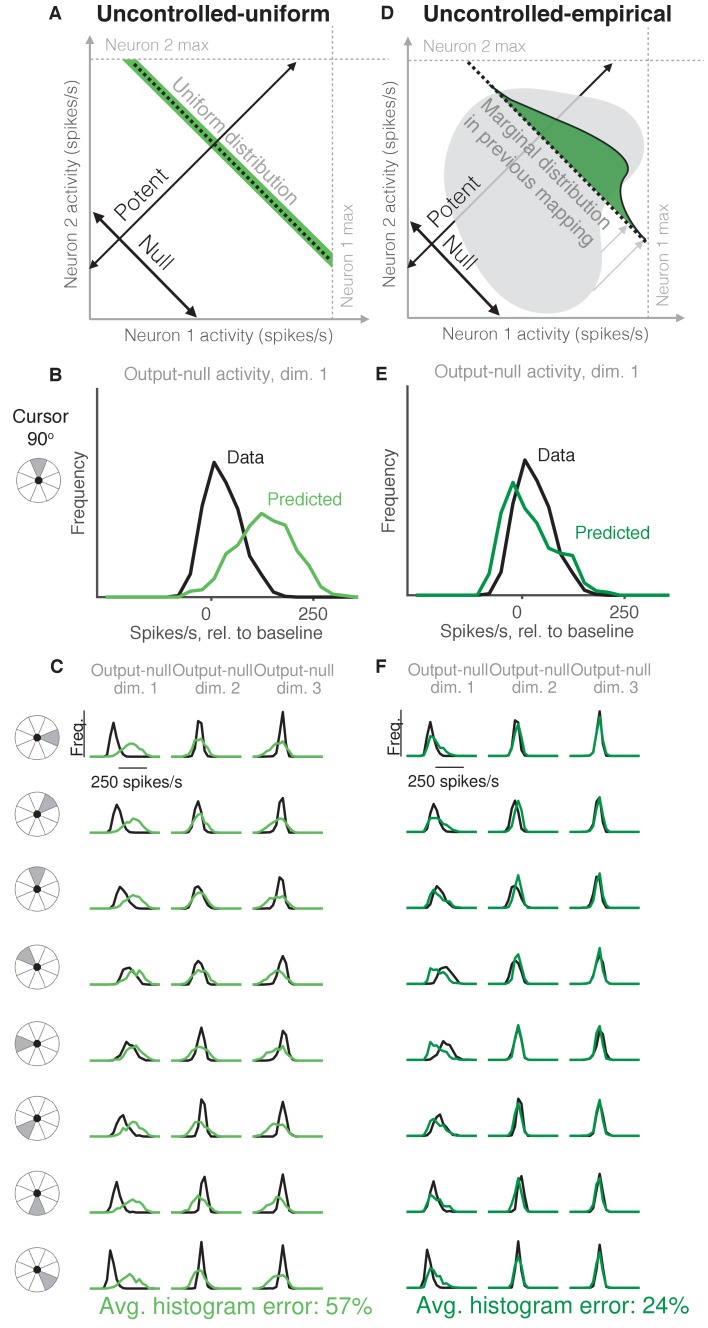
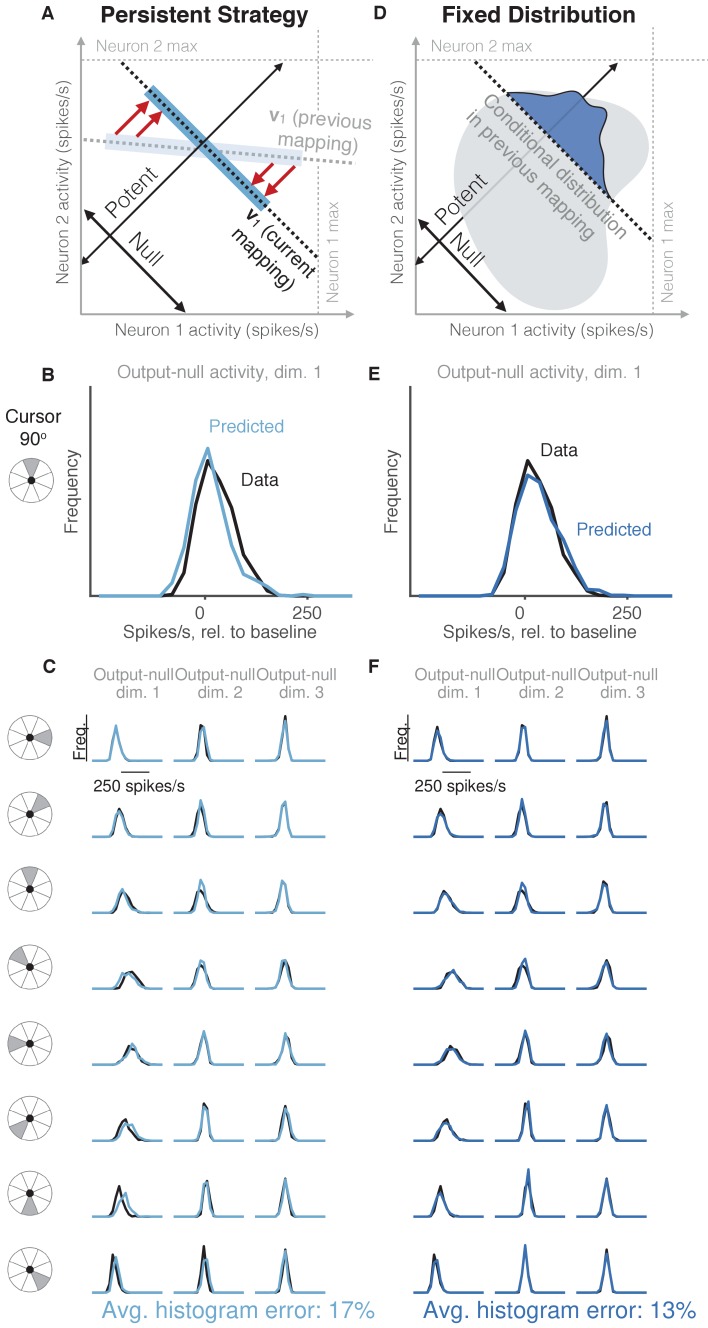
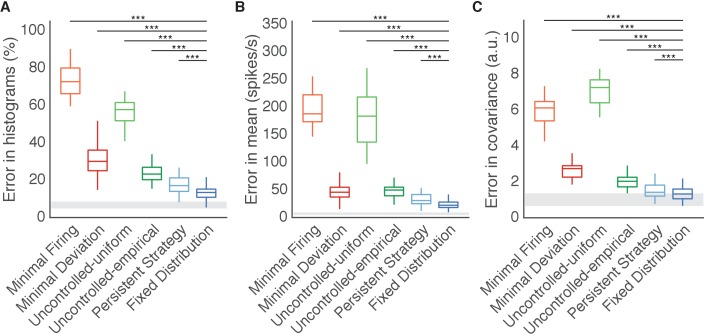
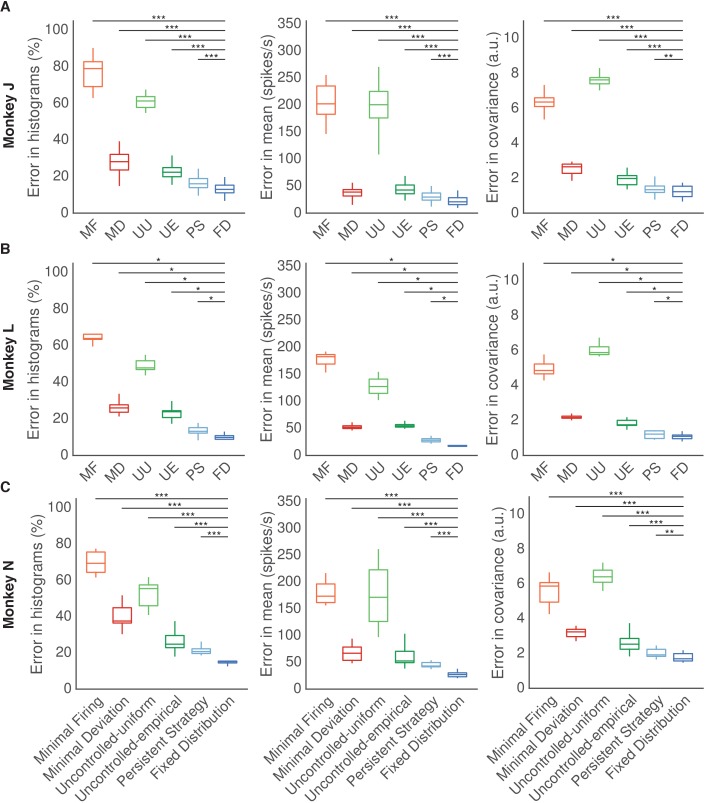
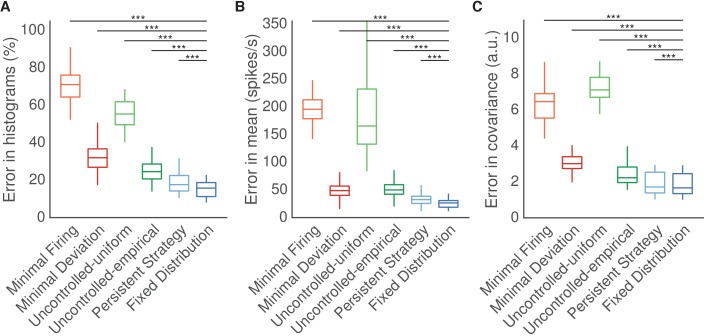
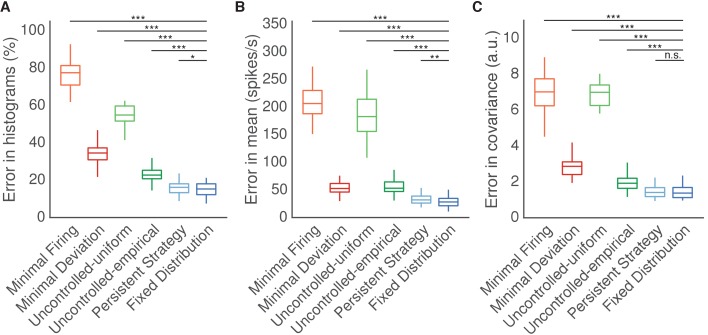
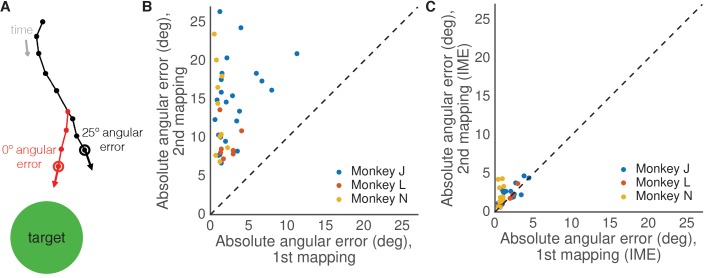
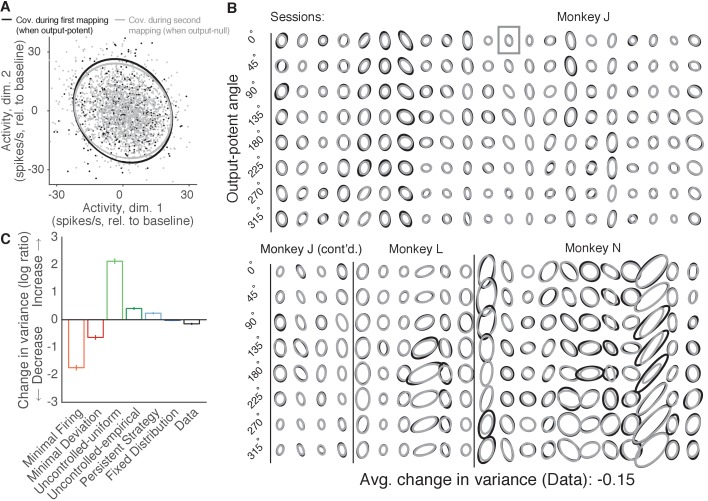
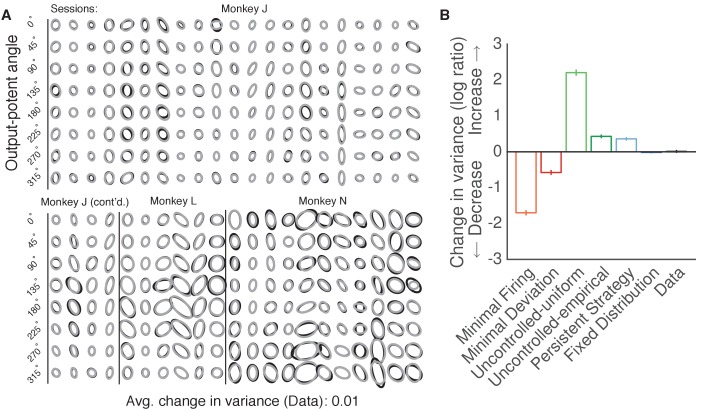
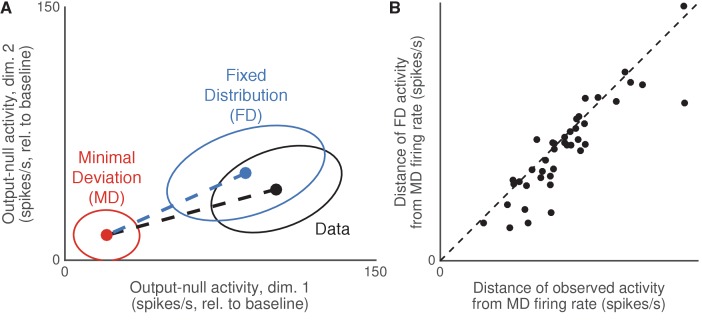
Millions of neurons drive the activity of hundreds of muscles, meaning many different neural population activity patterns could generate the same movement. Studies have suggested that these redundant (i.e. behaviorally equivalent) activity patterns may be beneficial for neural computation. However, it is unknown what constraints may limit the selection of different redundant activity patterns. We leveraged a brain-computer interface, allowing us to define precisely which neural activity patterns were redundant. Rhesus monkeys made cursor movements by modulating neural activity in primary motor cortex. We attempted to predict the observed distribution of redundant neural activity. Principles inspired by work on muscular redundancy did not accurately predict these distributions. Surprisingly, the distributions of redundant neural activity and task-relevant activity were coupled, which enabled accurate predictions of the distributions of redundant activity. This suggests limits on the extent to which redundancy may be exploited by the brain for computation.
Keywords: brain-computer interface; motor control; neural computation; neural redundancy; neuroscience; rhesus macaque.
© 2018, Hennig et al.
Conflict of interest statement
JH, MG, PL, PS, EO, KQ, SR, ET, AB, BY, SC No competing interests declared
Figures
References
-
- Barlow H. Information Processing in the Nervous System. New York: Springer Science & Business Media; 1969. Trigger features, adaptation and economy of impulses; pp. 209–230.
-
- Bernstein N. The Coordination and Regulation of Movements. New York: Pergamon; 1967. The problem of interrelation between coordination and localization; pp. 15–59.
Publication types
MeSH terms
Grants and funding
LinkOut - more resources
Full Text Sources
Other Literature Sources
