


Theory and practice of social norms interventions: eight common pitfalls
- PMID: 30119638
- PMCID: PMC6098623
- DOI: 10.1186/s12992-018-0398-x
Theory and practice of social norms interventions: eight common pitfalls
Abstract
Background: Recently, Global Health practitioners, scholars, and donors have expressed increased interest in "changing social norms" as a strategy to promote health and well-being in low and mid-income countries (LMIC). Despite this burgeoning interest, the ability of practitioners to use social norm theory to inform health interventions varies widely.
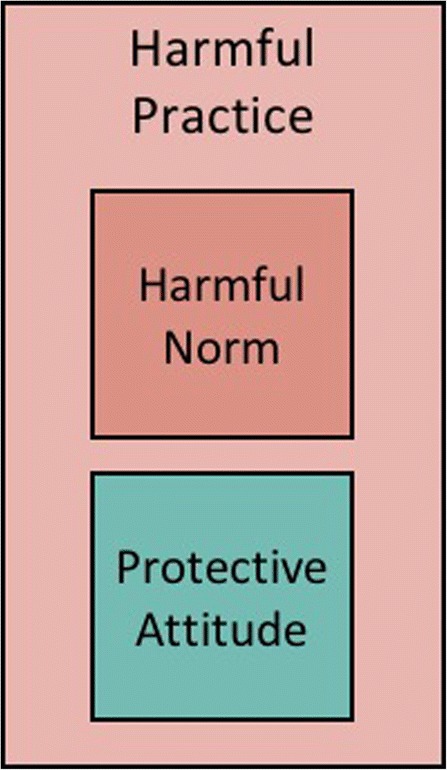
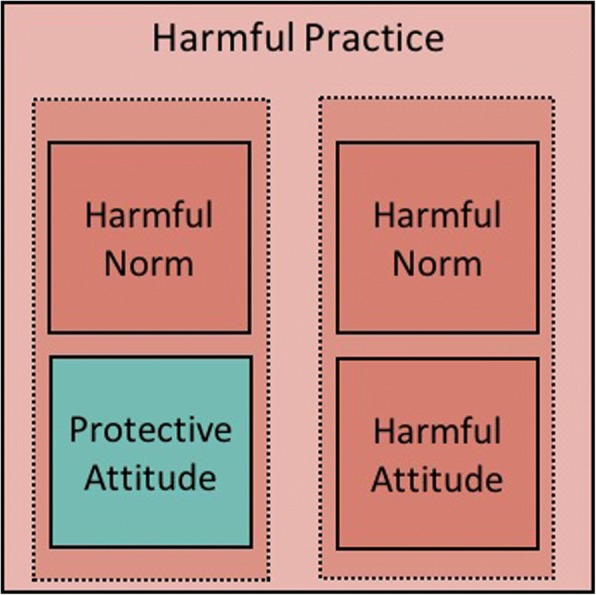
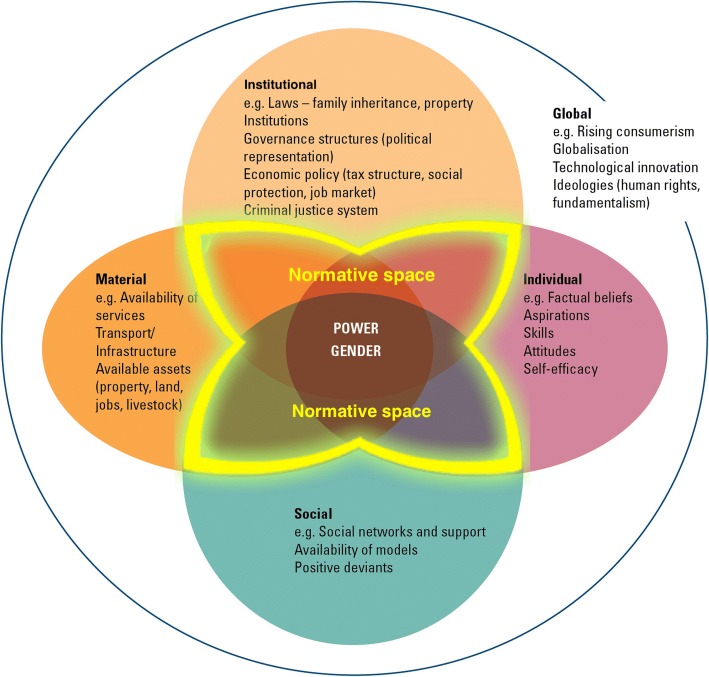
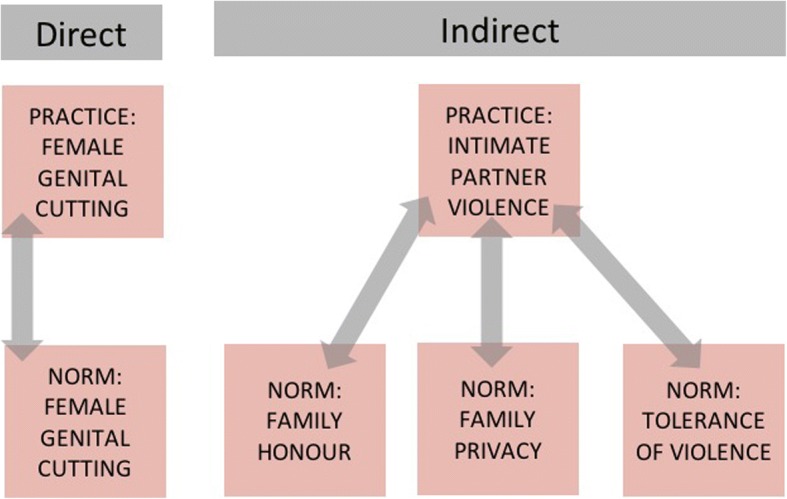
Main body: Here, we identify eight pitfalls that practitioners must avoid as they plan to integrate a social norms perspective in their interventions, as well as eight learnings. These learnings are: 1) Social norms and attitudes are different; 2) Social norms and attitudes can coincide; 3) Protective norms can offer important resources for achieving effective social improvement in people's health-related practices; 4) Harmful practices are sustained by a matrix of factors that need to be understood in their interactions; 5) The prevalence of a norm is not necessarily a sign of its strength; 6) Social norms can exert both direct and indirect influence; 7) Publicising the prevalence of a harmful practice can make things worse; 8) People-led social norm change is both the right and the smart thing to do.
Conclusions: As the understanding of how norms evolve in LMIC advances, practitioners will develop greater understanding of what works to help people lead change in harmful norms within their contexts. Awareness of these pitfalls has helped several of them increase the effectiveness of their interventions addressing social norms in the field. We are confident that others will benefit from these reflections as well.
Keywords: Health promotion; Intervention; NGO; Social norms.
Conflict of interest statement
Ethics approval and consent to participate
Not applicable.
Consent for publication
Not applicable.
Competing interests
The authors declare that they have no competing interests.
Publisher’s Note
Springer Nature remains neutral with regard to jurisdictional claims in published maps and institutional affiliations.
Figures

References
-
- Bronfenbrenner U. The ecology of human development. Cambridge: Harvard University Press; 1979.
-
- Bronfenbrenner U. Ecological systems theory. In R. Vasta (Ed.), Six theories of child development: Revised formulations and current issues (pp. 187–249). London: Jessica Kingsley Publishers; 1992.
-
- Smaling EMA. An agro-ecological framework for integrated nutrient management, with special reference to Kenya. 1993, Wageningen University.
-
- DuBois DL, et al. Early adolescent self-esteem: a developmental–ecological framework and assessment strategy. J Res Adolesc. 1996;6:543–579.
-
- Underwood A, Peterson C. Towards an ecological framework for investigating pollution. Mar Ecol Prog Ser. 1988;46:227–234. doi: 10.3354/meps046227. - DOI
Publication types
MeSH terms
LinkOut - more resources
Full Text Sources
Other Literature Sources
