


Effects of aerobic training on physical activity in people with stroke: protocol for a randomized controlled trial
- PMID: 30119697
- PMCID: PMC6098648
- DOI: 10.1186/s13063-018-2823-0
Effects of aerobic training on physical activity in people with stroke: protocol for a randomized controlled trial
Abstract
Background: Post-stroke physical inactivity is explained by several factors related to the stroke, which have been suggested as the causes and consequences of functional declines and health problems. Therefore, it is important to increase physical activity levels and reduce the time spent in low-energy expenditure activities after a stroke. Since the maintenance of cardiorespiratory fitness is a significant predictor of physical activity levels post-stroke, it may be important to investigate whether aerobic training is effective in increasing physical activity levels and reducing the time spent in low-energy expenditure activities in this population. The efficacy of aerobic training on these variables is not well known. The primary objective of this trial will be to investigate the effects of aerobic treadmill training on physical activity levels and on time spent in low-energy expenditure activities in people with stroke. The secondary aim will be to evaluate the effects of the training on cardiorespiratory fitness, endurance, depression, mobility, quality of life, and participation.
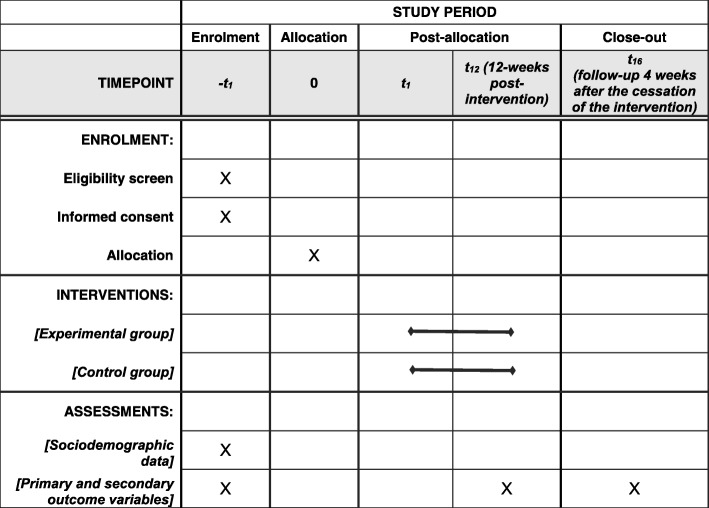
Methods/design: A randomized controlled trial, with blinded assessments, will be performed in a community-based setting. Altogether, 22 adults with a diagnosis of stroke (>6 months) who are sedentary or insufficiently active will be included. Participants will be randomly assigned to either: (1) aerobic treadmill training (experimental group, at 60-80% of their heart rate reserve) or (2) walking outside (control group, below 40% of heart rate reserve). Both groups will attend 40-min training sessions, three times per week over 12 weeks, in groups of two to four participants, with a trained physiotherapist. Primary outcomes are physical activity levels and time spent in low-energy expenditure activities (Multi-sensor SenseWear Mini® and Human Activity Profile). Secondary outcomes are cardiorespiratory fitness (peak oxygen uptake VO2peak and ventilatory threshold), endurance, depression, mobility, quality of life, and participation. The effects of the training will be analyzed from the collected data using intention to treat. Between-group differences will be measured by two-way repeated measures ANOVA, considering the baseline, post-training, and 4-week follow-up.
Discussion: The results of this trial will likely provide valuable new information on the effects of aerobic treadmill training on physical activity levels and on time spent in low-energy expenditure activities of individuals with stroke, through changes in cardiorespiratory fitness.
Trial registration: ClinicalTrials.gov, NCT02798237 . Registered on 13 June 2016.
Keywords: Aerobic exercise; Health; Physical activity; Sedentary lifestyle; Stroke; Walking.
Conflict of interest statement
Ethics approval and consent to participate
All patients will provide written consent, prior to participation. This study has been approved (51454115.6.0000.5149) by the ethical review board of the Universidade Federal de Minas Gerais, Brazil.
Consent for publication
Not applicable.
Competing interests
The authors declare that they have no competing interests.
Publisher’s Note
Springer Nature remains neutral with regard to jurisdictional claims in published maps and institutional affiliations.
Figures

References
-
- Billinger SA, Arena R, Bernhardt J, Eng JJ, Franklin BA, Johnson CM, et al. Physical activity and exercise recommendations for stroke survivors: a statement for healthcare professionals from the American Heart Association/American Stroke Association. Stroke. 2014;45:2532–2553. doi: 10.1161/STR.0000000000000022. - DOI - PubMed
Publication types
MeSH terms
Associated data
Grants and funding
LinkOut - more resources
Full Text Sources
Other Literature Sources
Medical
