


Astragaloside IV improves renal function and fibrosis via inhibition of miR-21-induced podocyte dedifferentiation and mesangial cell activation in diabetic mice
- PMID: 30122901
- PMCID: PMC6084069
- DOI: 10.2147/DDDT.S170840
Astragaloside IV improves renal function and fibrosis via inhibition of miR-21-induced podocyte dedifferentiation and mesangial cell activation in diabetic mice
Abstract
Background: Podocyte dedifferentiation and mesangial cell (MC) activation play an important role in many glomerular diseases associated with fibrosis. MicroRNA-21 (miR-21) is closely linked to renal fibrosis, but it is unknown whether and how miR-21 promotes podocyte dedifferentiation and MC activation and whether astragaloside IV (AS-IV) improves renal function and fibrosis through the regulation of miR-21.
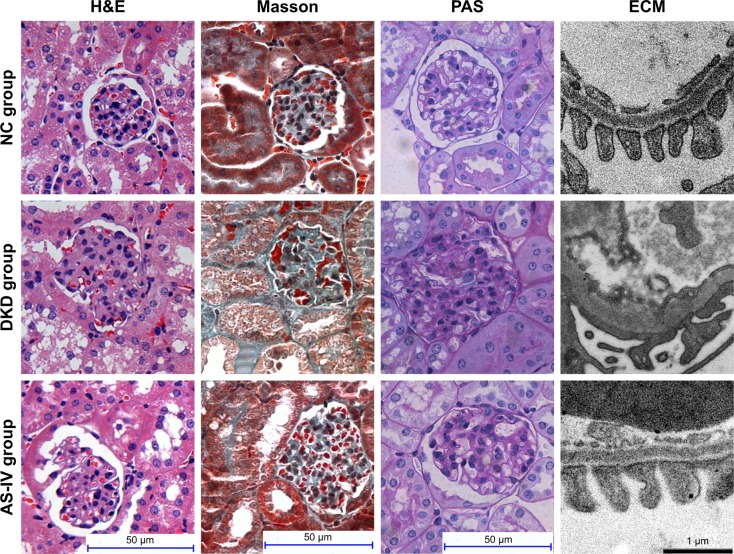
Materials and methods: Cultured MCs, primary mouse podocytes, and diabetic KK-Ay mice were treated with AS-IV. Cell transfection, Western blot, real-time PCR, immunofluorescence assay, immunohistochemical assay, and electronic microscopy were used to detect the markers of podocyte dedifferentiation and MC activation and to observe the renal morphology.
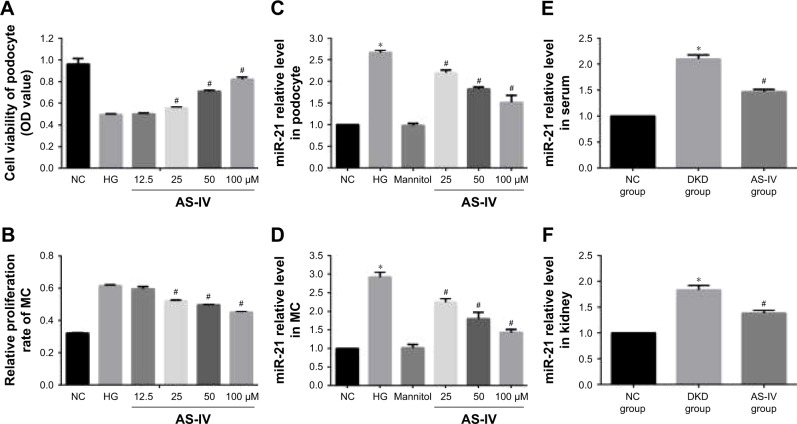
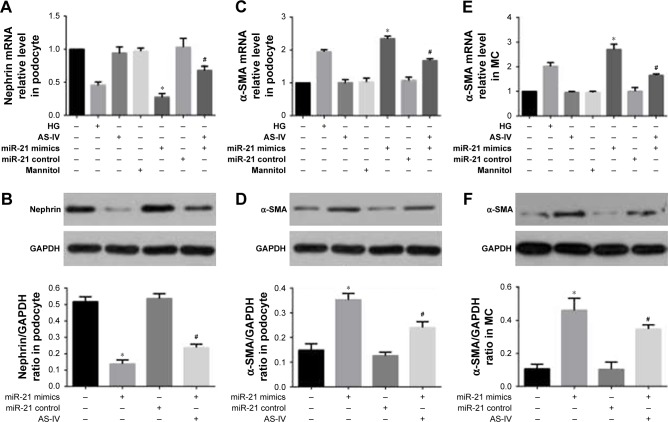
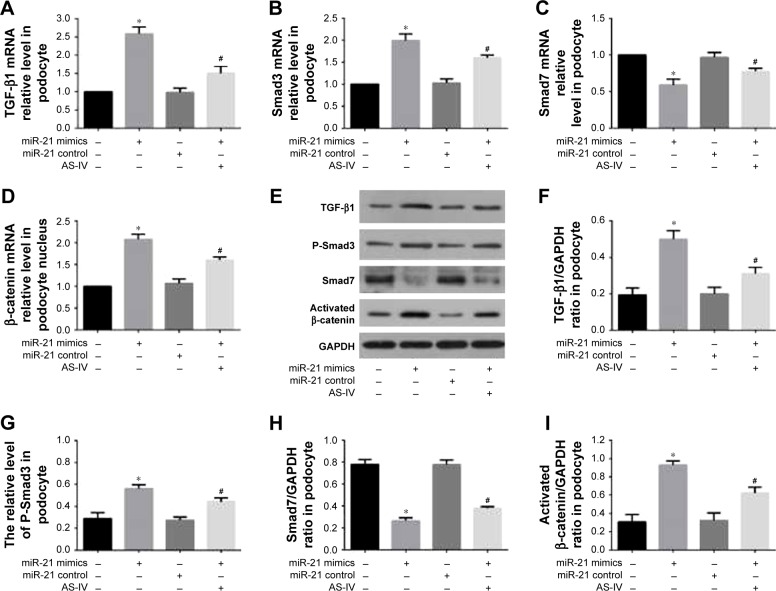
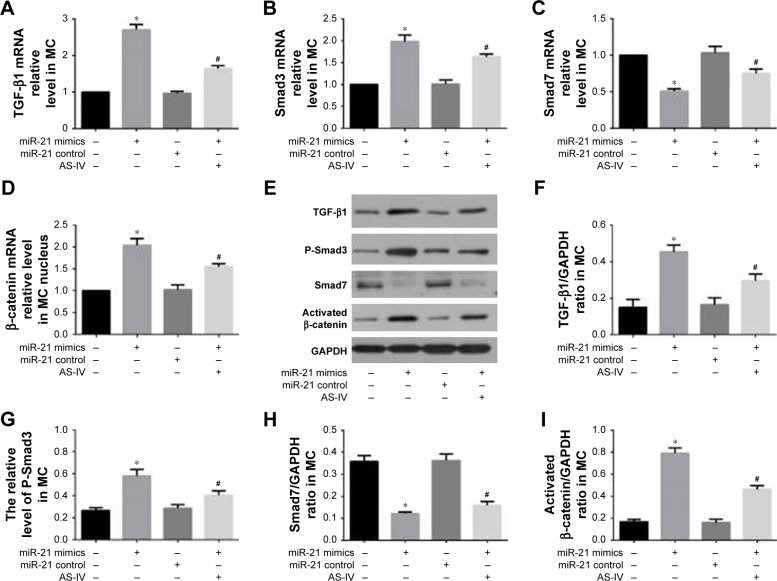
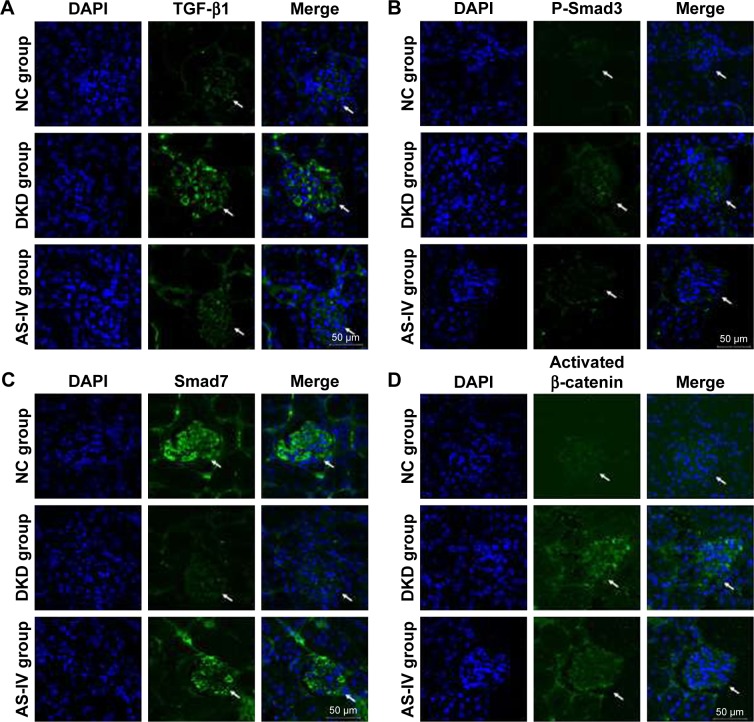
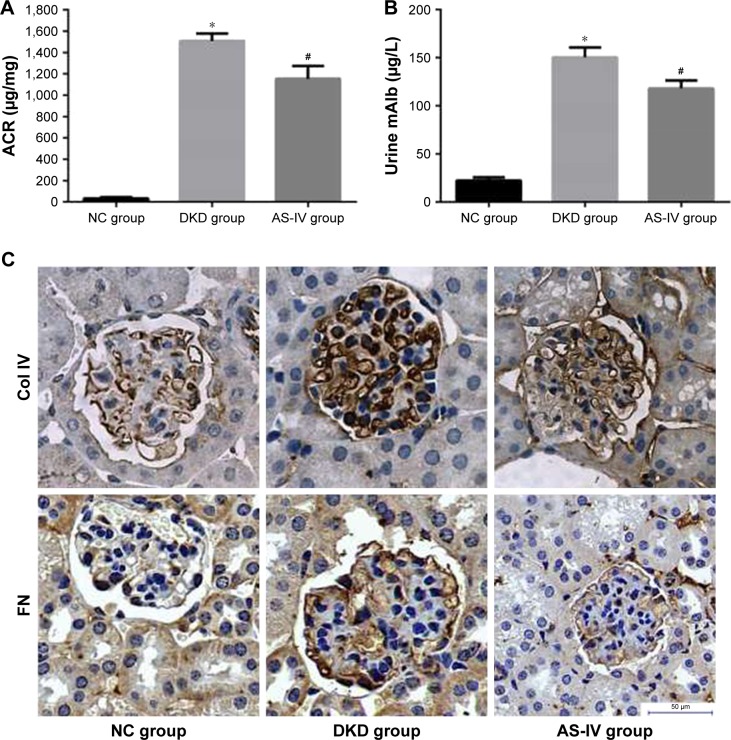
Results: Our data showed that miR-21 expression was increased and that AS-IV decreased miR-21 levels in cells, serum, and kidney. Overexpressed miR-21 promoted podocyte dedifferentiation and MC activation, and treatment with AS-IV reversed this effect. Furthermore, the overexpression of miR-21 activated the β-catenin pathway and the transforming growth factor (TGF)-β1/Smads pathway in the process of podocyte dedifferentiation and MC activation, which was abolished by AS-IV treatment. In addition, both the Wnt/β-catenin pathway inhibitor XAV-939 and the TGF-β1/Smads pathway inhibitor SB431542 reversed the effect of AS-IV. Furthermore, AS-IV improved renal function and fibrosis in diabetic KK-Ay mice.
Conclusion: Our results indicated that AS-IV ameliorates renal function and renal fibrosis by inhibiting miR-21 overexpression-induced podocyte dedifferentiation and MC activation in diabetic kidney disease. These findings pave way for future studies investigating AS-IV as a potential therapeutic agent in the management of glomerular diseases.
Keywords: TGF-β1/Smads pathway; astragaloside IV; mesangial cell activation; miR-21; podocyte dedifferentiation; renal fibrosis; β-catenin pathway.
Conflict of interest statement
Disclosure The authors report no conflicts of interest in this work.
Figures

References
-
- Durvasula RV, Shankland SJ. Podocyte injury and targeting therapy: an update. Curr Opin Nephrol Hypertens. 2006;15(1):1–7. - PubMed
-
- Gruden G, Perin PC, Camussi G. Insight on the pathogenesis of diabetic nephropathy from the study of podocyte and mesangial cell biology. Curr Diabetes Rev. 2005;1(1):27–40. - PubMed
MeSH terms
Substances
LinkOut - more resources
Full Text Sources
Other Literature Sources
Medical
Research Materials
