


A zinc-finger fusion protein refines Gal4-defined neural circuits
- PMID: 30126464
- PMCID: PMC6102859
- DOI: 10.1186/s13041-018-0390-7
A zinc-finger fusion protein refines Gal4-defined neural circuits
Abstract
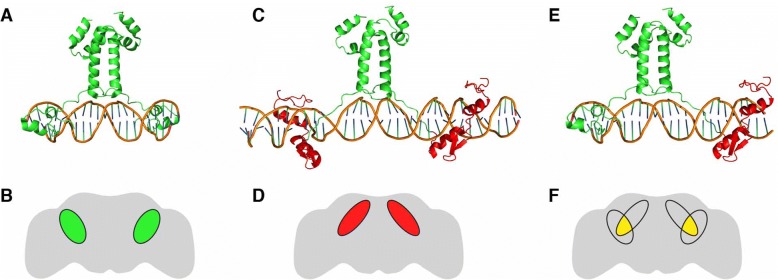
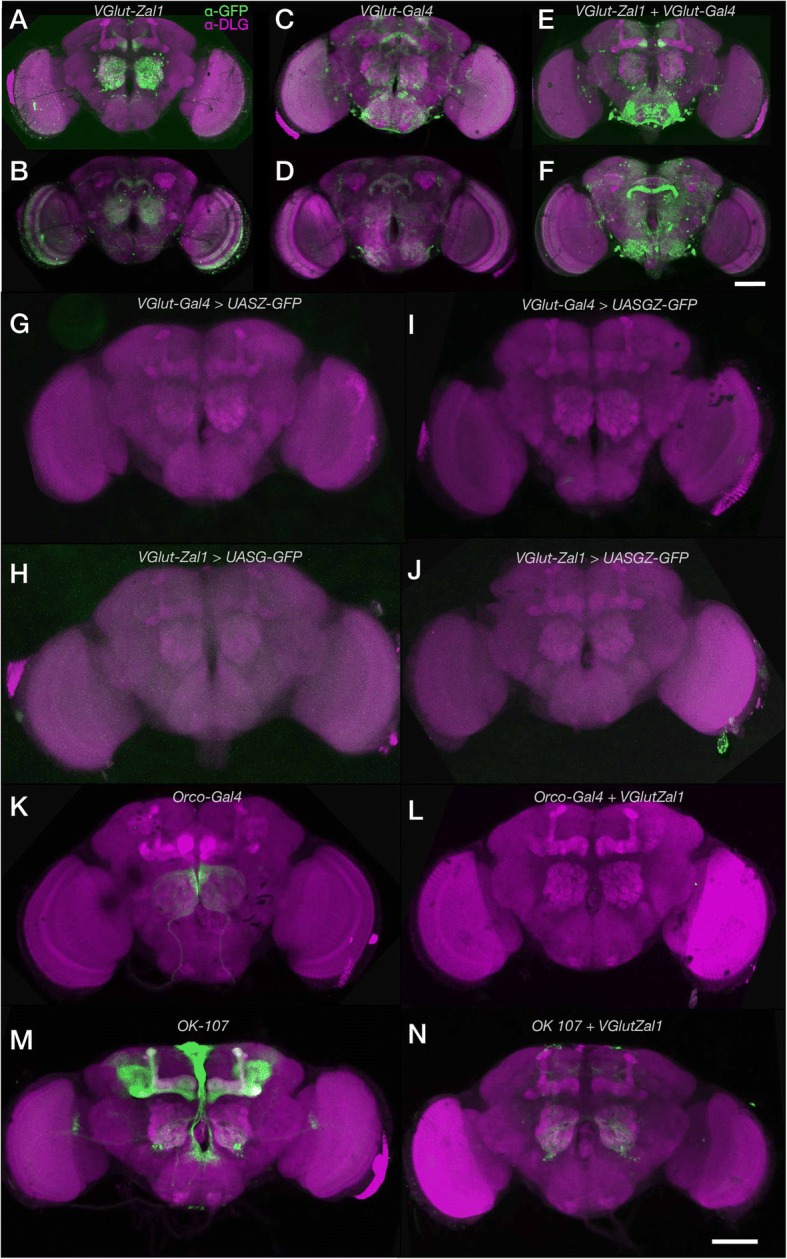
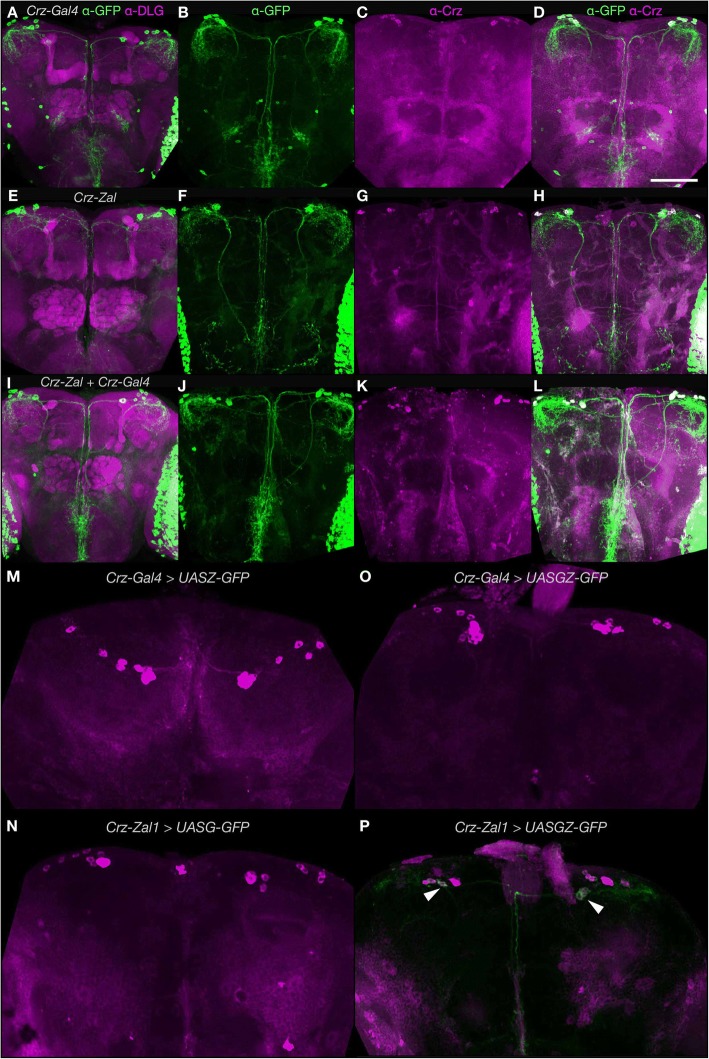
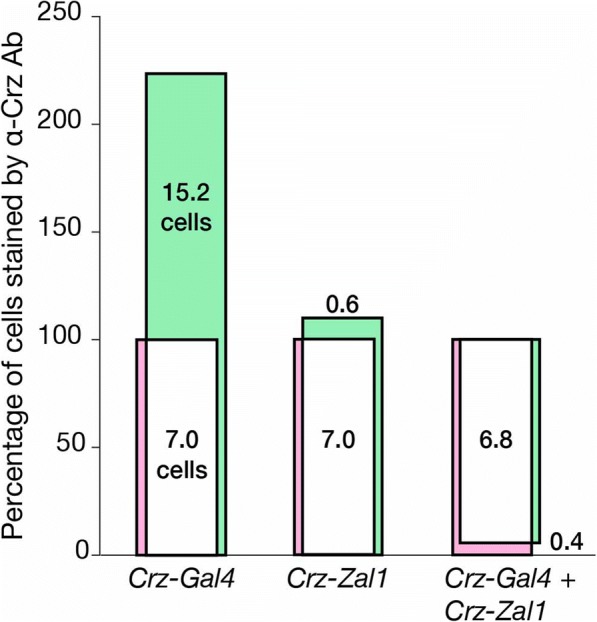
The analysis of behavior requires that the underlying neuronal circuits are identified and genetically isolated. In several major model species-most notably Drosophila-neurogeneticists identify and isolate neural circuits with a binary heterologous expression-control system: Gal4-UASG. One limitation of Gal4-UASG is that expression patterns are often too broad to map circuits precisely. To help refine the range of Gal4 lines, we developed an intersectional genetic AND operator. Interoperable with Gal4, the new system's key component is a fusion protein in which the DNA-binding domain of Gal4 has been replaced with a zinc finger domain with a different DNA-binding specificity. In combination with its cognate binding site (UASZ) the zinc-finger-replaced Gal4 ('Zal1') was functional as a standalone transcription factor. Zal1 transgenes also refined Gal4 expression ranges when combined with UASGZ, a hybrid upstream activation sequence. In this way, combining Gal4 and Zal1 drivers captured restricted cell sets compared with single drivers and improved genetic fidelity. This intersectional genetic AND operation presumably derives from the action of a heterodimeric transcription factor: Gal4-Zal1. Configurations of Zal1-UASZ and Zal1-Gal4-UASGZ are versatile tools for defining, refining, and manipulating targeted neural expression patterns with precision.
Conflict of interest statement
Ethics approval and consent to participate
No ethics approval was required or sought.
Consent for publication
Not applicable.
Competing interests
The authors declare that they have no competing interests.
Publisher’s Note
Springer Nature remains neutral with regard to jurisdictional claims in published maps and institutional affiliations.
Figures
References
-
- Altman D, et al. Statistics with confidence: confidence interval and statistical guidelines. Bristol: BMJ Books; 2000.
-
- Brand AH, Perrimon N. Targeted gene expression as a means of altering cell fates and generating dominant phenotypes. Development. 1993;118(2):401–415. - PubMed
Publication types
MeSH terms
Substances
Grants and funding
LinkOut - more resources
Full Text Sources
Other Literature Sources
Molecular Biology Databases
