


Epidemiology of allergic rhinitis and associated risk factors in Asia
- PMID: 30128063
- PMCID: PMC6091170
- DOI: 10.1186/s40413-018-0198-z
Epidemiology of allergic rhinitis and associated risk factors in Asia
Abstract
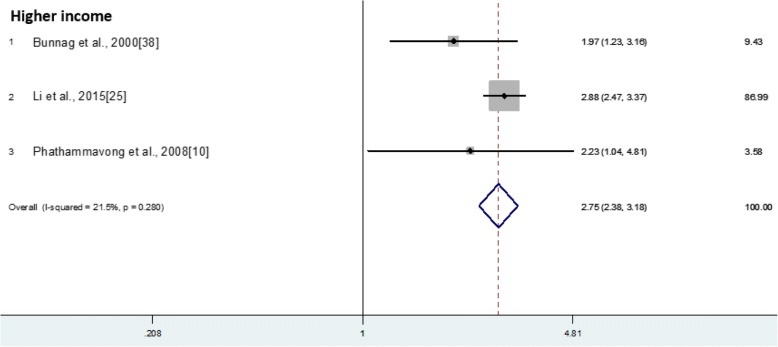
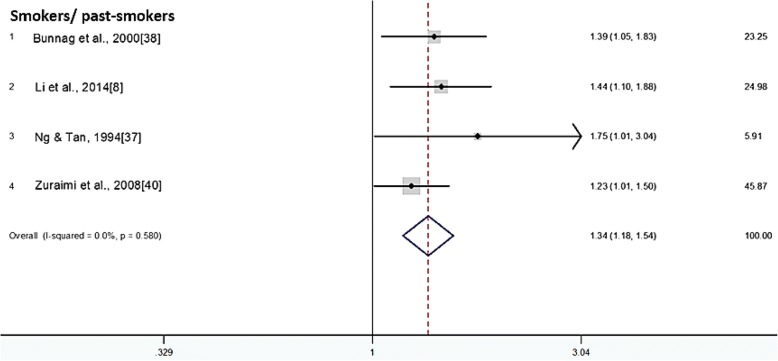
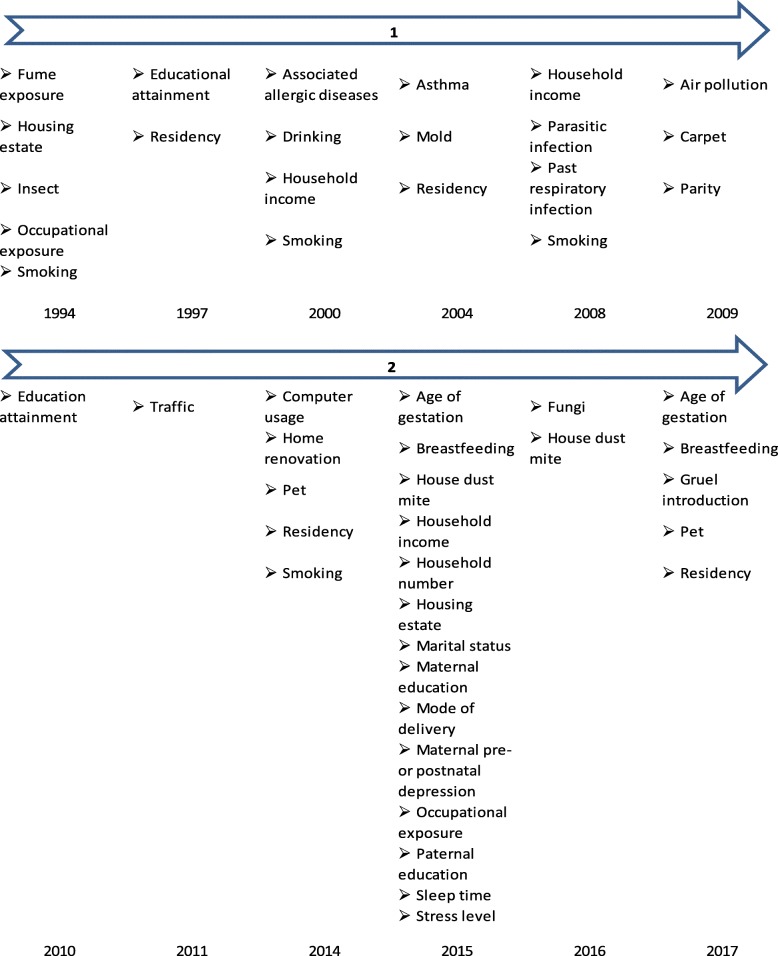
This review article aims to present the epidemiology and associated risk factors of allergic rhinitis (AR) in Asia. AR-related literature published on Asia was systematically reviewed and the associated risk factors were investigated. The prevalence of AR in Asia varied considerably depending on the geographical location, study design and population involved. Several risk factors were observed to have strong association with disease presentation across multiple studies. Among these, family income, family size, daily personal computer usage time, personal and parental education attainment, and stress level have shown some level of biological gradient influence when multiple risk levels were analyzed. This suggests that AR manifestation and presentation possibly might be strongly affected by various personal and family factors. These findings are beneficial as they may provide insights into modifiable factors that may influence AR presentation. In addition, these results indicate that strategies to reduce personal and family-related risk factors have to be developed in order to alleviate the odds of AR expression.
Keywords: Allergic rhinitis; Asia; Risk factor; Systematic review.
Conflict of interest statement
Not applicable. Not applicable. The authors declare that they have no competing interests. Springer Nature remains neutral with regard to jurisdictional claims in published maps and institutional affiliations.
Figures
References
-
- Strachan D, Sibbald B, Weiland S, Aït-Khaled N, Anabwani G, Anderson HR, et al. Worldwide variations in prevalence of symptoms of allergic rhinoconjunctivitis in children: the international study of asthma and allergies in childhood (ISAAC) Pediatr Allergy Immunol. 1997;8:161–176. doi: 10.1111/j.1399-3038.1997.tb00156.x. - DOI - PubMed
-
- An S-Y. Analysis of various risk factors predisposing subjects to allergic rhinitis. Asian Pacific J Allergy Immunol. 2015;:143–52. doi:10.12932/AP0554.33.2.2015. - PubMed
-
- Bousquet J. Allergic rhinitis and its impact on asthma (ARIA) 2008. Allergy. 2008;63:1052–1055.
Publication types
LinkOut - more resources
Full Text Sources
Other Literature Sources
Medical
Research Materials
