


Adjunctive Treatments for the Prevention of Chemotherapy- and Radiotherapy-Induced Mucositis
- PMID: 30136590
- PMCID: PMC6247548
- DOI: 10.1177/1534735418794885
Adjunctive Treatments for the Prevention of Chemotherapy- and Radiotherapy-Induced Mucositis
Abstract
Background: Chemoradiotherapy-associated mucositis can manifest as pain, inflammation, dysphagia, diarrhea, weight loss, rectal bleeding, and infection. Mucositis is a major dose-limiting side effect of chemotherapy, affecting nutritional intake and oral and intestinal function. Despite several interventions being available, there is a need for safe and effective preventative and treatment options for treatment-induced mucositis. The goals of this review are to discuss interventions based on foods and natural products and present the research to date.
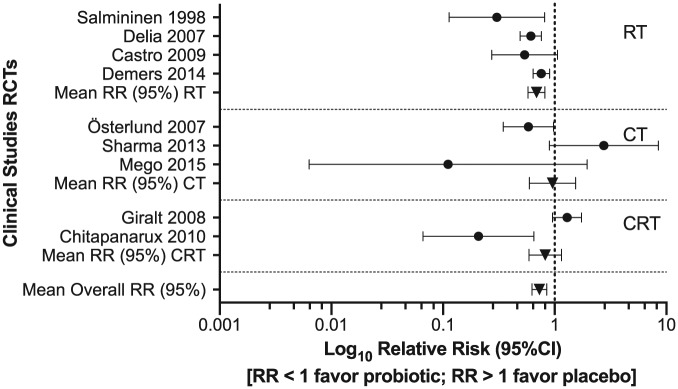
Methods: A narrative literature review identified 60 clinical studies examining various nutritional compounds and 20 examining probiotics. 9 studies on probiotics for the prevention of diarrhea were also assessed on methodological quality and limitations identified.
Results: Several compounds have been posited as useful adjuvants for cancer treatment-related mucositis. Probiotics demonstrate efficacy for the prevention and treatment of chemoradiotherapy-induced gastrointestinal toxicity without significant side effects. Glutamine and activated charcoal were reported to reduce chemotherapy-induced diarrhea but not radiation-induced intestinal mucositis. Honey has been reported to decrease treatment interruptions, weight loss, and delays the onset of oral mucositis. Zinc, glutamine, and topical vitamin E were demonstrated efficacy for oral mucositis.
Conclusion: There is plausible clinical evidence for the administration of several adjunctive treatments for the prevention and treatment of mucositis. Probiotics were reported to reduce the burden of intestinal mucositis and treatment-induced diarrhea. Activated charcoal and glutamine are beneficial for chemotherapy-induced diarrhea, whereas the administration of honey, zinc, and glutamine reduce the risk of developing oral mucositis during chemotherapy or radiotherapy.
Keywords: adjunctive compounds; chemotherapy; diarrhea; mucositis; probiotics; radiotherapy.
Conflict of interest statement
Figures
References
-
- Raber-Durlacher JE, Weijl NI, Saris MA, de Koning B, Zwinderman AH, Osanto S. Oral mucositis in patients treated with chemotherapy for solid tumors: a retrospective analysis of 150 cases. Support Care Cancer. 2000;8:366-371. - PubMed
-
- Epstein JB, Schubert MM. Oral mucositis in myelosuppressive cancer therapy. Oral Surg Oral Med Oral Pathol Oral Radiol Endod. 1999;88:273-276. - PubMed
-
- Andreyev HJ. Gastrointestinal problems after pelvic radiotherapy: the past, the present and the future. Clin Oncol (R Coll Radiol). 2007;19:790-799. - PubMed
-
- Sonis ST, Elting LS, Keefe D, et al. Perspectives on cancer therapy-induced mucosal injury: pathogenesis, measurement, epidemiology, and consequences for patients. Cancer. 2004;100(9 suppl):1995-2025. - PubMed
MeSH terms
LinkOut - more resources
Full Text Sources
Other Literature Sources
Medical
