


Identification of gut microbiome signatures associated with longevity provides a promising modulation target for healthy aging
- PMID: 30142010
- PMCID: PMC6546316
- DOI: 10.1080/19490976.2018.1494102
Identification of gut microbiome signatures associated with longevity provides a promising modulation target for healthy aging
Abstract
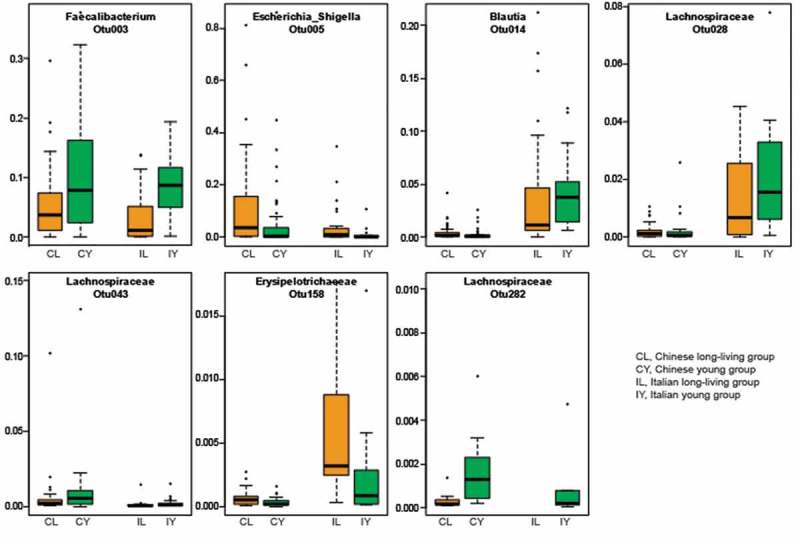
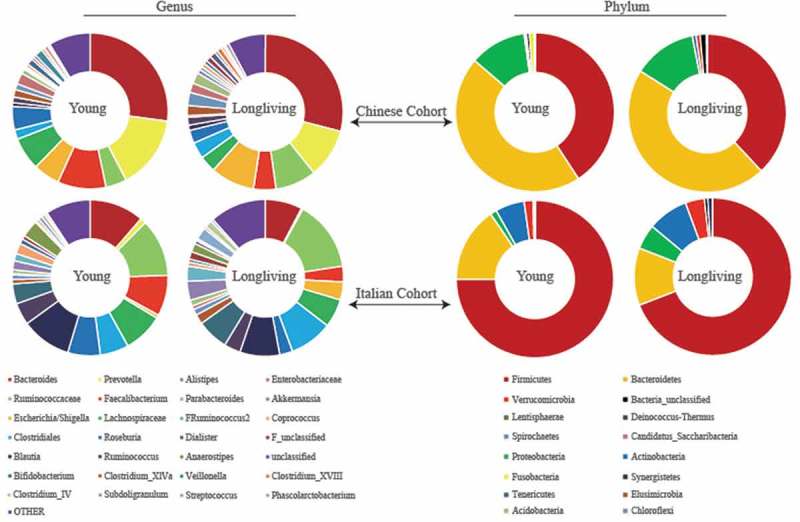
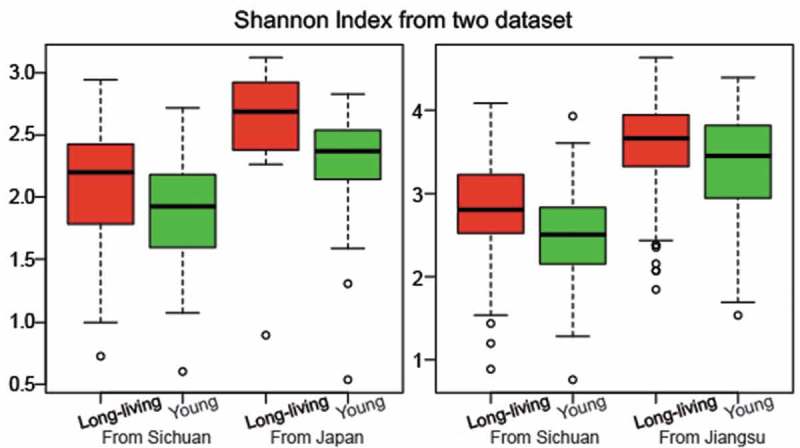
The world population is aging, which poses a significant burden to the economy and health care system. As people age, so do their gut microbiomes. Age-related changes in gut microbiome have been reported, including decreased microbial diversity and increased Proteobacteria. Recently, we characterized the gut microbiome of a group of long-living (≥ 90 years old) Chinese people. Interestingly, the diversity of their gut microbiome was greater than that of a young adult control group. We also identified several potentially beneficial bacteria enriched in the long-living Chinese group. These results were validated using data from an independent Italian cohort that included a group of long-living individuals. Other recent studies have found similar results. Here, we provide a summary of these discoveries and discuss their implications in healthy aging.
Keywords: beneficial bacteria; diversity; gut microbiota; healthy aging.
Figures
References
-
- He W, Goodkind D, Kowal P An aging world: 2015. Washington (DC): United States Census Bureau; 2016.
-
- Harper S. Economic and social implications of aging societies. Science. 2014;346:587–591. - PubMed
-
- Lynch SV, Pedersen O. The human intestinal microbiome in health and disease. N Engl J Med. 2016;375:2369–2379. - PubMed
-
- Claesson MJ, Jeffery IB, Conde S, Power SE, O'Connor EM, Cusack S, Harris HM, Coakley M, Lakshminarayanan B, O’Sullivan O , et al. Gut microbiota composition correlates with diet and health in the elderly. Nature. 2012;488:178–184. - PubMed
Publication types
MeSH terms
LinkOut - more resources
Full Text Sources
Other Literature Sources
Medical
