


Selection scan reveals three new loci related to high altitude adaptation in Native Andeans
- PMID: 30143708
- PMCID: PMC6109162
- DOI: 10.1038/s41598-018-31100-6
Selection scan reveals three new loci related to high altitude adaptation in Native Andeans
Abstract
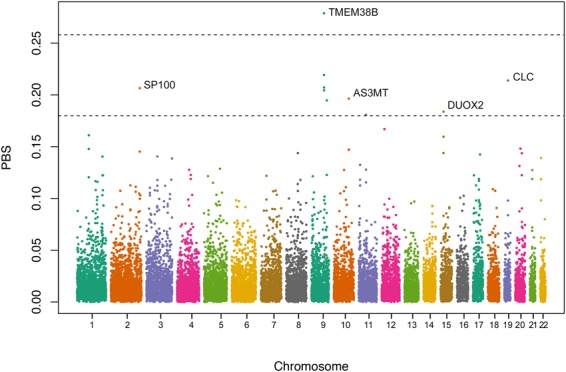
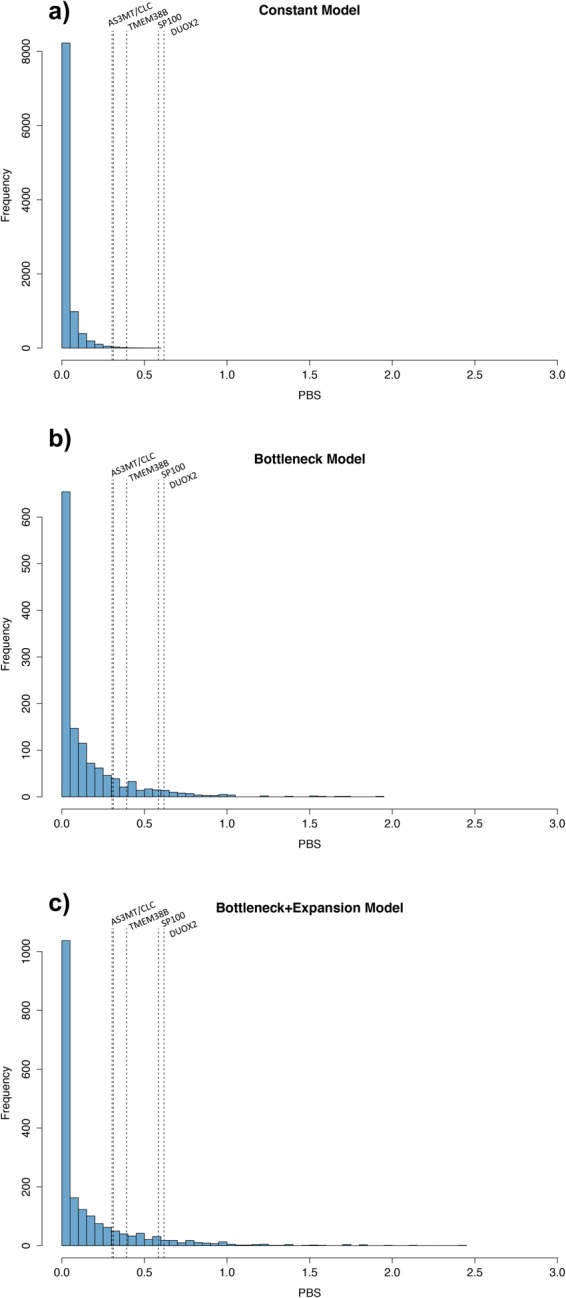
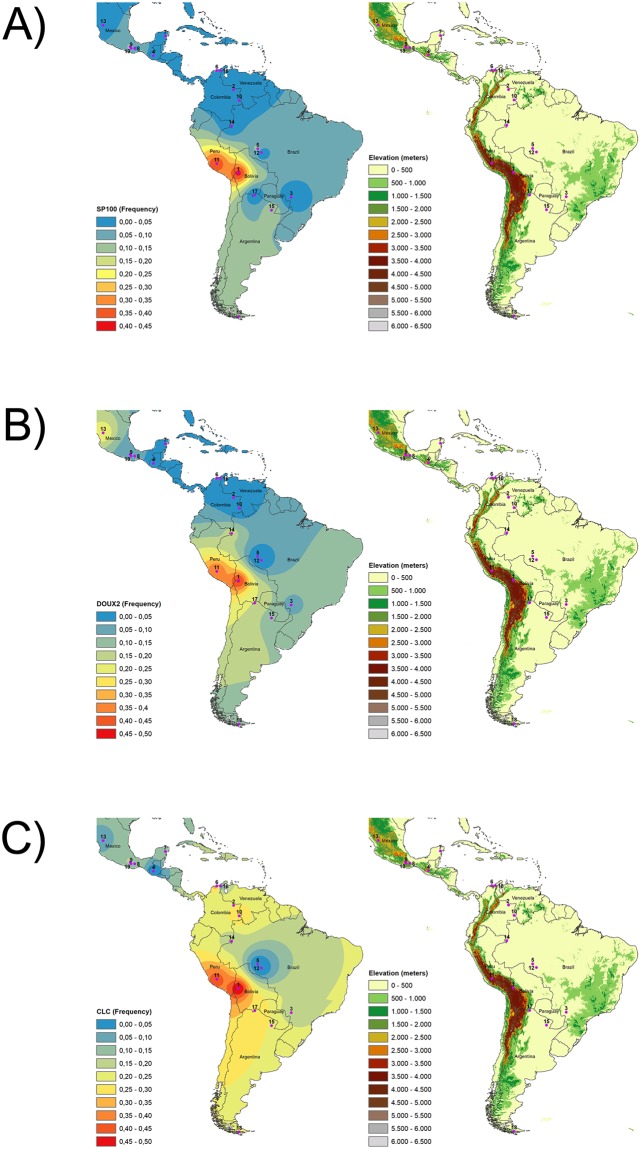
The Andean Altiplano has been occupied continuously since the late Pleistocene, ~12,000 years ago, which places the Andean natives as one of the most ancient populations living at high altitudes. In the present study, we analyzed genomic data from Native Americans living a long-time at Andean high altitude and at Amazonia and Mesoamerica lowland areas. We have identified three new candidate genes - SP100, DUOX2 and CLC - with evidence of positive selection for altitude adaptation in Andeans. These genes are involved in the TP53 pathway and are related to physiological routes important for high-altitude hypoxia response, such as those linked to increased angiogenesis, skeletal muscle adaptations, and immune functions at the fetus-maternal interface. Our results, combined with other studies, showed that Andeans have adapted to the Altiplano in different ways and using distinct molecular strategies as compared to those of other natives living at high altitudes.
Conflict of interest statement
The authors declare no competing interests.
Figures
References
-
- Espinoza-Navarro O, Díaz J, Rodríguez H, Moreno A. Effects of altitude on anthropometric and physiological patterns in Aymara and non-Aymara population between 18 and 65 years in the province of Parinacota Chile (3.700 masl) Int. J. Morphol. 2011;29:34–40. doi: 10.4067/S0717-95022011000100005. - DOI
Publication types
MeSH terms
LinkOut - more resources
Full Text Sources
Other Literature Sources
Research Materials
Miscellaneous
