


Self-management of peripherally inserted central catheters after patient discharge via the WeChat smartphone application: A systematic review and meta-analysis
- PMID: 30153253
- PMCID: PMC6112638
- DOI: 10.1371/journal.pone.0202326
Self-management of peripherally inserted central catheters after patient discharge via the WeChat smartphone application: A systematic review and meta-analysis
Abstract
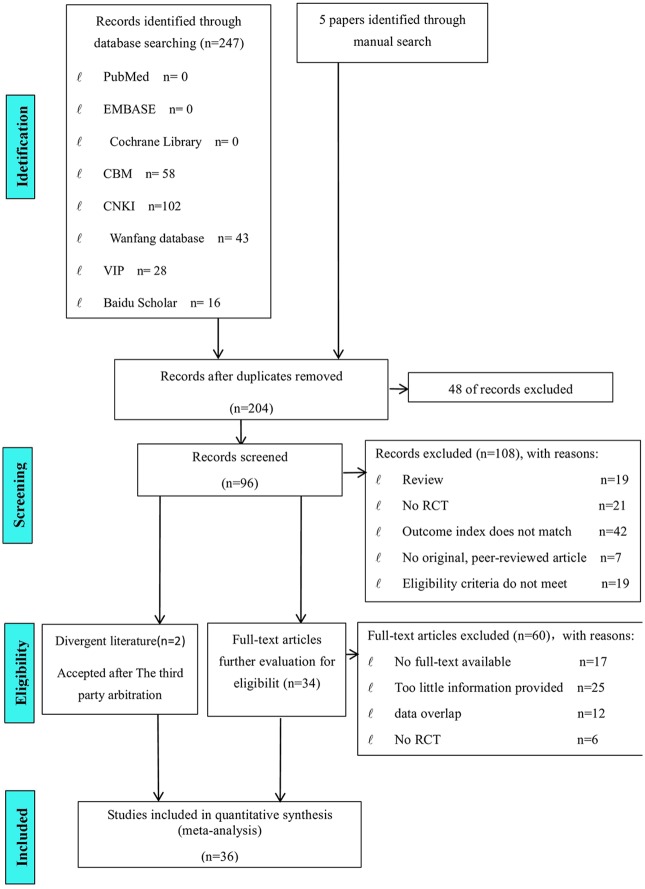
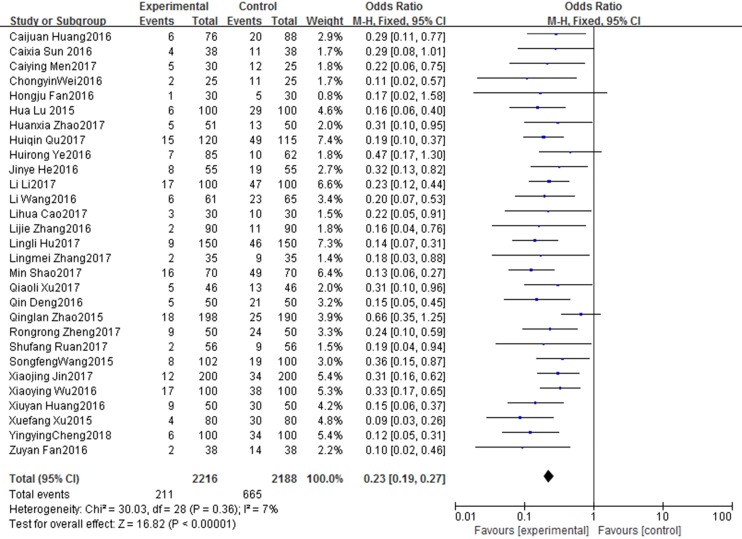
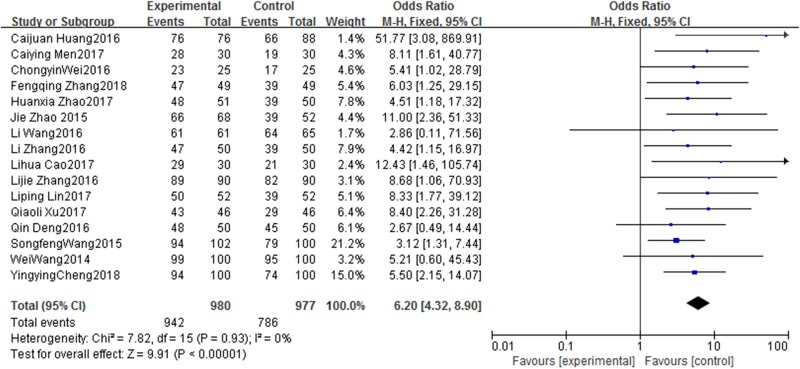
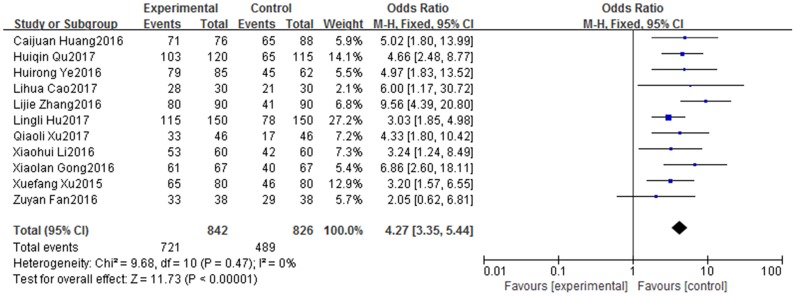
WeChat is a smartphone application that may help patients self-manage peripherally inserted central catheters (PICC), although additional data are needed regarding this topic. This systematic review and meta-analysis aimed to determine whether WeChat helped improve PICC-related complications, self-care ability, PICC maintenance dependency in that the behavior of a patient is in compliance with a doctor's order or a will, knowledge mastery, and satisfaction among patients with a PICC. The PubMed, Embase, Cochrane Library, China Biology Medicine, China national Knowledge Infrastructure, Wanfang, Wiper, and Baidu Scholar databases were searched to identify related reports that were published up to April 2018. This search revealed 36 reports that were published during 2014-2018, including 2,623 controls and 2,662 patients who used the WeChat application. Relative to the traditional follow-up group, the group that received WeChat follow-up had a lower risk of PICC-related complications (odds ratio [OR]: 0.23, 95% confidence interval [CI]: 0.19-0.27, P < 0.00001), better self-care ability (mean difference: 36.41, 95% CI: 34.68-38.14, P < 0.00001), higher PICC maintenance dependency (OR: 4.27, 95% CI: 3.35-5.44, P < 0.00001), and higher patient satisfaction (OR: 6.20, 95% CI: 4.32-8.90, P < 0.00001). Eight studies reported knowledge mastery, although the different evaluation tools precluded a meta-analysis. Nevertheless, those eight studies revealed that knowledge mastery was significantly higher in the WeChat group than in the traditional follow-up group (P < 0.05). To the best of our knowledge, this is the first meta-analysis to evaluate the effects of WeChat follow-up on self-management among patients who are discharged with a PICC. It appears that WeChat follow-up can help improve the incidence of complications, self-care ability, PICC maintenance dependence, and patient satisfaction. However, the WeChat application itself cannot improve patients' self-management ability. Further studies are needed to produce high-quality evidence to determine whether WeChat is an effective follow-up tool.
Conflict of interest statement
The authors have declared that no competing interests exist.
Figures

References
-
- Zeng Li, Wen Xianxiu, Yang Ruxi. Progress in PICC application and complication management. Modern clinical medicine. 2015; 41(4):313–5.
-
- Zhao Linfang, Ye Zhihong, Zhu Chenping. Establishment and management of catheter maintenance network in our hospital. Chinese Journal of nursing. 2013; 48(1):41–43.
-
- Zhao Yan. Current situation and Countermeasures of PICC maintenance in patients with intermittent chemotherapy[D]. Nanjing: Nanjing University of Chinese Medicine, 2012.
-
- Tao Jingjing, Chen Fang, Pei Dajun, Dai Yaqi. Research status of WeChat in the field of nursing in China. Chinese Medical Herald. 2016; 13(32):170–173.
Publication types
MeSH terms
LinkOut - more resources
Full Text Sources
Other Literature Sources
Miscellaneous
