Targeting STAT5 or STAT5-Regulated Pathways Suppresses Leukemogenesis of Ph+ Acute Lymphoblastic Leukemia
- PMID: 30154155
- PMCID: PMC7100125
- DOI: 10.1158/0008-5472.CAN-18-0195
Targeting STAT5 or STAT5-Regulated Pathways Suppresses Leukemogenesis of Ph+ Acute Lymphoblastic Leukemia
Abstract
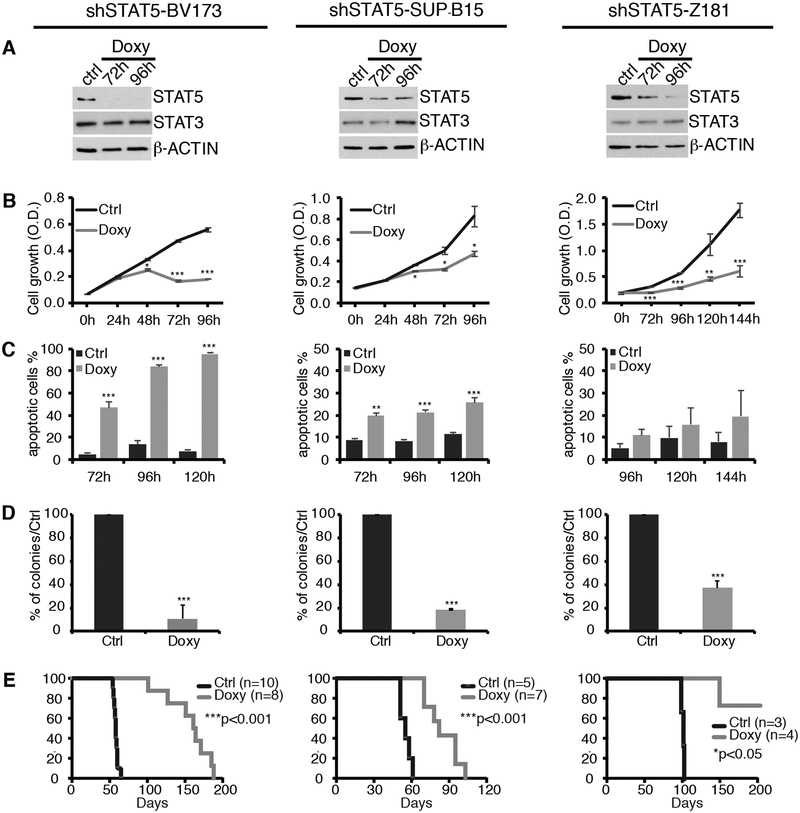
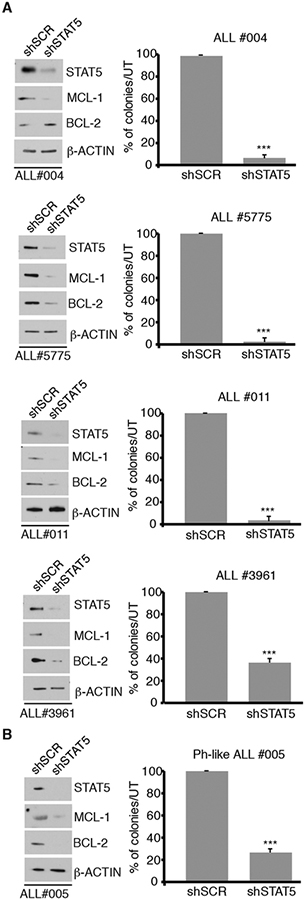
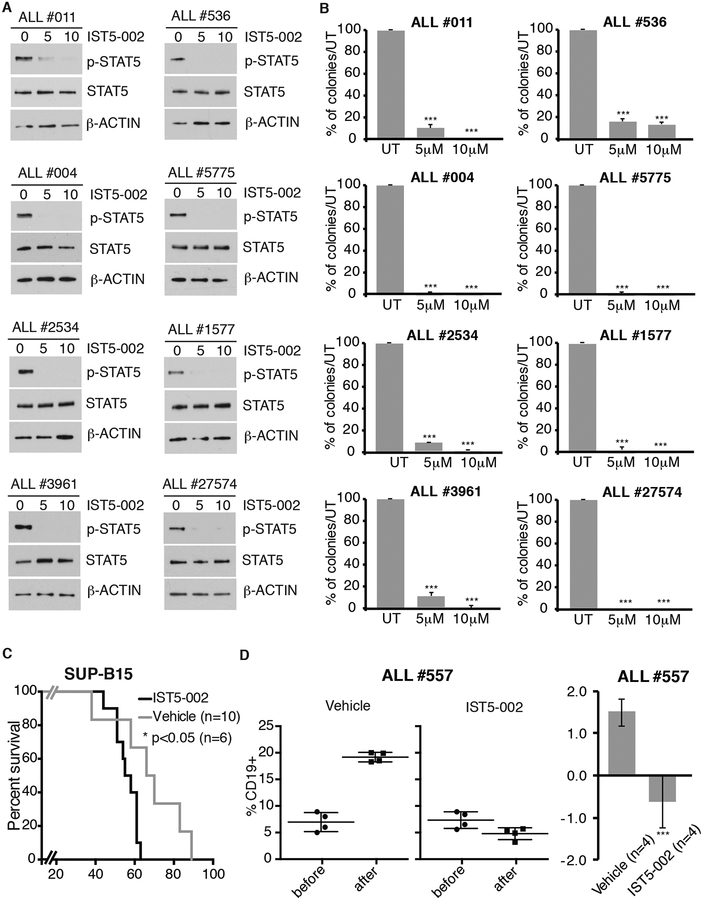
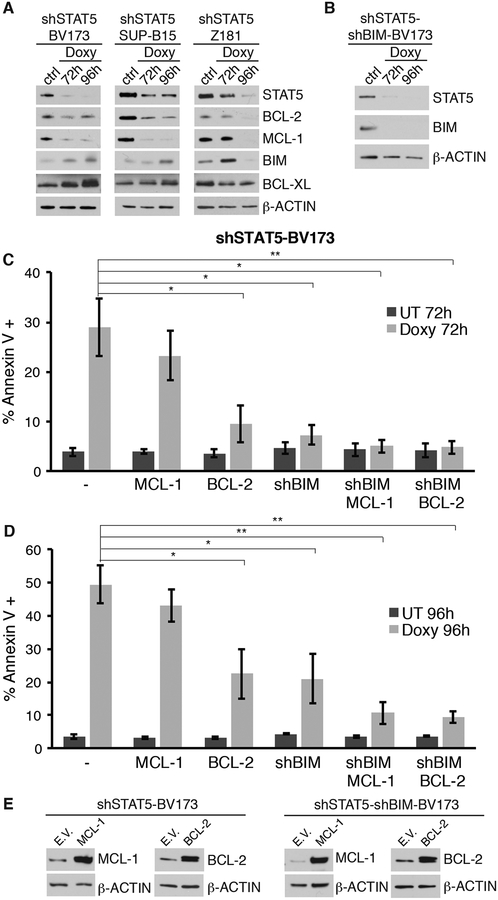
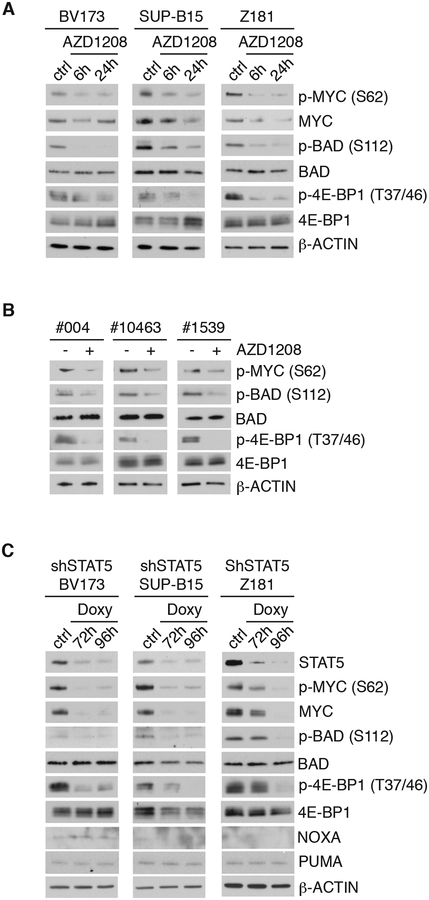
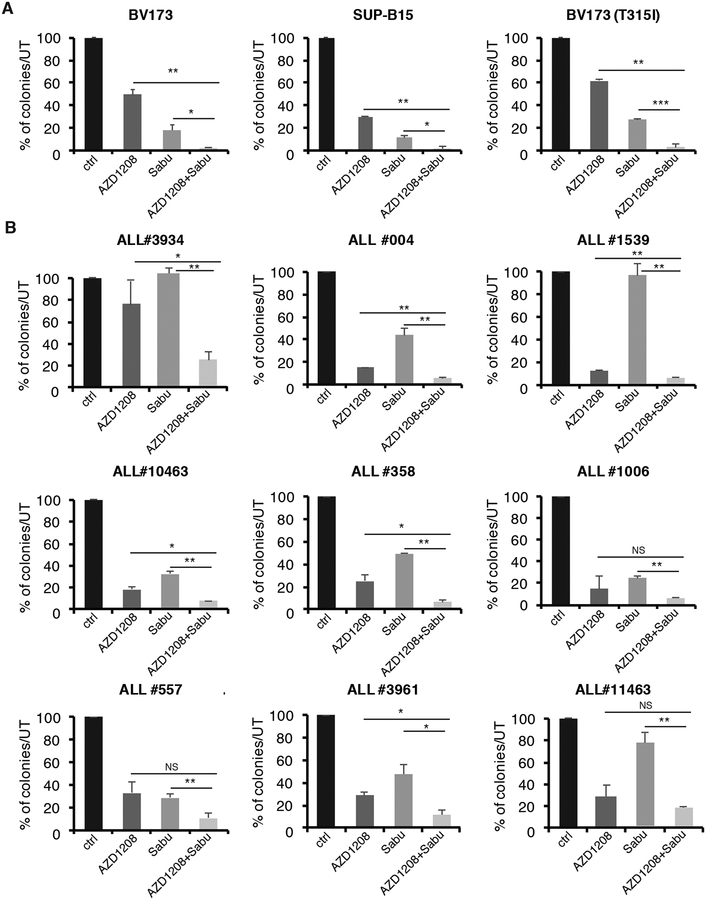
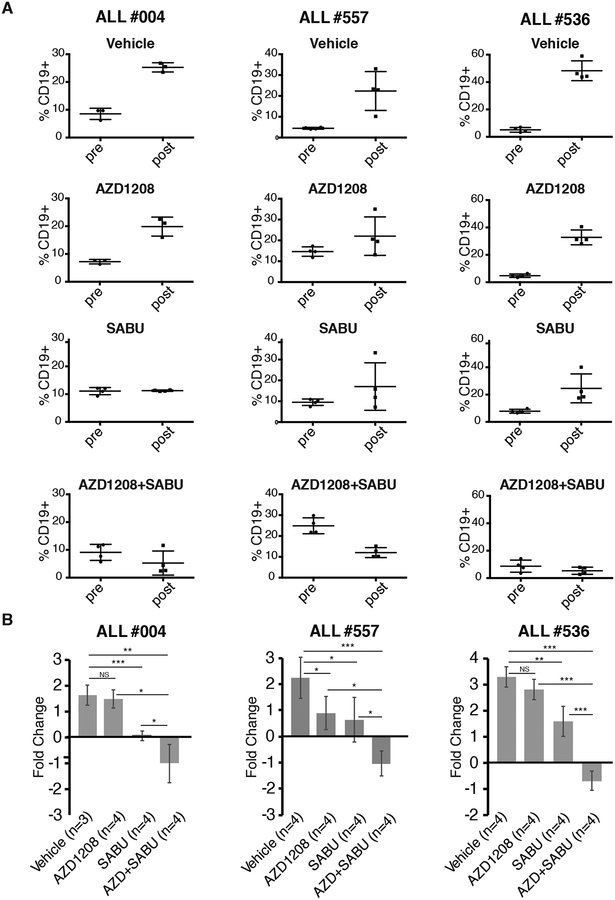
Combining standard cytotoxic chemotherapy with BCR-ABL1 tyrosine kinase inhibitors (TKI) has greatly improved the upfront treatment of patients with Philadelphia chromosome-positive (Ph+) acute lymphoblastic leukemia (ALL). However, due to the development of drug resistance through both BCR-ABL1-dependent and -independent mechanisms, prognosis remains poor. The STAT5 transcription factor is activated by BCR-ABL1 and by JAK2-dependent cytokine signaling; therefore, inhibiting its activity could address both mechanisms of resistance in Ph+ ALL. We show here that genetic and pharmacologic inhibition of STAT5 activity suppresses cell growth, induces apoptosis, and inhibits leukemogenesis of Ph+ cell lines and patient-derived newly diagnosed and relapsed/TKI-resistant Ph+ ALL cells ex vivo and in mouse models. STAT5 silencing decreased expression of the growth-promoting PIM-1 kinase, the apoptosis inhibitors MCL1 and BCL2, and increased expression of proapoptotic BIM protein. The resulting apoptosis of STAT5-silenced Ph+ BV173 cells was rescued by silencing of BIM or restoration of BCL2 expression. Treatment of Ph+ ALL cells, including samples from relapsed/refractory patients, with the PIM kinase inhibitor AZD1208 and/or the BCL2 family antagonist Sabutoclax markedly suppressed cell growth and leukemogenesis ex vivo and in mice. Together, these studies indicate that targeting STAT5 or STAT5-regulated pathways may provide a new approach for therapy development in Ph+ ALL, especially the relapsed/TKI-resistant disease.Significance: Suppression of STAT5 by BCL2 and PIM kinase inhibitors reduces leukemia burden in mice and constitutes a new potential therapeutic approach against Ph+ ALL, especially in tyrosine kinase inhibitor-resistant disease. Cancer Res; 78(20); 5793-807. ©2018 AACR.
©2018 American Association for Cancer Research.
Conflict of interest statement
Figures
References
-
- Faderl S, Kantarjian HM, Talpaz M, Estrov Z. Clinical significance of cytogenetic abnormalities in adult acute lymphoblastic leukemia. Blood. 1998;91:3995–4019. - PubMed
-
- Lugo TG, Pendergast AM, Muller AJ, and Witte ON. Tyrosine kinase activity and transformation potency by bcr-abl oncogene products. Science. 1990. 247:1079–1082. - PubMed
-
- Wetzler M, Dodge RK, Mrozek K, Carroll AJ, Tantravahi R, Block AW, et al. Prospective karyotype analysis in adult acute lymphoblastic leukemia: the cancer and leukemia Group B experience. Blood. 1999. 93:3983–93. - PubMed
-
- Gleissner B, Gokbuget N, Bartram CR, Janssen B, Rieder H, Janssen JW, et al. Leading prognostic relevance of the BCR-ABL translocation in adult acute B-lineage lymphoblastic leukemia: a prospective study of the German Multicenter Trial Group and confirmed polymerase chain reaction analysis. Blood. 2002. 99:1536–43. - PubMed
-
- El Fakih R, Jabbour E, Ravandi F, Hassanein M, Anjum F, Ahmed S, and Kantarjian H. Current paradigms in the management of Philadelphia chromosome positive acute lymphoblastic leukemia in adults. American J. Hematol 2017. Am J Hematol. 2013 Oct 3. doi: 10.1002/ajh.24926. [Epub ahead of print] - DOI - PubMed
Publication types
MeSH terms
Substances
Grants and funding
LinkOut - more resources
Full Text Sources
Other Literature Sources
Miscellaneous