


Comparative Study of Y-Split Recession versus Faden Technique for Management of Infantile Esotropia in Egyptians
- PMID: 30155281
- PMCID: PMC6093022
- DOI: 10.1155/2018/3408614
Comparative Study of Y-Split Recession versus Faden Technique for Management of Infantile Esotropia in Egyptians
Abstract
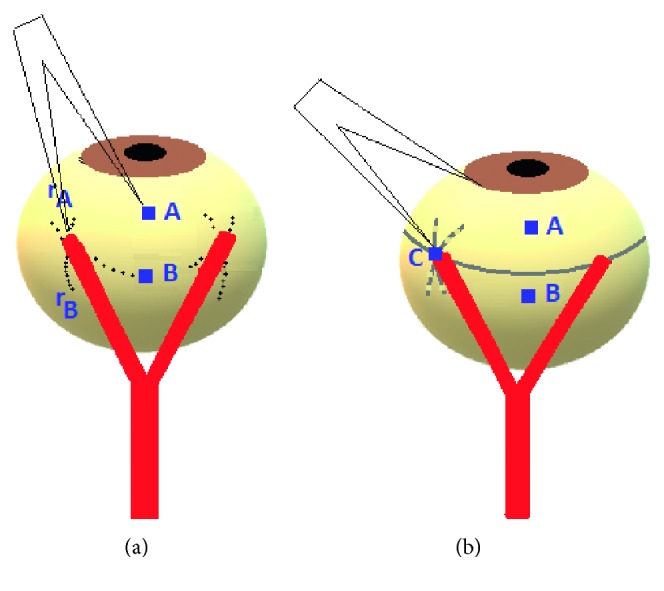
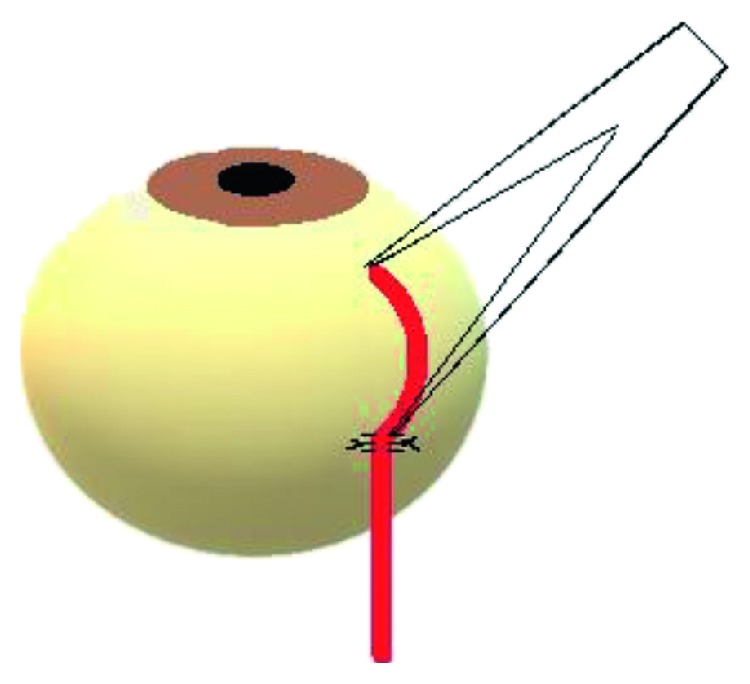
Purpose: This study compares the results of Y-split recession versus de Decker's (modified Cüppers) Faden techniques of medial rectus (MR) muscles for the management of essential infantile esotropia (IET).
Patients and methods: Fifty patients had IET divided into Group A who underwent Y-split recession of MR muscles and Group B who underwent de Decker's Faden technique of MR muscles. All patients had complete ophthalmic examination done including deviation angle measurement and met the inclusion criteria of the study. Operations were performed using general anesthesia. Patients were followed up at day 1, week 1, and months 1, 3, and 6 after operation.
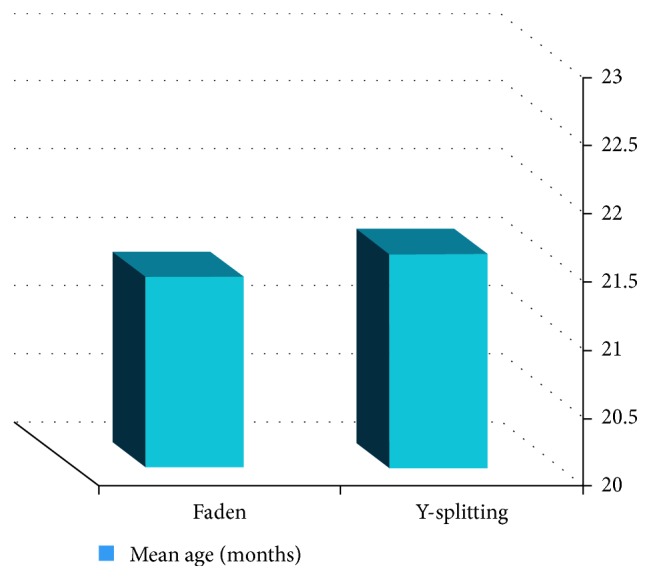
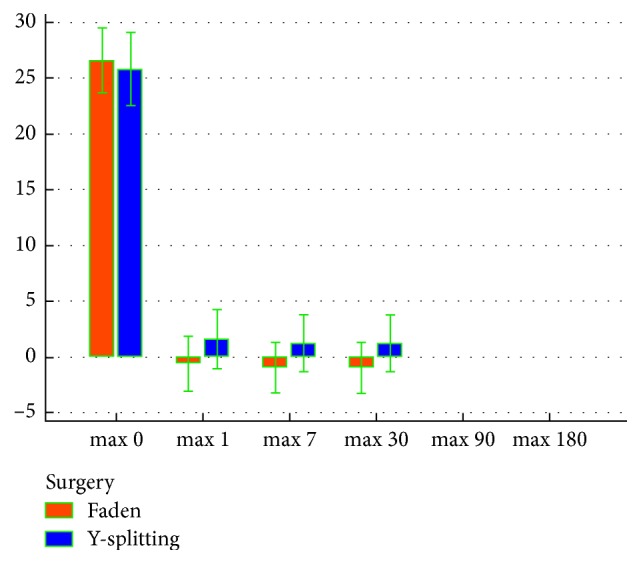
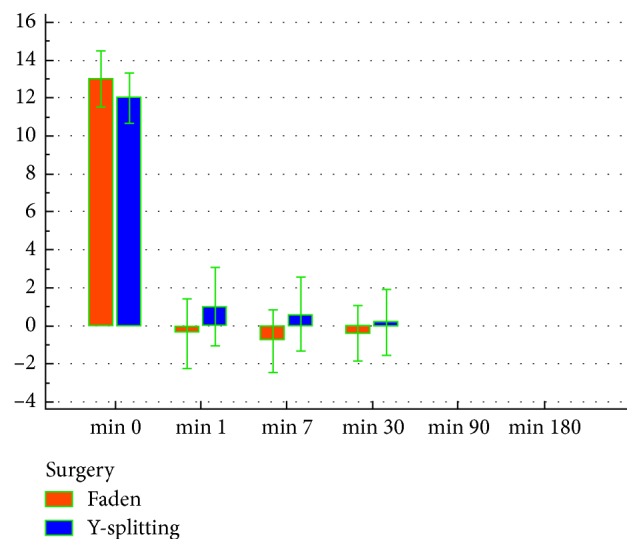
Results: The mean age distribution for group A was 21.56 months (SD 12.55) and for group B was 21.4 months (SD 12.35), and the mean postoperative follow-up interval was 6 months for both groups. The preoperative maximum angle of deviation in both groups ranged from 15 to 40 degrees, while the minimum angle of deviation ranged from 10 to 20 degrees. Immediately postoperatively both groups showed 88% of patients with satisfactory results (within 10 degrees of orthotropia). Group A showed two patients (8%) with ET and one patient (4%) with exotropia (XT). For group B, it showed one patient (4%) with ET and two patients (8%) with XT. Three patients in each group underwent a second intervention. All patients remained within the satisfactory range.
Conclusion: The results of this study suggest that both techniques show comparable results for the correction of IET.
Figures
References
-
- Stager D. R., Weakley D. R., Jr., Everett M. Delayed consecutive exotropia following 7-mm bilateral medial rectus recession for congenital esotropia. Journal of Pediatric Ophthalmology and Strabismus. 1994;31:147–150. - PubMed
LinkOut - more resources
Full Text Sources
Other Literature Sources
Miscellaneous
