


Characterization and anti-salmonella activities of lactic acid bacteria isolated from cattle faeces
- PMID: 30165820
- PMCID: PMC6118008
- DOI: 10.1186/s12866-018-1248-y
Characterization and anti-salmonella activities of lactic acid bacteria isolated from cattle faeces
Abstract
Background: Non typhoidal salmonellosis is one of the neglected zoonoses in most African countries. The use of sub-therapeutic doses of antibiotics as animal growth promoter enhances the emergence and dissemination of antimicrobial resistance in bacteria with food animal reservoirs and may also results in antibiotics residue in animal products. One promising alternative to antibiotics in animal feed is Lactic Acid Bacteria (LAB) as probiotics. This study was carried out to determine the anti-salmonella activities and suitability of LAB isolated from cattle faeces in Nigeria as potential probiotics in cattle feed.
Method: The test Salmonella enterica spp strains and LAB were isolated from cattle faeces and identified by MALDI-TOF MS and partial sequencing of 16S rRNA genes respectively. The anti-salmonella activities of the isolated LAB in co-culture, cell-free supernatant, inhibition of growth by viable LAB cells and quantification of organic acids were determined by standard techniques. The ability of the LAB strains to withstand gastric conditions, antibiotic susceptibility and their haemolytic ability on blood agar were also determined.
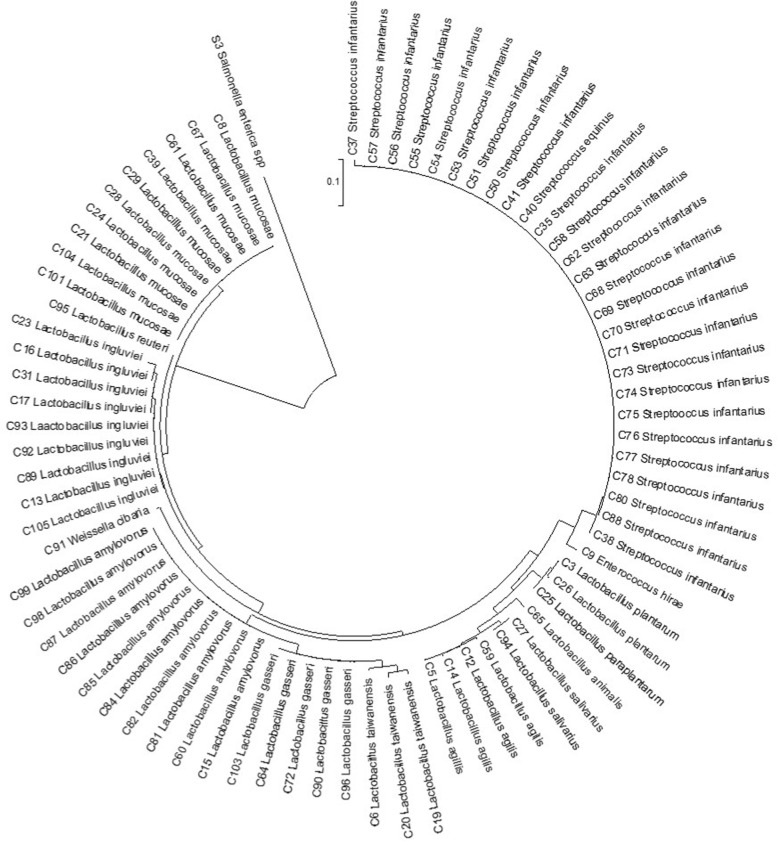
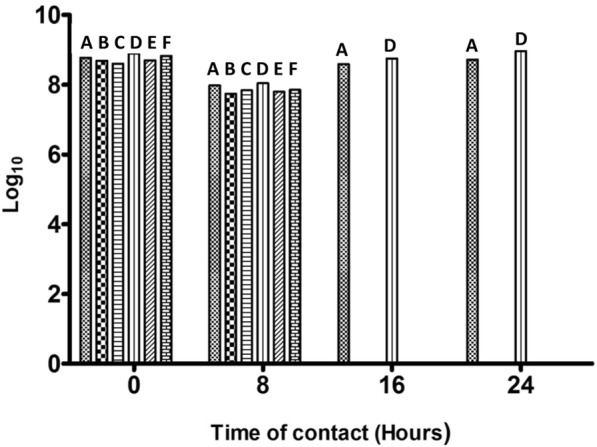
Results: A total of 88 LAB belonging to 15 species were isolated and identified from cattle faeces. The most abundant species were Streptococcus infantarius (26), Enterococcus hirae (12), Lactobacillus amylovorus (10), Lactobacillus mucosae (10) and Lactobacillus ingluviei (9). Most of the LAB strains showed good anti-salmonella activities against the test Salmonella enterica spp. with 2 Lactobacillus strains; Lactobacillus amylovorus C94 and Lactobacillus salivarius C86 exhibiting remarkable anti-salmonella activities with total inhibition of Salmonella spp after 18 hours of co-incubation. The selected strains were able to survive simultaneous growth at pH 3 and 7% bile concentration and are non hemolytic.
Conclusion: This study reports the vast diversity of culturable LAB in cattle faeces from Nigeria and their putative in-vitro antibacterial activity against Salmonella enterica spp isolated from cattle. Lactobacillus amylovorus C94 and Lactobacillus salivarius C86 demonstrated promising probiotic potentials in-vitro and will be further tested in-vivo in animal field trial.
Keywords: Cattle; Faeces; Lactic acid bacteria; Probiotics; Salmonella.
Conflict of interest statement
Consent for publication
Not applicable
Competing interests
The authors declare no competing interest on this study.
Publisher’s Note
Springer Nature remains neutral with regard to jurisdictional claims in published maps and institutional affiliations.
Figures
References
-
- Food and Agriculture Organization / World Health Organization. Expert Workshop on Non-Human Antimicrobial Usage and Antimicrobial Resistance: Scientific assessment Geneva. December 1 – 5. 2003
MeSH terms
Substances
LinkOut - more resources
Full Text Sources
Other Literature Sources
Medical
Miscellaneous
