


Preterm neuroimaging and neurodevelopmental outcome: a focus on intraventricular hemorrhage, post-hemorrhagic hydrocephalus, and associated brain injury
- PMID: 30166622
- PMCID: PMC6215507
- DOI: 10.1038/s41372-018-0209-5
Preterm neuroimaging and neurodevelopmental outcome: a focus on intraventricular hemorrhage, post-hemorrhagic hydrocephalus, and associated brain injury
Abstract
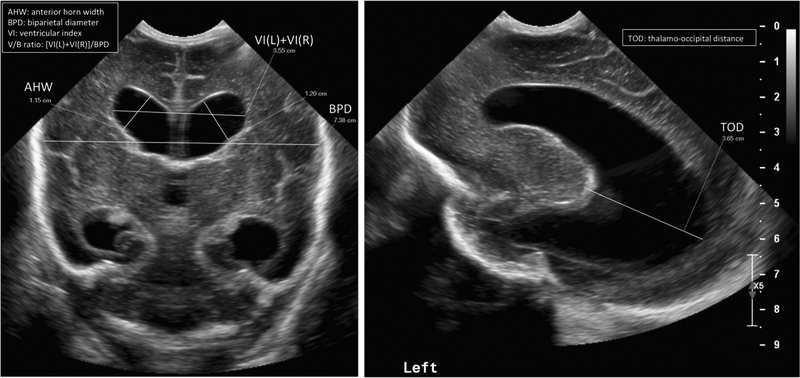
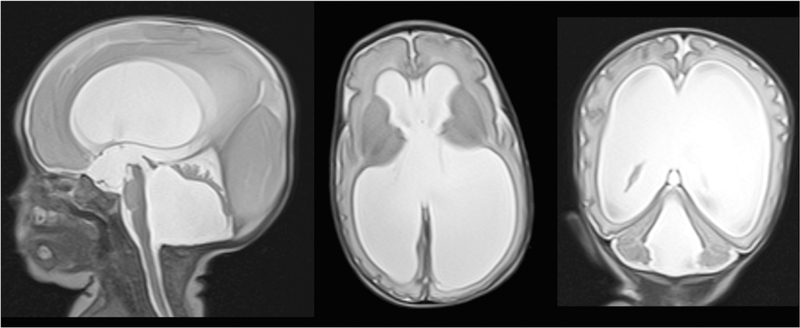
Intraventricular hemorrhage in the setting of prematurity remains the most common cause of acquired hydrocephalus. Neonates with progressive post-hemorrhagic hydrocephalus are at risk for adverse neurodevelopmental outcomes. The goal of this review is to describe the distinct and often overlapping types of brain injury in the preterm neonate, with a focus on neonatal hydrocephalus, and to connect injury on imaging to neurodevelopmental outcome risk. Head ultrasound and magnetic resonance imaging findings are described separately. The current state of the literature is imprecise and we end the review with recommendations for future radiologic and neurodevelopmental research.
Conflict of interest statement
Compliance with ethical standards
Figures
References
-
- Papile L, Burstein J, Burstein R, Koffier A. Incidence and evolution of subependymal and intraventricular hemorrhage in premature infants: a study of infants <1500 g. J Pediatr. 1978;92:529–34. - PubMed
-
- El-Dib M, Massaro AN, Bulas D, Aly H. Neuroimaging and neurodevelopmental outcome of premature infants. Am J Perinatol. 2010;27:803–18. - PubMed
-
- Volpe JJ. Neurology of the newborn. 5th ed. Philadelphia: Saunders/Elsevier; 2008.
-
- Whitelaw A Intraventricular haemorrhage and posthaemorrhagic hydrocephalus: pathogenesis, prevention and future interventions. Semin Neonatol. 2001;6:135–46. - PubMed
Publication types
MeSH terms
Grants and funding
LinkOut - more resources
Full Text Sources
Other Literature Sources
Medical
