An Application of Network Science to Phonological Sequence Learning in Children With Developmental Language Disorder
- PMID: 30167667
- PMCID: PMC6195047
- DOI: 10.1044/2018_JSLHR-L-18-0036
An Application of Network Science to Phonological Sequence Learning in Children With Developmental Language Disorder
Abstract
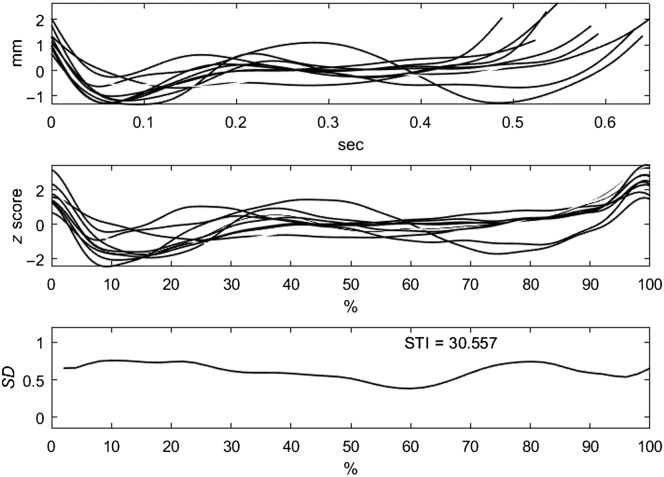
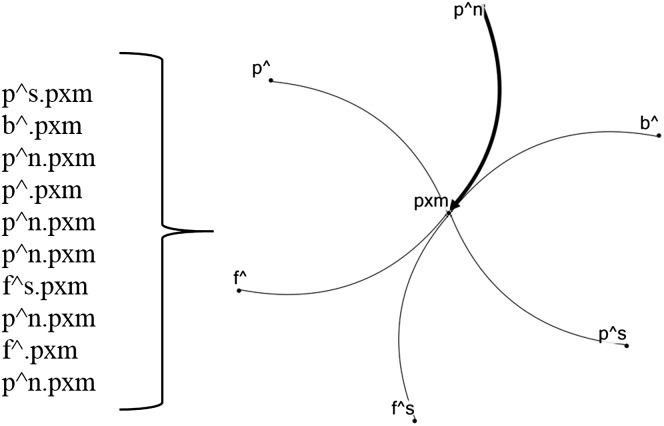
Purpose: Network science has been a valuable tool in language research for investigating relationships between complex linguistic elements but has not yet been applied to sound sequencing in production. In the present work, we used standard error-based accuracy and articulatory kinematic approaches as well as novel measures from network science to evaluate variability and sequencing errors in speech production in children with developmental language disorder (DLD; aka specific language impairment).
Method: Twelve preschoolers with DLD and 12 age-matched controls participated in a 3-day novel word learning study. Transcription and articulatory movement data were collected to measure accuracy and variability of productions, and networks of speech productions were generated to analyze syllable co-occurrence patterns.
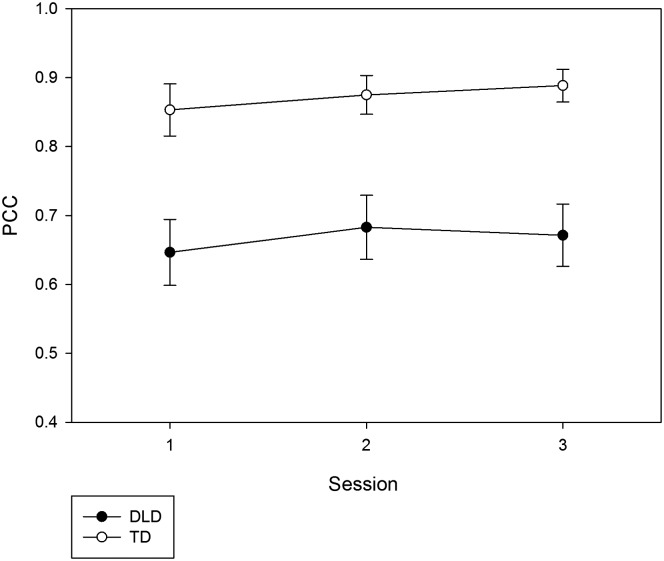
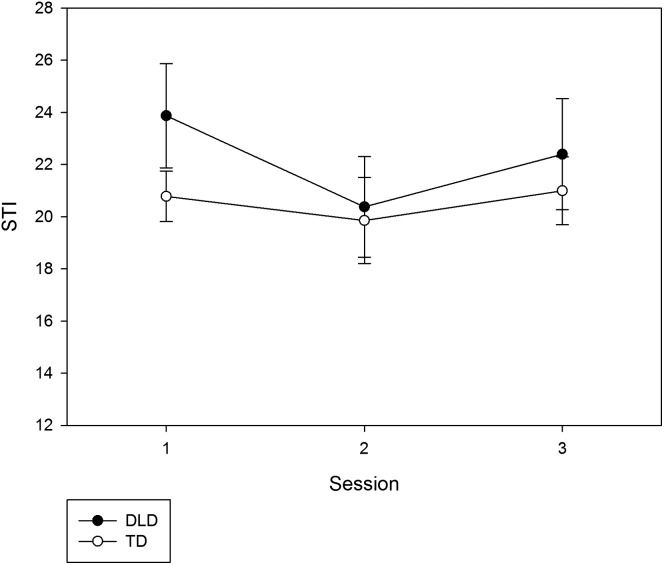
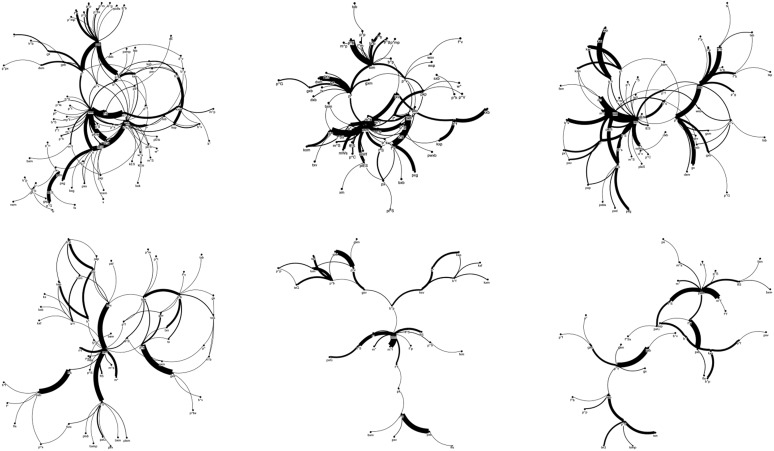
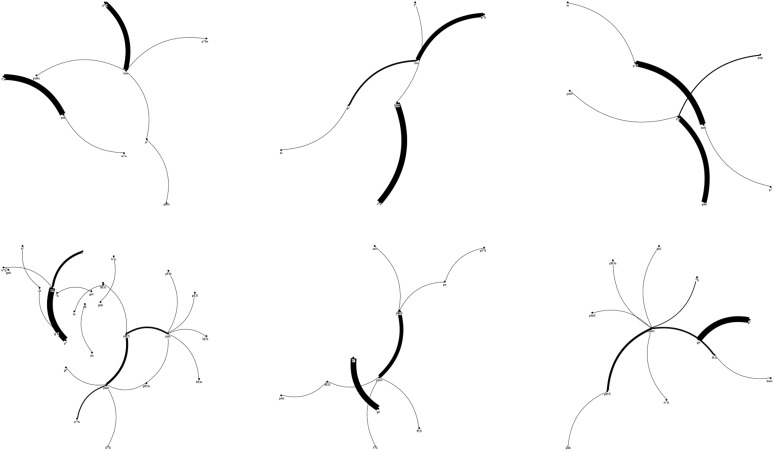
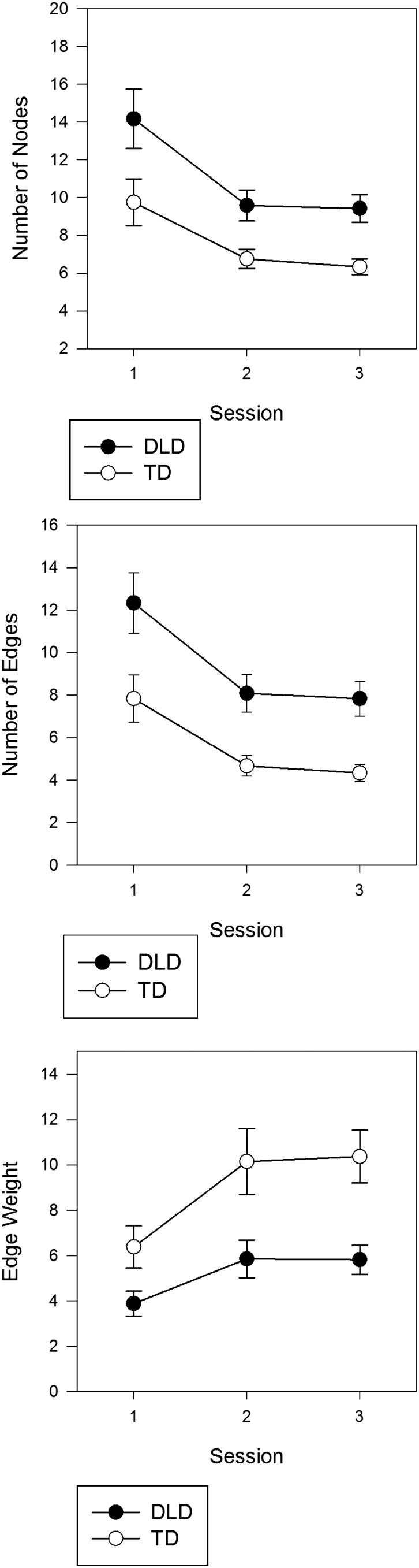
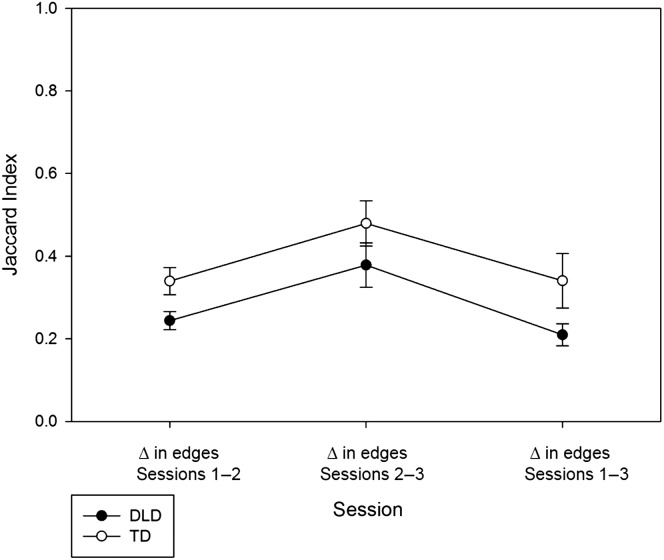
Results: Results indicated that children with DLD were less accurate than children with typical language at the segmental level. Crucially, these findings did not align with performance at the articulatory level, where there were no differences in movement variability between children with DLD and those with typical language. Network analyses revealed characteristics that were not captured by standard measures of phonetic accuracy, including a larger inventory of syllable forms, more connections between the forms, and less consistent production patterns.
Conclusions: Network science provides significant insights into phonological learning trajectories in children with DLD and their typically developing peers. Importantly, errors in word production by children with DLD do not surface as a result of weakness in articulatory control. Instead, results suggest that speech errors in DLD may relate to deficits in sound sequencing.
Figures
References
-
- Alt M., Plante E., & Creusere M. (2004). Semantic features in fast-mapping: Performance of preschoolers with specific language impairment versus preschoolers with normal language. Journal of Speech, Language, and Hearing Research, 47, 407–420. https://doi.org/10.1044/1092-4388(2004/033) - PubMed
-
- Bankson N. W., & Bernthal J. E. (1990). Bankson-Bernthal Test of Phonology. Chicago, IL: Riverside.
-
- Barceló-Coblijn L., Benítez-Burraco A., & Irurtzun A. (2015). Syntactic networks as an endophenotype of developmental language disorders: An evo-devo approach to clinical linguistics. Biolinguistics, 9, 43–49.
-
- Barceló-Coblijn L., Corominas-Murtra B., & Gomila A. (2012). Syntactic trees and small-world networks: Syntactic development as a dynamical process. Adaptive Behavior, 20(6), 427–442. https://doi.org/10.1177/1059712312455439
-
- Beckage N., Smith L., & Hills T. (2011). Small worlds and semantic network growth in typical and late talkers. PLoS One, 6(5), e19348 https://doi.org/10.1371/journal.pone.0019348 - PMC - PubMed
Publication types
MeSH terms
Grants and funding
LinkOut - more resources
Full Text Sources
Other Literature Sources
Miscellaneous