


APE1: A skilled nucleic acid surgeon
- PMID: 30170830
- PMCID: PMC6491353
- DOI: 10.1016/j.dnarep.2018.08.012
APE1: A skilled nucleic acid surgeon
Abstract
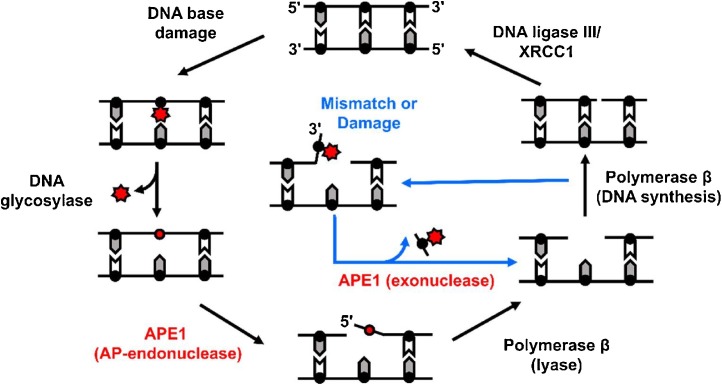
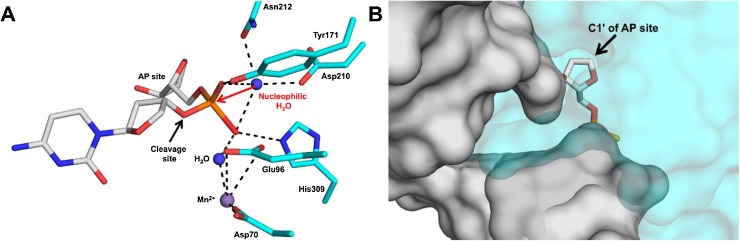
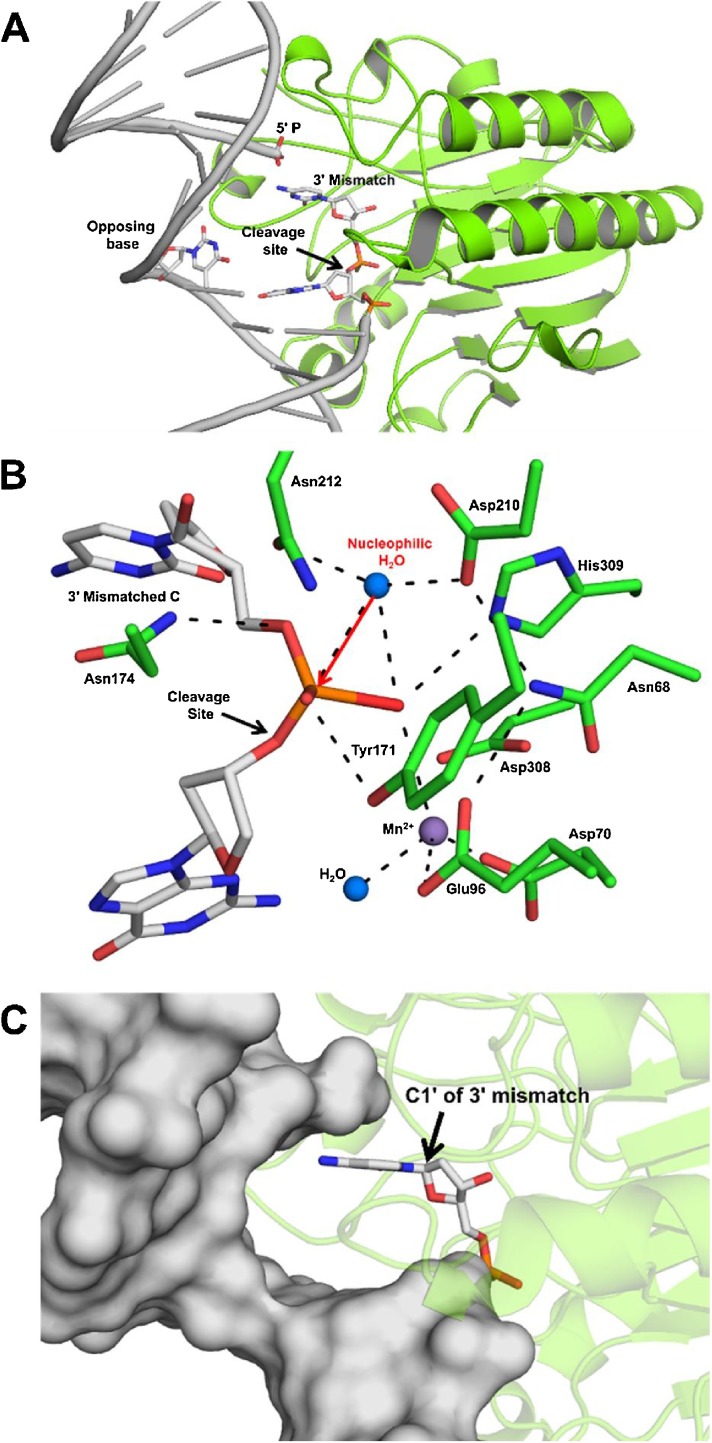
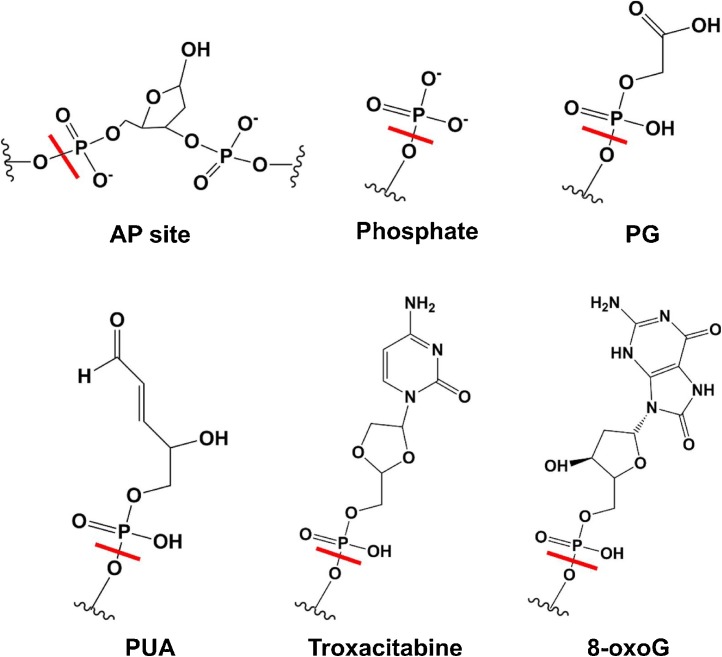
Before a deleterious DNA lesion can be replaced with its undamaged counterpart, the lesion must first be removed from the genome. This process of removing and replacing DNA lesions is accomplished by the careful coordination of several protein factors during DNA repair. One such factor is the multifunctional enzyme human apurinic/apyrimidinic endonuclease 1 (APE1), known best for its DNA backbone cleavage activity at AP sites during base excision repair (BER). APE1 preforms AP site incision with surgical precision and skill, by sculpting the DNA to place the cleavage site in an optimal position for nucleophilic attack within its compact protein active site. APE1, however, has demonstrated broad surgical expertise, and applies its DNA cleavage activity to a wide variety of DNA and RNA substrates. Here, we discuss what is known and unknown about APE1 cleavage mechanisms, focusing on structural and mechanistic considerations. Importantly, disruptions in the biological functions associated with APE1 are linked to numerous human maladies, including cancer and neurodegenerative diseases. The continued elucidation of APE1 mechanisms is required for rational drug design towards novel and strategic ways to target its associated repair pathways.
Keywords: AP sites; APE1; DNA cleavage; DNA damage; DNA repair; End processing; Nucleotide incision repair; RNA metabolism.
Copyright © 2018 Elsevier B.V. All rights reserved.
Figures
References
-
- Luo M., Delaplane S., Jiang A., Reed A., He Y., Fishel M., Nyland R.L., 2nd, Borch R.F., Qiao X., Georgiadis M.M., Kelley M.R. Role of the multifunctional DNA repair and redox signaling protein Ape1/Ref-1 in cancer and endothelial cells: small-molecule inhibition of the redox function of Ape1. Antioxid. Redox Signal. 2008;10:1853–1867. - PMC - PubMed
-
- McNeill D.R., Wilson D.M., 3rd A dominant-negative form of the major human abasic endonuclease enhances cellular sensitivity to laboratory and clinical DNA-damaging agents. Mol. Cancer Res. 2007;5:61–70. - PubMed
-
- Fung H., Demple B. A vital role for Ape1/Ref1 protein in repairing spontaneous DNA damage in human cells. Mol. Cell. 2005;17:463–470. - PubMed
Publication types
MeSH terms
Substances
Grants and funding
LinkOut - more resources
Full Text Sources
Other Literature Sources
Research Materials
Miscellaneous
