


The role of osteopathy in the Swiss primary health care system: a practice review
- PMID: 30173163
- PMCID: PMC6120650
- DOI: 10.1136/bmjopen-2018-023770
The role of osteopathy in the Swiss primary health care system: a practice review
Abstract
Objectives: The aim of this study was to describe osteopathic activity and scope of practice to understand the current and future role of osteopathy in the Swiss healthcare system.
Design: A questionnaire survey that included a patient record-based retrospective clinical audit.
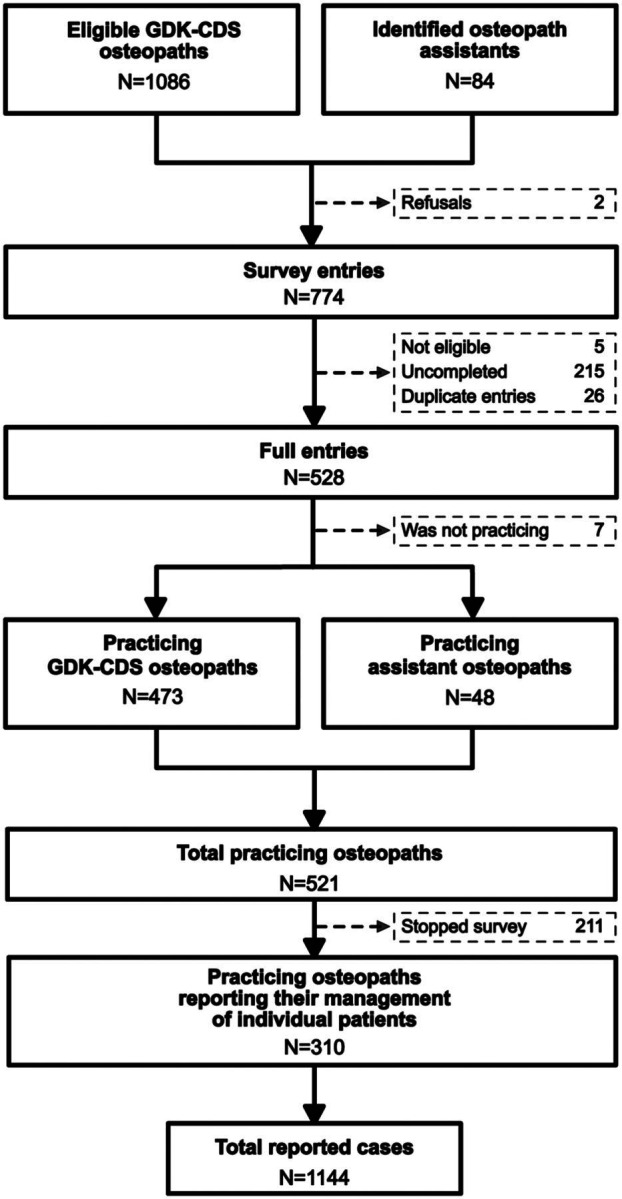
Setting/population: Osteopaths with a national diploma (n=1086) were invited by mail to participate in an online survey. Osteopathic assistants (n=84) were identified through their national association.
Questionnaire: The survey was constructed from previous surveys and tested for face validity with experts, osteopaths and patient representatives. The questionnaires were completed online in English, German and French between April and August 2017. Osteopaths anonymously reported information about themselves, their practice, and the treatment and care for four randomly selected patients they managed in 2016.
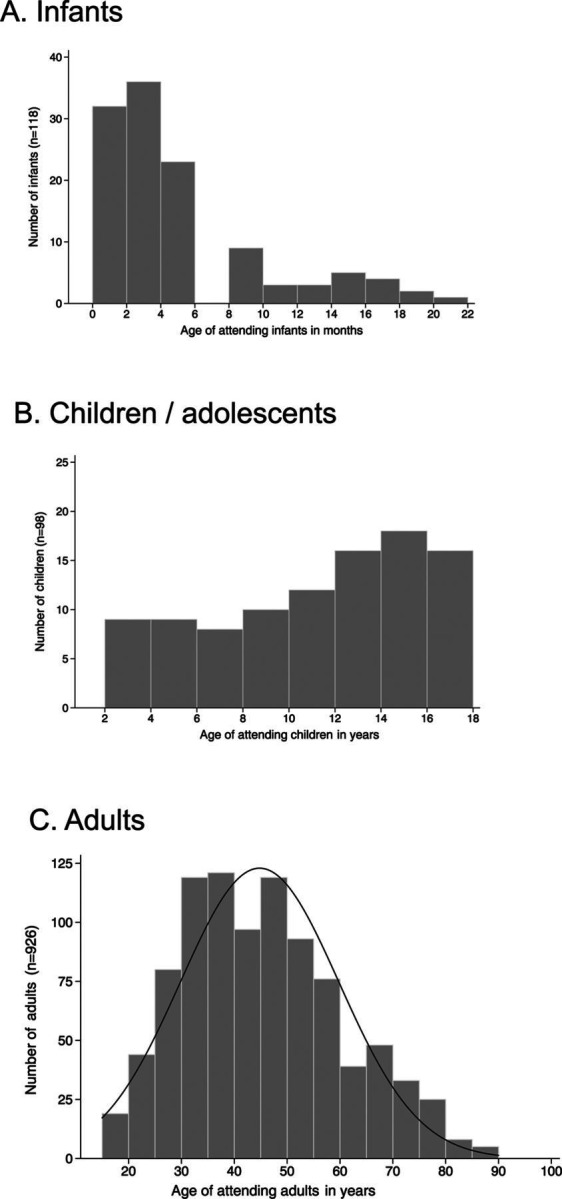
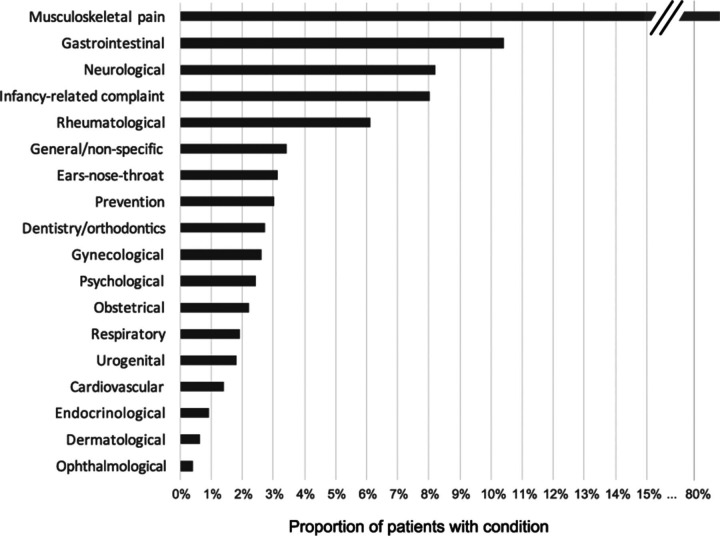
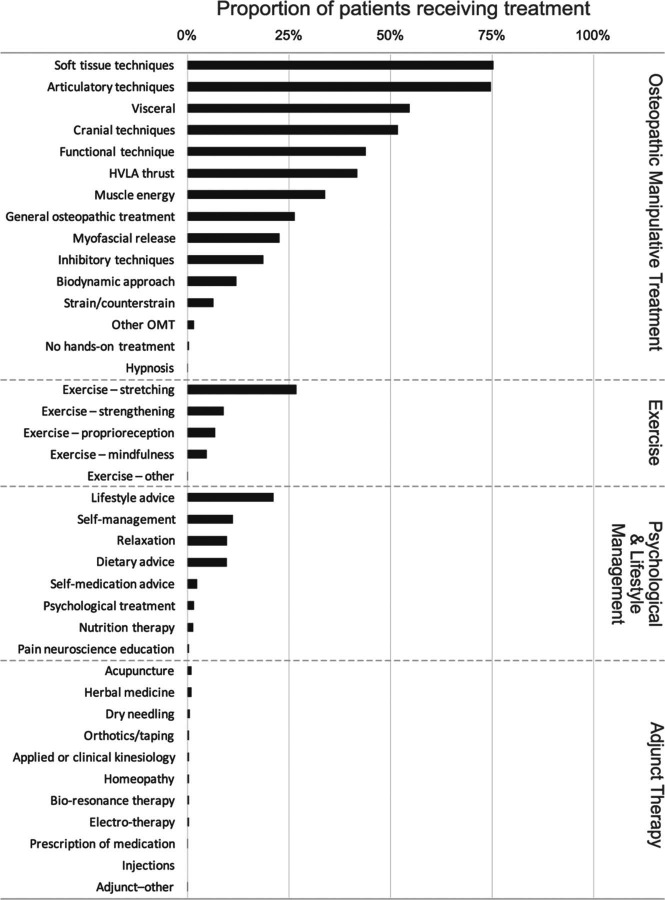
Results: The response rate from the survey was 44.5% (521/1171). Data on osteopathic care were collected for 1144 patients and 3449 consultations. In 2016, osteopaths saw approximately 6.8% of the Swiss population for 1700 000 consultations and an overall estimated cost of 200 million Swiss francs. 76% of patients sought care directly without a referral from another care provider. Few osteopaths (<1%) work in a hospital setting and 46% work in isolation in private practice. Infants (under 2 years old) made up 10% of all patients and 9% of patients were ≥65 years. Patients most commonly sought treatment for musculoskeletal conditions (81%) with the spine being the most frequent location (66%). Treatments also included exercise advice (34.2%) and lifestyle management (35.4%). Fewer than 1 patient out of 10 were referred to another health profession or provider.
Conclusions: In Switzerland, osteopathic care represents an important first line management for musculoskeletal conditions that alleviates some of the burden of care in the Swiss primary healthcare system.
Keywords: Switzerland; clinical audit; osteopathic care; scope of practice; survey.
© Author(s) (or their employer(s)) 2018. Re-use permitted under CC BY-NC. No commercial re-use. See rights and permissions. Published by BMJ.
Conflict of interest statement
Competing interests: The researchers work for the Unit of Research in Mobility at the School of Health Sciences Fribourg which includes the division of osteopathy.
Figures
References
-
- Thomson OP, Petty NJ, Moore AP. Osteopaths' professional views, identities and conceptions – a qualitative grounded theory study. Int J Ost Med 2014;17:146–59. 10.1016/j.ijosm.2013.12.002 - DOI
-
- OIA. Osteopathy and osteopathic practice; a global view of practice, patients, education and the contribution to healthcare delivery. Chicago: Osteopathic International Alliance, 2013.
-
- Barnes A. Am I a carer and do I care? An exploration of the concept of care as applied to osteopathic practice. Med Health Care Philos 2004;7:153–61. - PubMed
Publication types
MeSH terms
LinkOut - more resources
Full Text Sources
Other Literature Sources
Miscellaneous
