


Useful clinical features and hematological parameters for the diagnosis of dengue infection in patients with acute febrile illness: a retrospective study
- PMID: 30181881
- PMCID: PMC6114047
- DOI: 10.1186/s12878-018-0116-1
Useful clinical features and hematological parameters for the diagnosis of dengue infection in patients with acute febrile illness: a retrospective study
Abstract
Background: Dengue infection patients are presented with acute febrile illness. Clinical presentations may mimic other infections. The serology for definite diagnosis is costly and inaccessible in many hospitals. We sought to identify the clinical features and hematologic parameters from a complete blood count (CBC) which distinguish dengue infection from other causes.
Methods: This was a retrospective single center study from Chiang Mai University Hospital. All patients who presented with acute fever between September 2013 and July 2015 were included. The diagnosis of dengue infection must be confirmed by serology. The control groups were patients who presented with acute febrile illness without localizing signs. Clinical data and CBC results were reviewed and compared. The Chi-square test was used to compare categorical variables. The CBC parameters were analyzed using the linear mixed model.
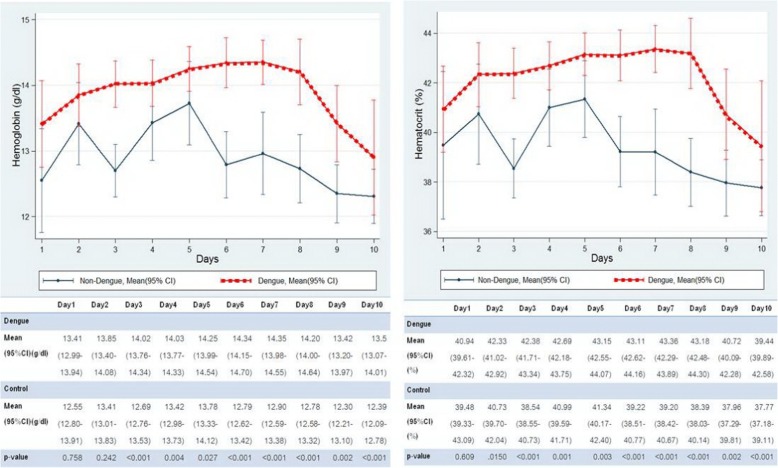
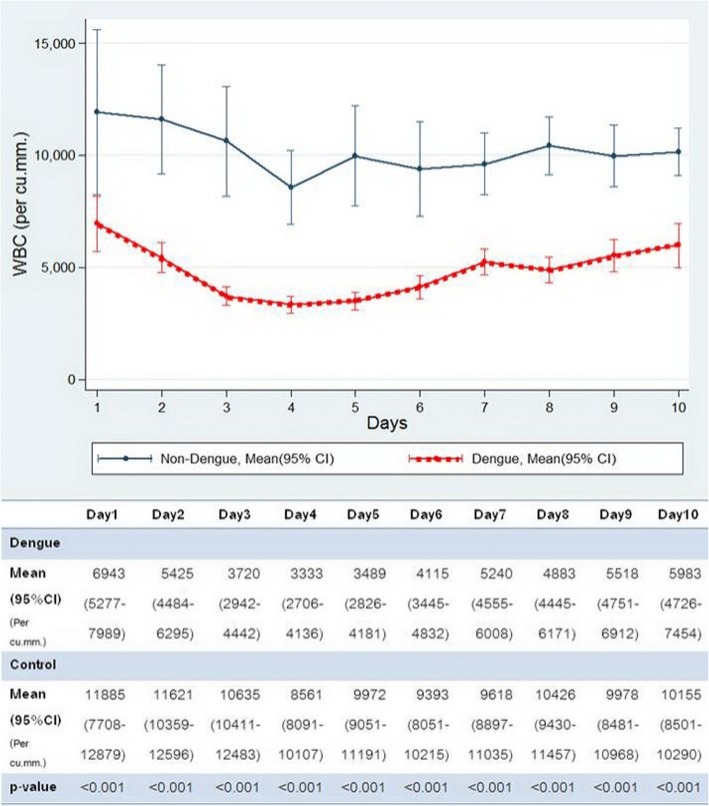
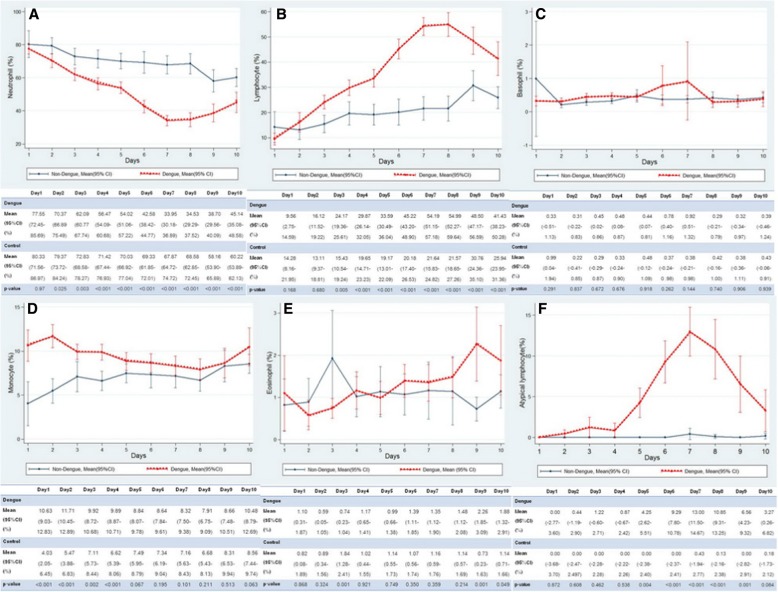
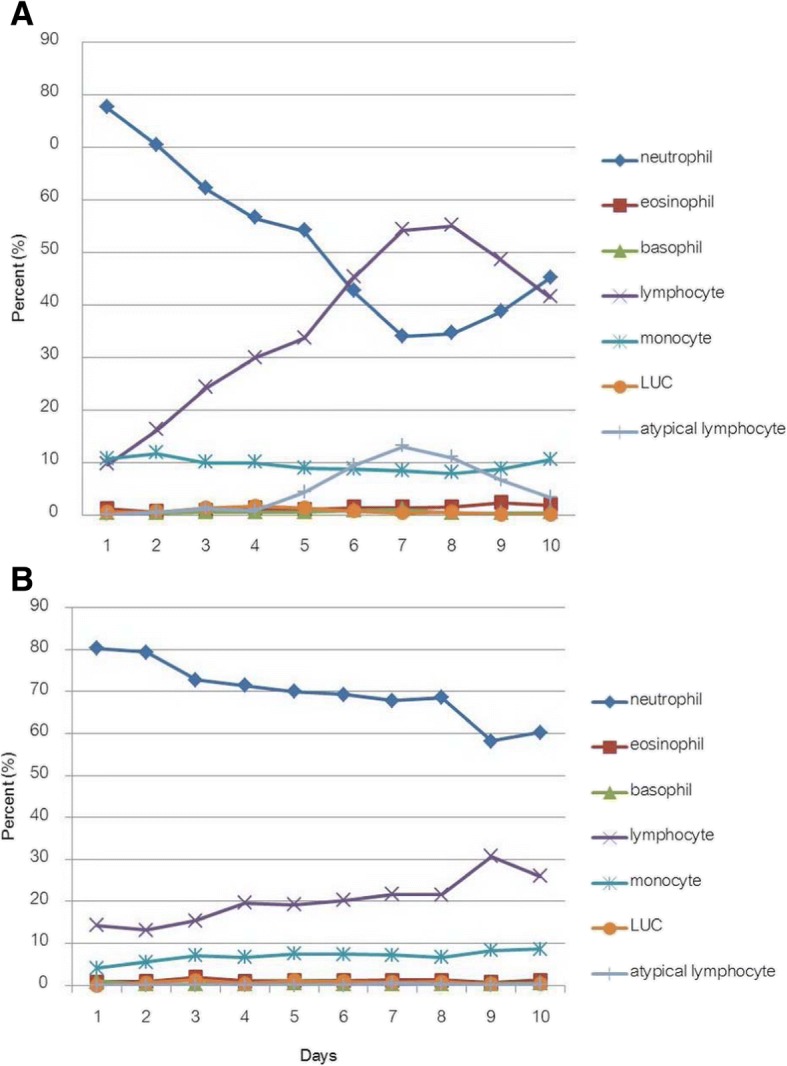
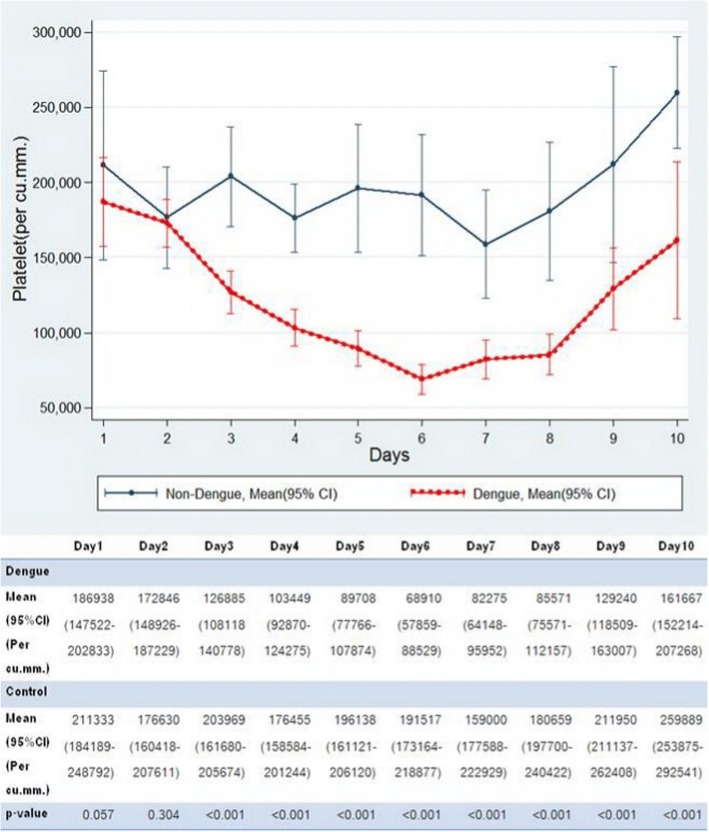
Results: One hundred and fifty-four dengue and 146 control patients were included. Headache, nausea, loss of appetite and bleeding diathesis were significantly symptoms in dengue patients (p < 0.05). There was some diversity in the the CBC in the dengue patients compared to the control group. Moreover, this study also identified the day of fever which these parameters were statistically significant. The dengue group had higher hemoglobin and hematocrit from day 3 to day 10 (p < 0.001), lower white blood cell count from day 1 to day 10 (p < 0.001), lower platelet count from day 3 to day 10 (p < 0.001), higher monocyte on day 1-4 (p < 0.001), higher atypical lymphocyte percentage on day 5-9 (p < 0.001) and higher eosinophil percentage on day 9-10 (p = 0.001). Furthermore, the neutrophil to lymphocyte percentage ratio of dengue group was > 1 on the first 5 days then reversed on day 6 to Day 9 but in non-dengue group, the ratio was always > 1.
Conclusion: We identified important clinical features and CBC parameters to differentiate dengue patients from other patients who had acute febrile illness from other causes. This identification could be done in local hospitals to give an accurate diagnosis, enabling further investigation to be tailored and treatment commenced earlier.
Keywords: Acute febrile illness; Complete blood count; Dengue infection; Diagnosis of dengue; Hematological parameters.
Conflict of interest statement
This study was approved by ethical research committee, Faculty of Medicine, Chiang Mai University. Reference number: FAC MED 2557 02493/ Research ID:2493.Not applicable.All of the authors declare no competing interests.Springer Nature remains neutral with regard to jurisdictional claims in published maps and institutional affiliations.
Figures
References
-
- WHO Guidelines Approved by the Guidelines Review Committee . Dengue: guidelines for diagnosis, treatment, prevention and control: new edition. Geneva: World Health Organization World Health Organization; 2009.
-
- Bureau of Epidemiology DoDC . Ministry of Public Health Dengue fever. Thailand: Bureau of National disease surveillance (Report 506) Epidemiology MoPH; 2015.
LinkOut - more resources
Full Text Sources
Other Literature Sources
