. 2018 Sep 6;3(17):e122799.
doi: 10.1172/jci.insight.122799.

Improved outcomes in PI3K-pathway-altered metastatic HPV oropharyngeal cancer

Affiliations

Improved outcomes in PI3K-pathway-altered metastatic HPV oropharyngeal cancer

Glenn J Hanna et al. JCI Insight. .

Abstract

While it has been recognized that human papillomavirus-associated (HPV-associated) oropharyngeal cancer (OPC) portends an improved prognosis, distinct patterns of disease recurrence have emerged. Molecular characterization of this subset of HPV patients remains unexplored. We evaluated 52 metastatic HPV+ OPC patients from our institution and paired massively parallel sequencing data with clinical parameters and survival outcomes in 81% of patients. Genomic data were then compared with 2 molecularly defined, curable HPV+ cohorts. Metastatic HPV+ OPC patients with pulmonary-only metastases demonstrated worse outcomes. Nonexclusive somatic alterations in KMT2D and PIK3CA were most frequent, with PRKDC alterations occurring at higher frequency when compared with all sequenced HPV+ OPC patients. PI3K pathway alterations were associated with improved outcomes among metastatic HPV+ OPC patients. We demonstrate subtle differences in the mutational landscape between curable and metastatic HPV+ OPC populations, with a trend towards more frequent DNA repair protein alterations in the latter. We demonstrate improved outcomes when PI3K pathway alterations are present in these patients. We provide molecular insights for this important HPV+ subgroup that have significant therapeutic implications.

Keywords: Genetics; Head & neck cancer; Molecular genetics; Oncology.


Conflict of interest statement

Conflict of interest: GJH receives institutional support from BMS and EMD Serono. RIH receives research support and does consulting for BMS, Merck, Astra Zeneca, Pfizer, and Celgene. JHL receives institutional research support from Bayer, BMS, Novartis, and Millennium. RU is on the scientific advisory board at Merck. GJH receives research support and does consulting for BMS, Merck, Astra Zeneca, Pfizer, and Celgene. In addition to consulting for Eisai and Genzyme, RIH and GJH are also members of the National Comprehensive Cancer Network head and neck cancer panel.

Figures

Figure 1
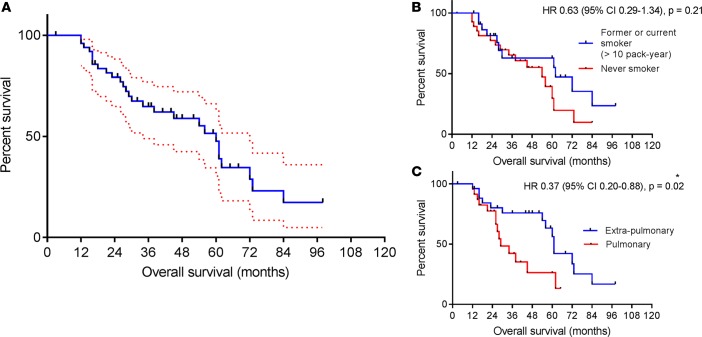
Figure 1. Survival outcomes in patients with metastatic HPV-associated oropharyngeal cancer.
(A) Overall survival (in months) among n = 52 patients with metastatic oropharyngeal cancer causally related to human papillomavirus (HPV). Dotted lines represent 95% confidence intervals. Overall survival among metastatic HPV-associated oropharyngeal cancer patients based on (B) smoking history, and (C) metastatic site of disease. The pulmonary subgroup represents those with lung involvement as their only known site of distant disease, while the extrapulmonary subgroup signifies the patient had at least one site of involvement outside the lungs. HR, hazard ratio; CI, confidence interval. *P < 0.05, log-rank testing.
Figure 2
Figure 2. Mutational landscape of metastatic HPV-associated oropharyngeal cancer.
(A) Normalized total mutational burden (TMB) including all nonsynonymous gene alterations per sample (n = 39). (B) Mutational plot showing the most frequently mutated genes (top to bottom, >5% frequency) with gene frequency listed at right (%) among 42 metastatic HPV+ oropharyngeal tumors. The vertical bar graph shows mutational frequency compared with whole-exome sequencing results among n = 72 patients in the The Cancer Genome Atlas–Pan Cancer Atlas (TCGA-PCA) and n = 51 in the University of Chicago cohorts with nonmetastatic HPV-associated head and neck cancer. Gene frequency (%) is also shown among both comparator cohorts. Significance evaluated by Bonferroni-corrected 2-sided χ2 test.
Figure 3
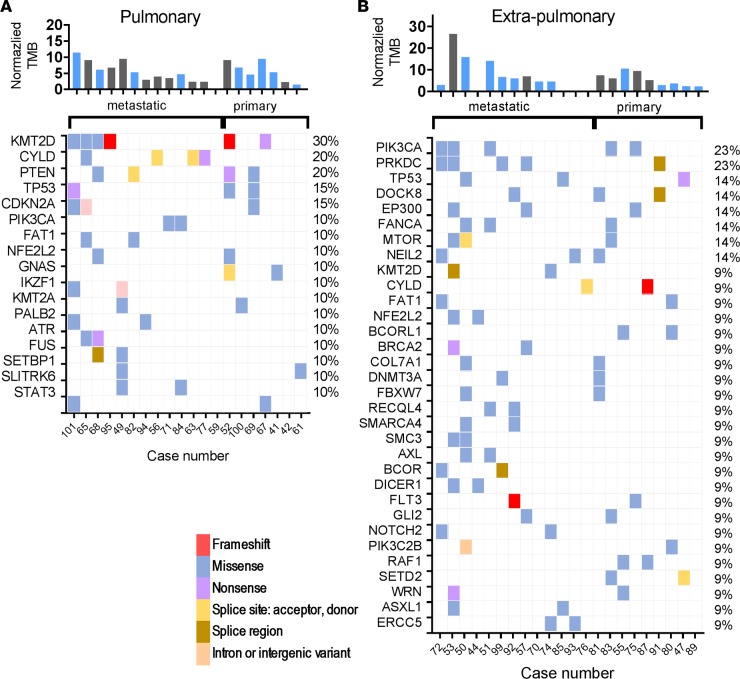
Figure 3. Mutational landscape in metastatic HPV-associated oropharyngeal cancer by site of disease.
(A) Mutational plot showing the most frequently altered genes (top to bottom) among metastatic HPV+ tumors with only pulmonary metastases (n = 20), and in those with (B) extrapulmonary sites of metastatic disease (n = 22). Normalized total mutational burden (TMB) is shown in the bar graph above. Smoking status is depicted by colored shading in the bar graph: blue represents never smokers, dark gray represents former (>10 pack-years) or current smokers. Each column represents an individual patient sample and they are arranged according to where the biopsy material for massively parallel sequencing was obtained (primary site of disease or metastatic focus).
Figure 4
Figure 4. Key signaling pathway deregulation and survival outcomes in metastatic HPV-associated oropharyngeal cancer.
(A) Mutational signaling of the PI3K/MTOR/AKT pathway and its dysregulation in HPV+ oropharyngeal carcinoma. Each box represents the mutational frequency of gene(s) associated with a particular pathway protein. Somatic alteration frequencies among a metastatic HPV+ oropharyngeal cancer cohort (left, n = 42) and the TCGA and University of Chicago HPV+ oropharyngeal cancer cohorts (right, n = 87) are shown. Blue shading represents a dominance of inactivating mutations and red shading, activating mutations. (B) Key mutational frequencies among subgroups arranged by overall survival (OS) and time to recurrence (TTR), in months. Mutational frequencies (%) are not mutually exclusive and therefore columns total greater than 100% in some cases. (C) OS among metastatic HPV+ oropharyngeal cancer patients separated by PI3K pathway alteration status. *P < 0.05, log-rank testing.
Figure 5
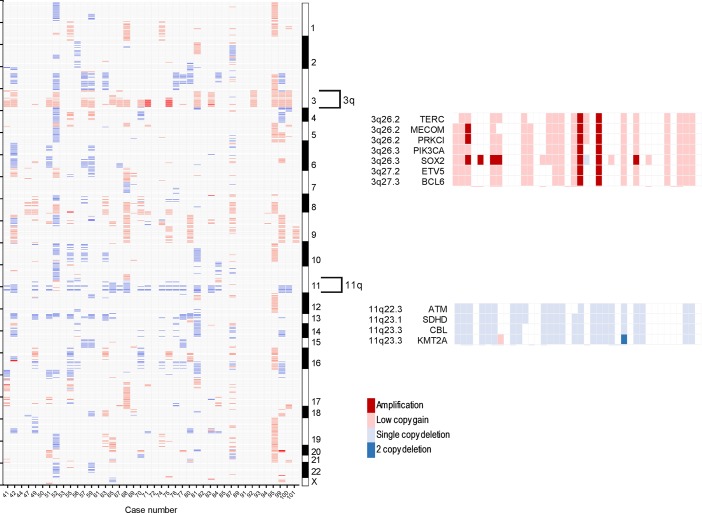
Figure 5. Copy-number alterations in metastatic HPV-associated oropharyngeal cancer.
Copy-number alterations among metastatic HPV+ oropharyngeal tumors (n = 42) arranged by chromosomal band loci (left). Each column represents an individual tumor and corresponding chromosomal gene loci are arranged from top to bottom. Color shading indicates areas of amplification (red) or low copy gain (pink) versus single (light blue) and 2-copy (dark blue) gene deletion. Shown to the right in more detail are regions of recurrent alterations in 3q and 11q with their corresponding gene and genetic loci depicted.

References

    1. Chaturvedi AK, et al. Human papillomavirus and rising oropharyngeal cancer incidence in the United States. J Clin Oncol. 2011;29(32):4294–4301. doi: 10.1200/JCO.2011.36.4596. - DOI - PMC - PubMed
    1. Mehanna H, et al. Prevalence of human papillomavirus in oropharyngeal and nonoropharyngeal head and neck cancer--systematic review and meta-analysis of trends by time and region. Head Neck. 2013;35(5):747–755. doi: 10.1002/hed.22015. - DOI - PubMed
    1. Gillison ML, et al. Evidence for a causal association between human papillomavirus and a subset of head and neck cancers. J Natl Cancer Inst. 2000;92(9):709–720. doi: 10.1093/jnci/92.9.709. - DOI - PubMed
    1. Ang KK, et al. Human papillomavirus and survival of patients with oropharyngeal cancer. N Engl J Med. 2010;363(1):24–35. doi: 10.1056/NEJMoa0912217. - DOI - PMC - PubMed
    1. Fakhry C, et al. Human papillomavirus and overall survival after progression of oropharyngeal squamous cell carcinoma. J Clin Oncol. 2014;32(30):3365–3373. doi: 10.1200/JCO.2014.55.1937. - DOI - PMC - PubMed

MeSH terms