


Collective Emotions: A Case Study of South African Pride, Euphoria and Unity in the Context of the 2010 FIFA World Cup
- PMID: 30186191
- PMCID: PMC6110925
- DOI: 10.3389/fpsyg.2018.01252
Collective Emotions: A Case Study of South African Pride, Euphoria and Unity in the Context of the 2010 FIFA World Cup
Abstract
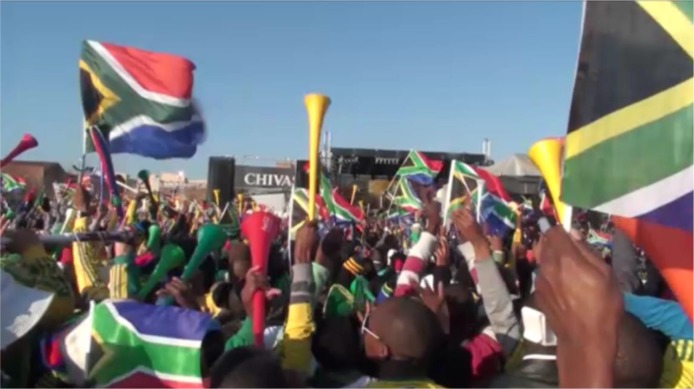
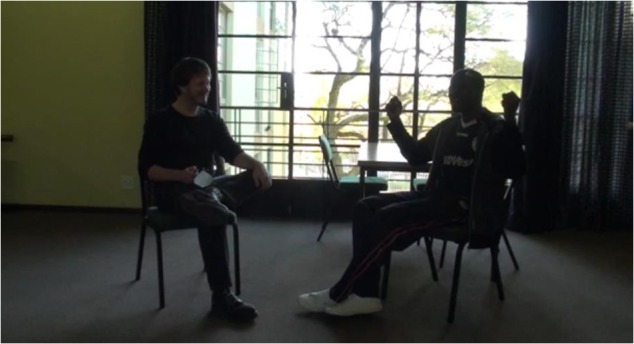
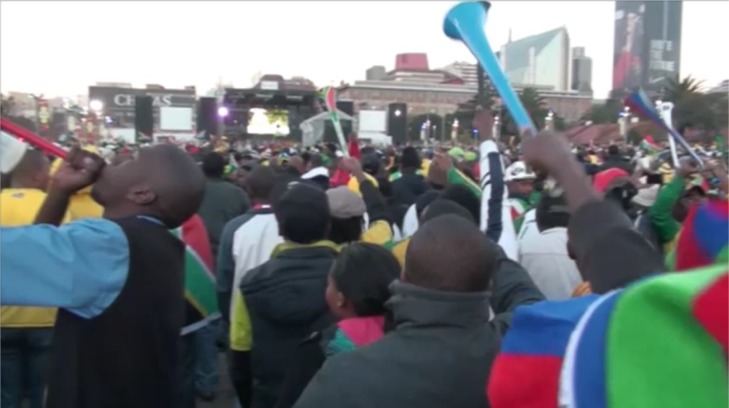
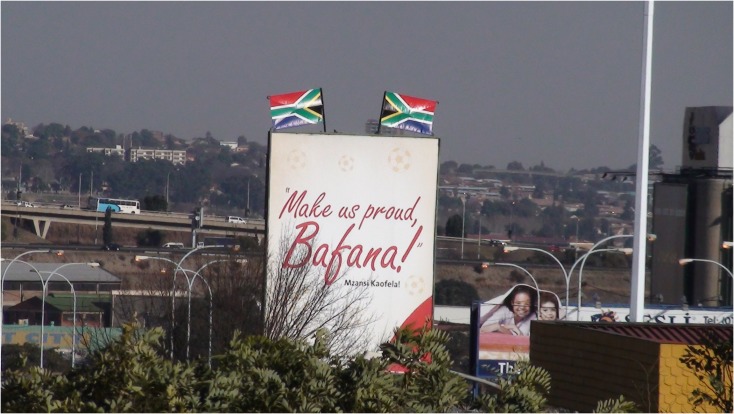
Collective emotions experienced as existing objectively and widely shared challenge traditional views of emotions based on personal or private interests. This paper extends theories of group and crowd emotions focusing on social appraisal, social identity, emotional contagion, and ecstatic nationalism, and adds an interdisciplinary approach to research on international mega-sporting event impacts and legacies by examining the national-level collective emotions produced by a mega-sport event-the 2010 World Cup in South Africa. The novel case study approach triangulates ethnographic observations of life in downtown Johannesburg before and during the World Cup with a critical thematic analysis of qualitative interviews of 10 South Africans and the author's and publicly posted videorecordings of individual and collective behavior. I explore how citizen support for efforts to pursue national projects combined with international attention to generate widespread and genuinely coordinated collective emotions of euphoria and pride. The social ontology-based analysis considers bottom-up and top-down mechanisms of emotional spread and influence along with important expressive-performative contributions of culture-specific forms of group-based and collective action tendencies. Moreover, the study shows how group agency in the form of coordinated ritualistic bases realized group affects spontaneously and normatively as South Africans desired, accepted and celebrated achieving team and host-related group goals. These results provide new insights into the emotions that occur in public events in two phases, (1) creation of collective normative commitment in practice related to group ethos and national interests and goals prior to the tournament start, and (2) during the tournament when dynamic relations between group-based and collective emotions also generated feelings of unity and solidarity. Together they highlight unique predisposing cultural and historical features of the emotional and affective-discursive practices associated with the World Cup for South Africans, limits to the spread of emotions of enthusiasm from urban cities to rural areas, forms of excitement and celebration in public spaces, instances of ambivalence about efforts to enact support for the nation's World Cup team and host role, and indicate how collective emotional experiences are internalized, embodied and reproduced in accounts of national transformation, concerns about fragile intergroup solidarity, and instances of group-based hubristic pride.
Keywords: FIFA Mens World Cup impact; collective emotions; collective pride; crowd behavior; group-based emotions; mega-sport events; social identity theory; social ontology.
Figures

References
-
- Ashkanasy N. M. (2003). “Emotions in organizations: a multilevel perspective,” in Research in Multi-Level Issues. Multi-Level Issues in Organizational Behavior and Strategy Vol. 2 eds Dansereau F., Yammarino F. J. (Oxford: Elsevier; ), 9–54. 10.1016/S1475-9144(03)02002-2 - DOI
-
- Barsade S. G., Gibson D. E. (1998). “Group emotion: a view from top and bottom,” in Research on Managing of Groups and Teams, eds Gruenfeld D., Mannix B., Neale M. (Stamford, CT: JAI Press; ), 81–102.
-
- Billig M. (1995). Banal Nationalism. London: Sage.
LinkOut - more resources
Full Text Sources
Other Literature Sources
