


Does postural stability differ between adolescents with idiopathic scoliosis and typically developed? A systematic literature review and meta-analysis
- PMID: 30186976
- PMCID: PMC6120087
- DOI: 10.1186/s13013-018-0163-1
Does postural stability differ between adolescents with idiopathic scoliosis and typically developed? A systematic literature review and meta-analysis
Abstract
Background: Postural stability deficits have been proposed to influence the onset and progression of adolescent idiopathic scoliosis (AIS). This study aimed to systematically identify, critically evaluate and meta-analyse studies assessing postural stability during unperturbed stance with posturography in AIS compared to typically developed adolescents.
Methods: Studies from four electronic databases (PubMed, Scopus, CINAHL, PEDro) were searched and case-control methodological quality assessed using a risk-of-bias assessment tool and a posturography methodological quality checklist. Pooled data regarding centre of pressure (COP) parameters such as sway area, Mediolateral (ML) and Anteroposterior (AP) position and range were compared for AIS and typically developed adolescents using Cohen's d effect size (ES) and homogeneity estimates.
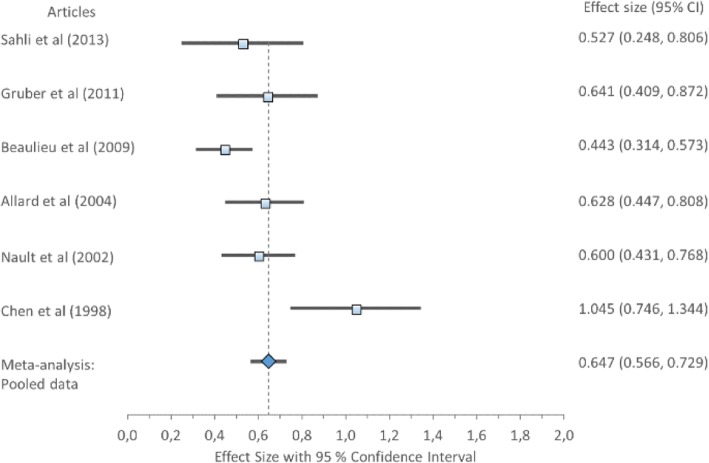
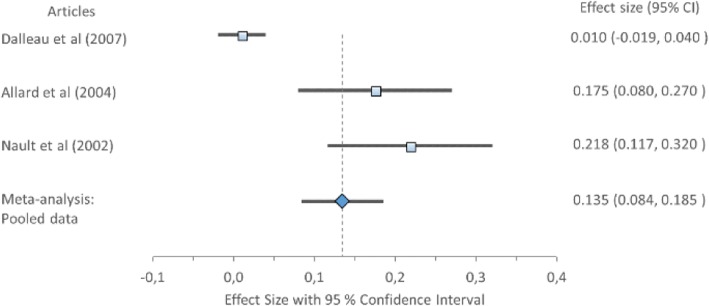
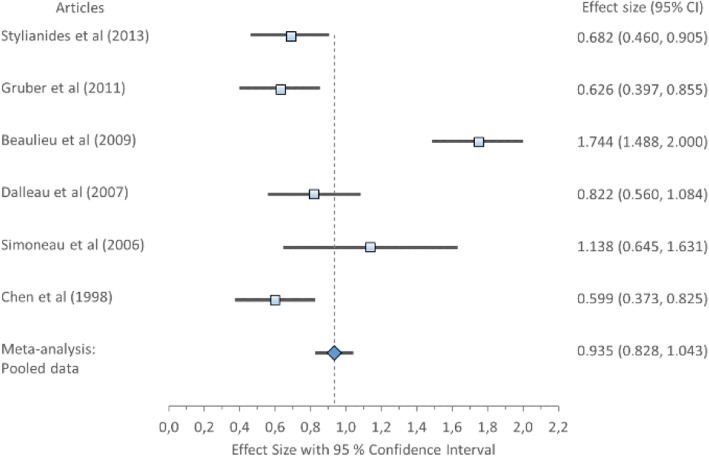
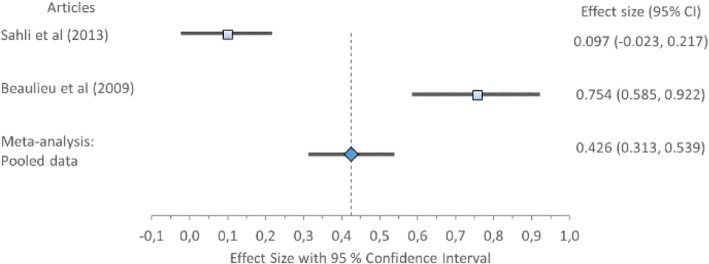
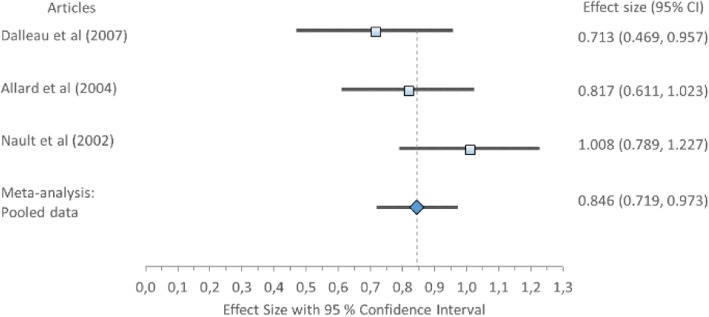
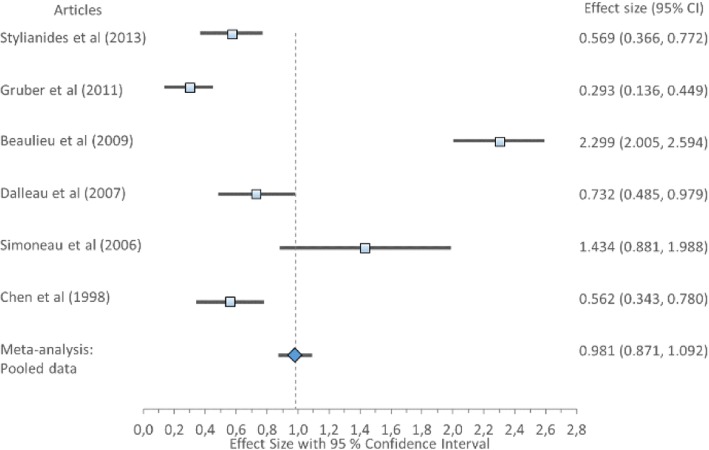
Results: Eighteen studies for quality analysis and 9 of these for meta-analysis were identified from 971 records. Risk-of-bias assessment identified 6 high, 10 moderate and 2 low risk-of-bias studies. The posturography methodological quality checklist identified 4 low, 7 moderate and 7 high-quality studies. Meta-analysis was performed for sway area whereas ML and AP are presented in three different meta-analyses due to divergent measurement units used in the studies: ML position 1 (MLP1), ML position 2 (MLP2) and ML range (MLR); AP position 1 (APP1), AP position 2 (APP2) and AP range (APR). Cohen's d showed a medium ES difference in sway area 0.65, 95% CI (0.49-0.63), whereas ML showed no (MLP1, MLP2) and large (MLR) ES differences; MLP1 0.15, 95% CI (0.08-0.22); MLP2 0.14, 95% CI (0.08-0.19); and MLR 0.94, 95% CI (0.83-1.04). Cohen's d for AP showed small ES (APP1) and large ES difference (APP2 and APR); APP1 0.43, 95% CI (0.31-0.54); APP2 0.85, 95% CI (0.72-0.97); and APR 0.98, 95% CI (0.87-1.09). Cochran's Q and Higgins I2 showed homogeneity between studies.
Conclusions: There is moderate quality evidence for decreased postural stability in AIS measured as COP parameters sway area, ML and AP range with a positional shift posteriorly in the sagittal plane. The findings support studying postural stability in early stage AIS and also prospectively identify cause and effect of the curvature as well as effectiveness of postural control interventions in the prevention of scoliosis progression.
Keywords: Adolescent idiopathic scoliosis; Anteroposterior; Centre of pressure; Force plate; Mediolateral; Postural balance; Postural control; Postural stability; Posturography; Sway area.
Conflict of interest statement
Not applicableNot applicableThe authors declare that they have no competing interests.Springer Nature remains neutral with regard to jurisdictional claims in published maps and institutional affiliations.
Figures


References
-
- Shumway-Cook A, Woollacott MH. A conceptual framework for clinical practice & normal postural control. In: Shumway-Cook A, Woollacott MH, editors. Motor control: translating research into clinical practice. Philadelphia: Wolters Kluwer; 2017. p.141–193.
-
- Latash M, Hadders-Algra M. What is posture and how is it controlled? In: Hadders-Algra M, Brogren Carlberg E, editors. Postural control: a key issue in developmental disorders. London: Mac Keith Press; 2008. pp. 3–21.
-
- Horak FB, Macpherson JM. Postural Orientation and Equilibrium. Compr Physiol. 2011; Suppl 29: 255–292. Handbook of Physiology, Exercise: Regulation and Integration of Multiple Systems: First published in print 1996; 10.1002/cphy.cp120107.
-
- Winter DA. Kinetics: forces and moments of force. Biomechanics & motor control of human movement. USA: John Wiley & Sons Inc; 2009. p.10–11, 26–43, 85–87,107–127, 130–137, 281–289.
Publication types
LinkOut - more resources
Full Text Sources
Other Literature Sources
Research Materials
Miscellaneous