


Prevalence of vulvovaginal candidiasis in gynecological practices in Germany: A retrospective study of 954,186 patients
- PMID: 30186987
- PMCID: PMC6101156
- DOI: 10.18502/cmm.4.1.27
Prevalence of vulvovaginal candidiasis in gynecological practices in Germany: A retrospective study of 954,186 patients
Abstract
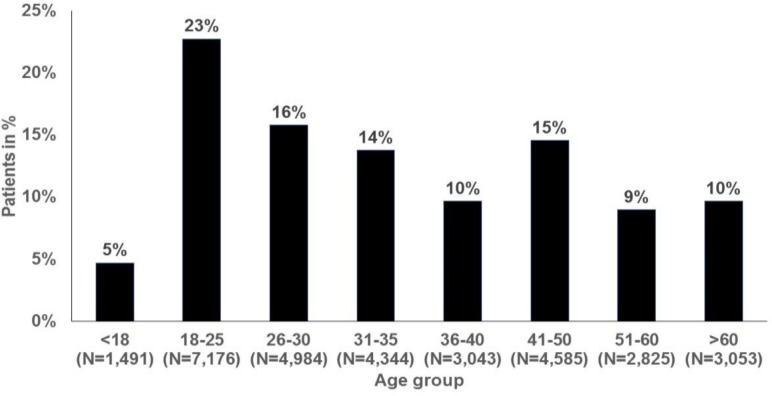
Background and purpose: To the best of our knowledge, no information is available regarding the treatment of vulvovaginal candidiasis in gynecological practices. The goal of this study was to analyze the prevalence of vulvovaginal candidiasis (VVC) and the drugs prescribed for the treatment of this condition in women followed in gynecological practices in Germany.
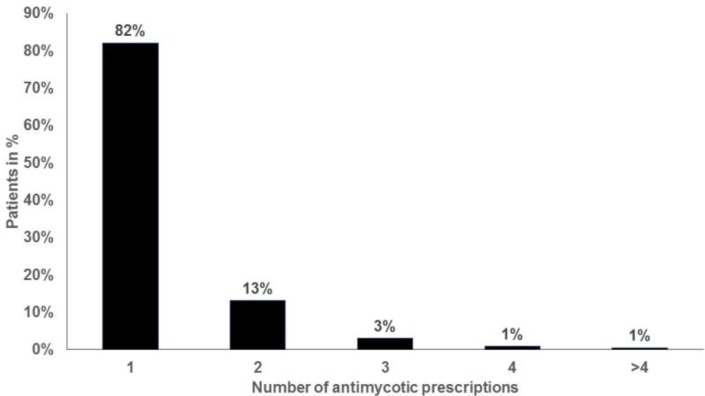
Materials and methods: All the women followed in 262 gynecological practices between November 2014 and October 2016 were included in this study. The first outcome was the prevalence of patients diagnosed with VVC during this period. The second outcome was the prevalence of women with VVC who received an appropriate vaginal or systemic antimycotic prescription within 30 days after their first VVC diagnosis. Covariables included the use of gynecological/systemic antibiotics, consumption of oral/vaginal contraceptives, cancer, pregnancy, diabetes, and psychiatric diseases including depression, anxiety, and adjustment and somatoform disorders.
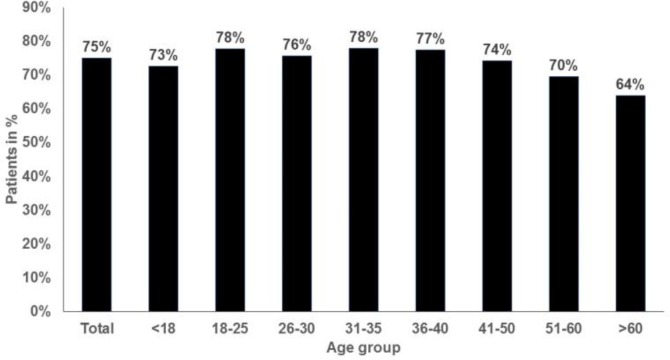
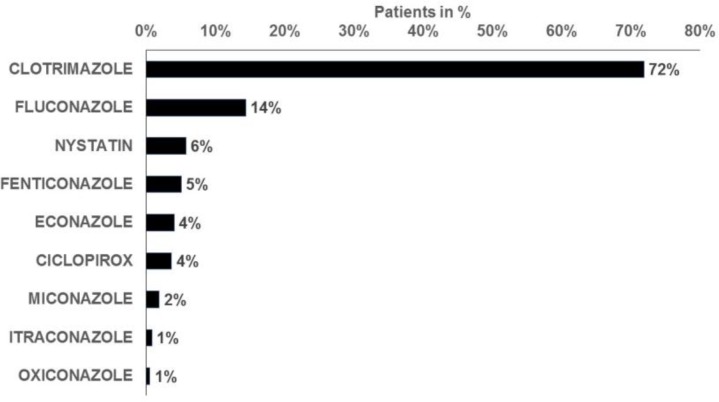
Results: Between 2014 and 2016, 954,186 women were followed in gynecological practices, and 50,279 (5.3%) women were diagnosed with VVC during the same period. The use of gynecological antibiotics (OR=2.88), systemic antibiotics (OR=1.45), oral contraceptives (OR=1.74), and vaginal contraceptives (OR=1.84) were associated with an increase in the risk of VVC diagnosis. Cancer (OR=1.20) and pregnancy (OR=1.59) were additional risk factors. Approximately 75% of women diagnosed with VVC received an antimycotic prescription. The three most frequently prescribed drugs were clotrimazole (72%), fluconazole (14%), and nystatin (6%).
Conclusion: More than 5% of women were diagnosed with VVC and the majority of them received an appropriate prescription.
Keywords: Germany; Gynecological practices; Prescription; Prevalence; Vulvovaginal candidiasis.
Conflict of interest statement
All authors declare that they have no conflicts of interest with respect to the research, authorship, and/or publication of this article.
Figures
References
-
- Corsello S, Spinillo A, Osnengo G, Penna C, Guaschino S, Beltrame A, et al. An epidemiological survey of vulvovaginal candidiasis in Italy. Eur J Obstet Gynecol Reprod Biol. 2003;110(1):66–72. - PubMed
-
- Foxman B, Muraglia R, Dietz JP, Sobel JD, Wagner J. Prevalence of recurrent vulvovaginal candidiasis in 5 European countries and the United States: results from an internet panel survey. J Low Genit Tract Dis. 2013;17(3):340–5. - PubMed
-
- Geiger AM, Foxman B. Risk factors for vulvovaginal candidiasis: a case-control study among university students. Epidemiology. 1996;7(2):182–7. - PubMed
-
- Eckert LO, Hawes SE, Stevens CE, Koutsky LA, Eschenbach DA, Holmes KK. Vulvovaginal candidiasis: clinical manifestations, risk factors, management algorithm. Obstet Gynecol. 1998;92(5):757–65. - PubMed
LinkOut - more resources
Full Text Sources
Other Literature Sources