Detecting past and ongoing natural selection among ethnically Tibetan women at high altitude in Nepal
- PMID: 30188897
- PMCID: PMC6143271
- DOI: 10.1371/journal.pgen.1007650
Detecting past and ongoing natural selection among ethnically Tibetan women at high altitude in Nepal
Abstract
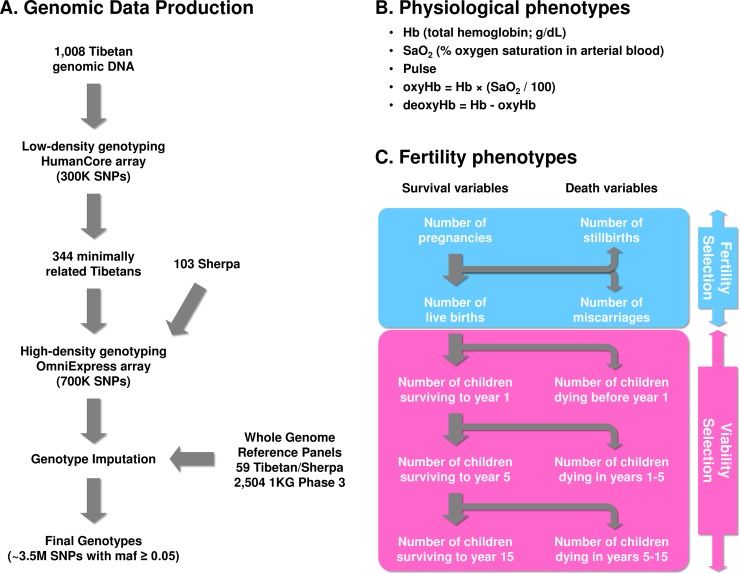
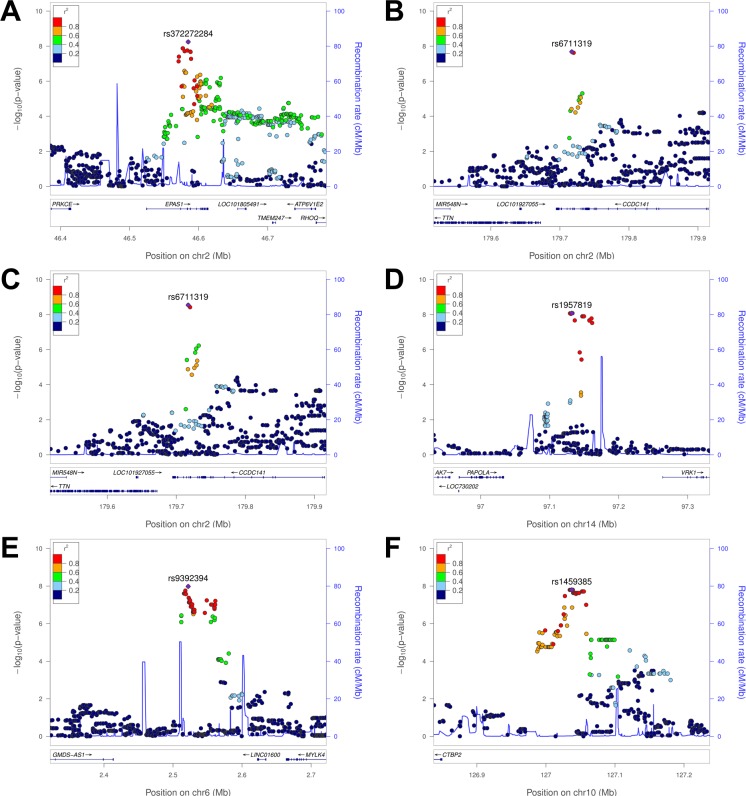
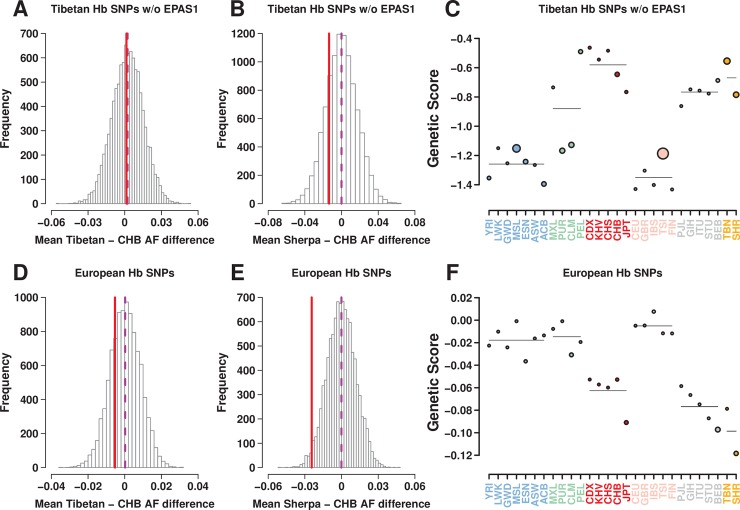
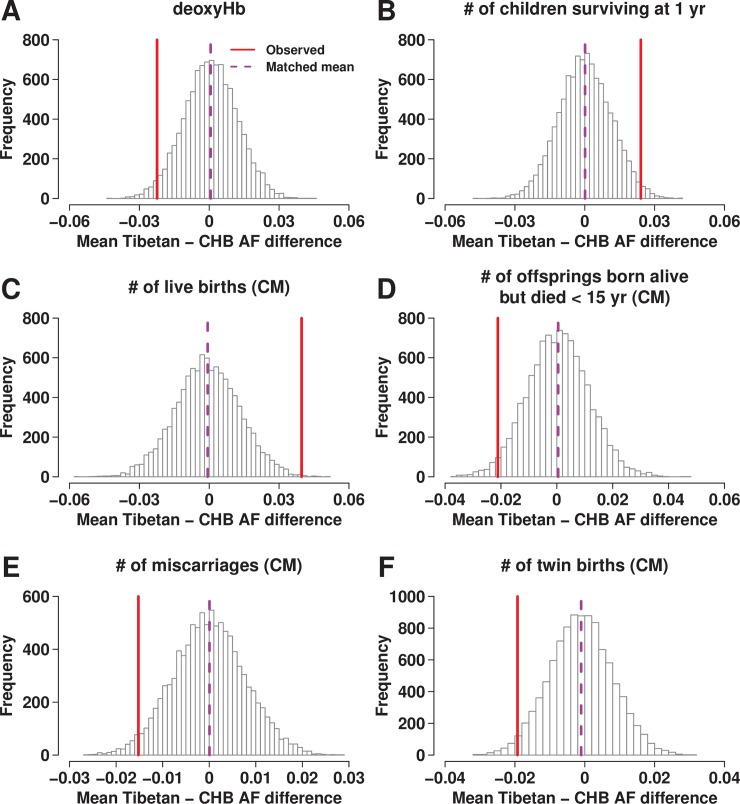
Adaptive evolution in humans has rarely been characterized for its whole set of components, i.e. selective pressure, adaptive phenotype, beneficial alleles and realized fitness differential. We combined approaches for detecting polygenic adaptations and for mapping the genetic bases of physiological and fertility phenotypes in approximately 1000 indigenous ethnically Tibetan women from Nepal, adapted to high altitude. The results of genome-wide association analyses and tests for polygenic adaptations showed evidence of positive selection for alleles associated with more pregnancies and live births and evidence of negative selection for those associated with higher offspring mortality. Lower hemoglobin level did not show clear evidence for polygenic adaptation, despite its strong association with an EPAS1 haplotype carrying selective sweep signals.
Conflict of interest statement
The authors have declared that no competing interests exist.
Figures
References
-
- Roberts DF. Body weight, race and climate. Am J Phys Anthropol 1953; 11: 533–558. - PubMed
Publication types
MeSH terms
Substances
Associated data
Grants and funding
LinkOut - more resources
Full Text Sources
Other Literature Sources
Miscellaneous