


Unraveling the bioactivity of anticancer peptides as deduced from machine learning
- PMID: 30190664
- PMCID: PMC6123611
- DOI: 10.17179/excli2018-1447
Unraveling the bioactivity of anticancer peptides as deduced from machine learning
Abstract
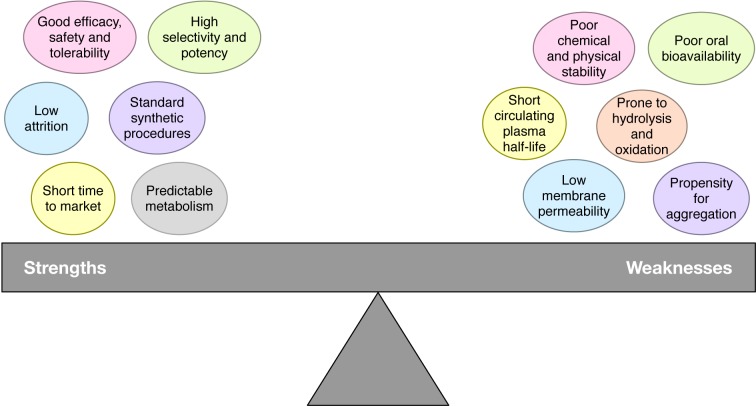
Cancer imposes a global health burden as it represents one of the leading causes of morbidity and mortality while also giving rise to significant economic burden owing to the associated expenditures for its monitoring and treatment. In spite of advancements in cancer therapy, the low success rate and recurrence of tumor has necessitated the ongoing search for new therapeutic agents. Aside from drugs based on small molecules and protein-based biopharmaceuticals, there has been an intense effort geared towards the development of peptide-based therapeutics owing to its favorable and intrinsic properties of being relatively small, highly selective, potent, safe and low in production costs. In spite of these advantages, there are several inherent weaknesses that are in need of attention in the design and development of therapeutic peptides. An abundance of data on bioactive and therapeutic peptides have been accumulated over the years and the burgeoning area of artificial intelligence has set the stage for the lucrative utilization of machine learning to make sense of these large and high-dimensional data. This review summarizes the current state-of-the-art on the application of machine learning for studying the bioactivity of anticancer peptides along with future outlook of the field. Data and R codes used in the analysis herein are available on GitHub at https://github.com/Shoombuatong2527/anticancer-peptides-review.
Keywords: QSAR; anticancer; anticancer peptides; antitumor; bioactivity; cancer; host defense peptides; machine learning.
Figures
References
-
- Akbar S, Hayat M, Iqbal M, Jan MA. iACP-GAEnsC: Evolutionary genetic algorithm based ensemble classification of anticancer peptides by utilizing hybrid feature space. Artif Intell Med. 2017;79:62–70. - PubMed
-
- Arnold M, Karim-Kos HE, Coebergh JW, Byrnes G, Antilla A, Ferlay J, et al. Recent trends in incidence of five common cancers in 26 European countries since 1988: Analysis of the European Cancer Observatory. Eur J Cancer. 2015;51:1164–87. - PubMed
Publication types
LinkOut - more resources
Full Text Sources