


Challenges in the Diagnosis of Magnesium Status
- PMID: 30200431
- PMCID: PMC6163803
- DOI: 10.3390/nu10091202
Challenges in the Diagnosis of Magnesium Status
Abstract
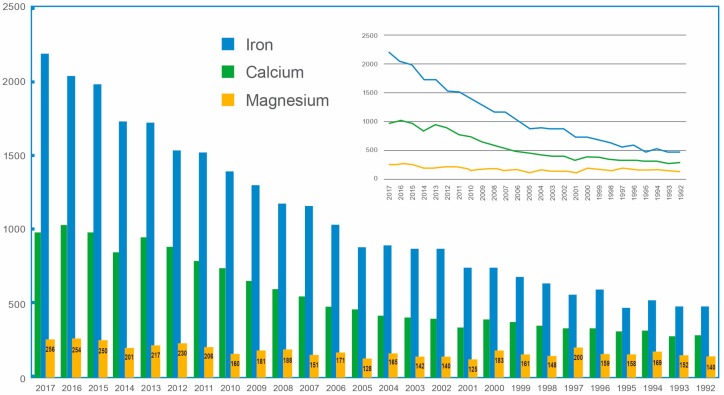
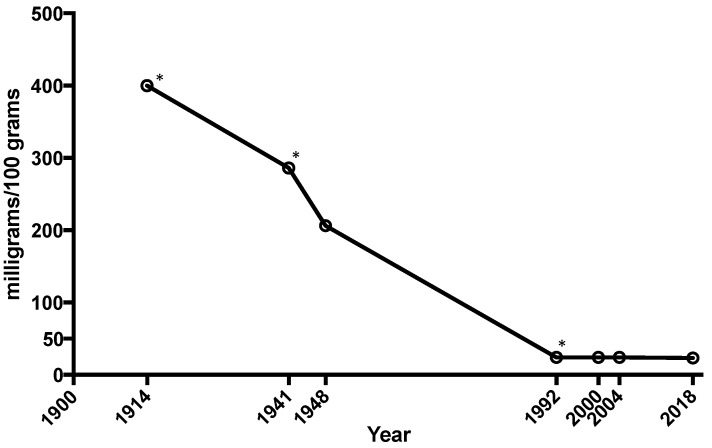
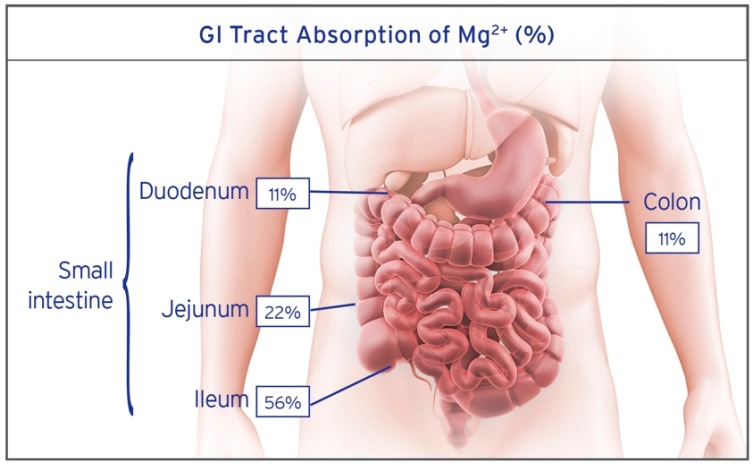
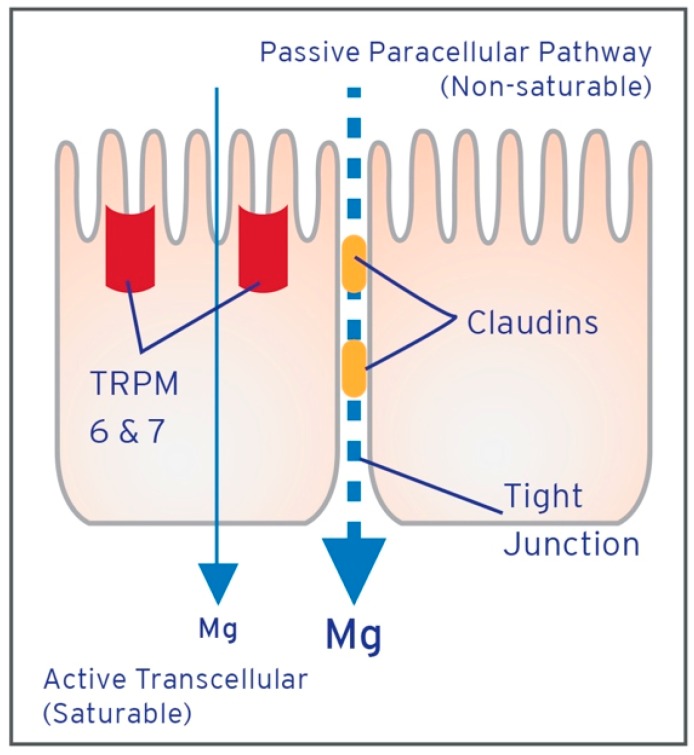
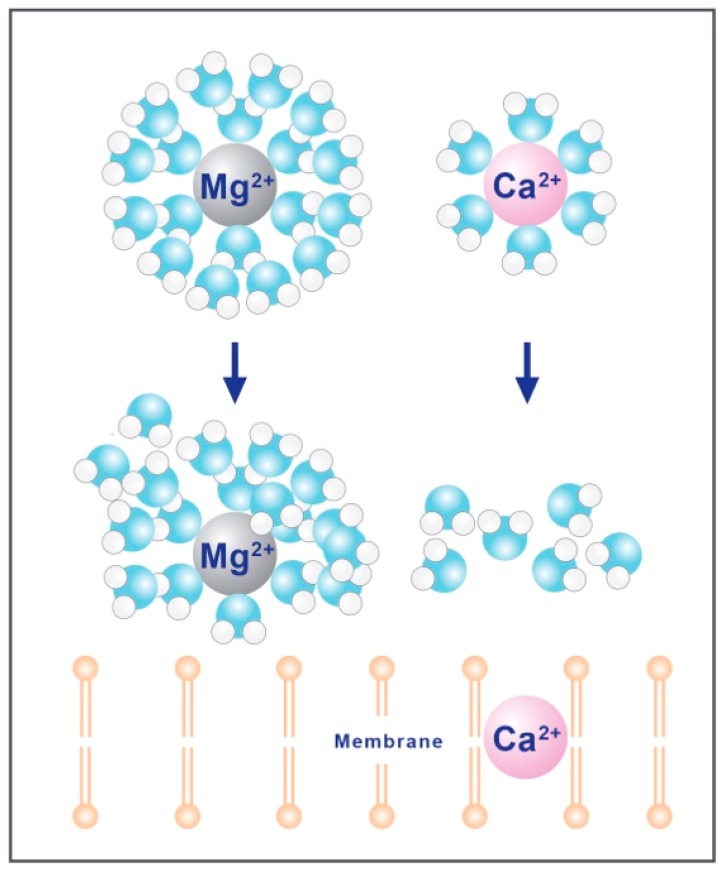
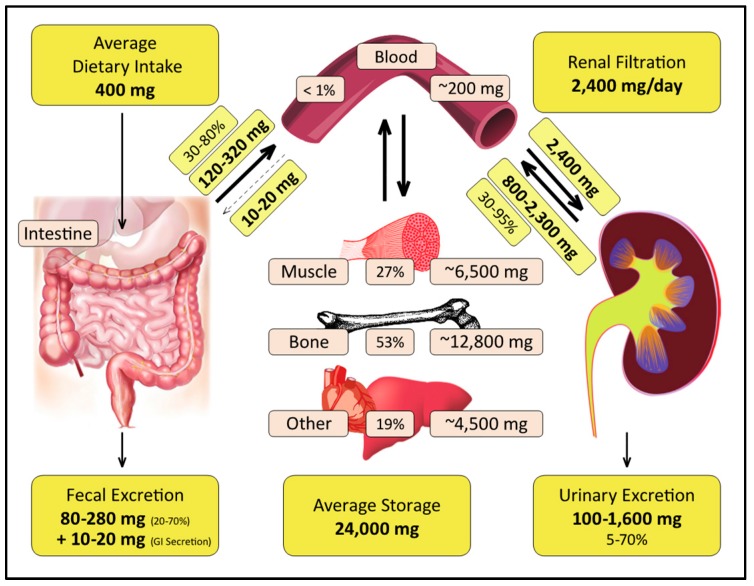
Magnesium is a critical mineral in the human body and is involved in ~80% of known metabolic functions. It is currently estimated that 60% of adults do not achieve the average dietary intake (ADI) and 45% of Americans are magnesium deficient, a condition associated with disease states like hypertension, diabetes, and neurological disorders, to name a few. Magnesium deficiency can be attributed to common dietary practices, medications, and farming techniques, along with estimates that the mineral content of vegetables has declined by as much as 80⁻90% in the last 100 years. However, despite this mineral's importance, it is poorly understood from several standpoints, not the least of which is its unique mechanism of absorption and sensitive compartmental handling in the body, making the determination of magnesium status difficult. The reliance on several popular sample assays has contributed to a great deal of confusion in the literature. This review will discuss causes of magnesium deficiency, absorption, handling, and compartmentalization in the body, highlighting the challenges this creates in determining magnesium status in both clinical and research settings.
Keywords: magnesium; magnesium absorption; magnesium assays; magnesium deficiency; magnesium sampling; magnesium status.
Conflict of interest statement
R.P.D. was a paid consultant for Balchem Corporation during the drafting of this manuscript and sits on the Balchem Scientific Advisory Board.
Figures
References
-
- McCarthy J.T., Kumar R. Atlas of Diseases of the Kidney: Divalent Cation: Magnesium. Current Medicine; Philadelphia, PA, USA: 1999.
Publication types
MeSH terms
Substances
LinkOut - more resources
Full Text Sources
Other Literature Sources
Medical
