


Comprehensive off-target analysis of dCas9-SAM-mediated HIV reactivation via long noncoding RNA and mRNA profiling
- PMID: 30200981
- PMCID: PMC6131778
- DOI: 10.1186/s12920-018-0394-2
Comprehensive off-target analysis of dCas9-SAM-mediated HIV reactivation via long noncoding RNA and mRNA profiling
Abstract
Background: CRISPR/CAS9 (epi)genome editing revolutionized the field of gene and cell therapy. Our previous study demonstrated that a rapid and robust reactivation of the HIV latent reservoir by a catalytically-deficient Cas9 (dCas9)-synergistic activation mediator (SAM) via HIV long terminal repeat (LTR)-specific MS2-mediated single guide RNAs (msgRNAs) directly induces cellular suicide without additional immunotherapy. However, potential off-target effect remains a concern for any clinical application of Cas9 genome editing and dCas9 epigenome editing. After dCas9 treatment, potential off-target responses have been analyzed through different strategies such as mRNA sequence analysis, and functional screening. In this study, a comprehensive analysis of the host transcriptome including mRNA, lncRNA, and alternative splicing was performed using human cell lines expressing dCas9-SAM and HIV-targeting msgRNAs.
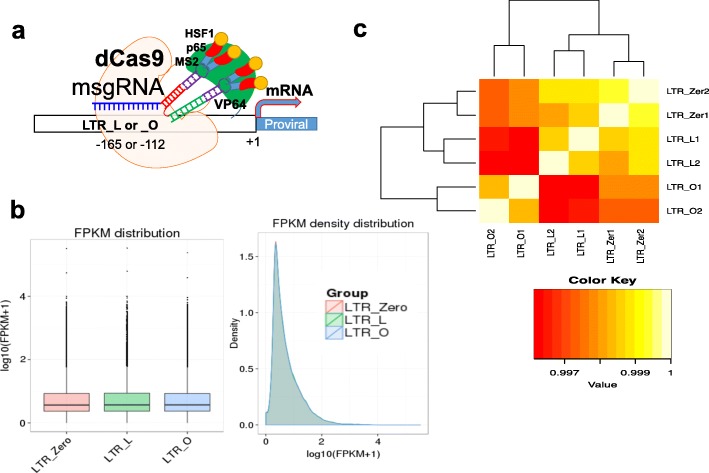
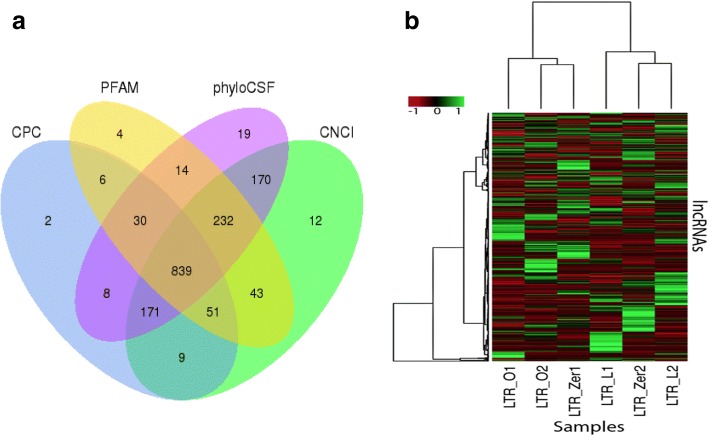
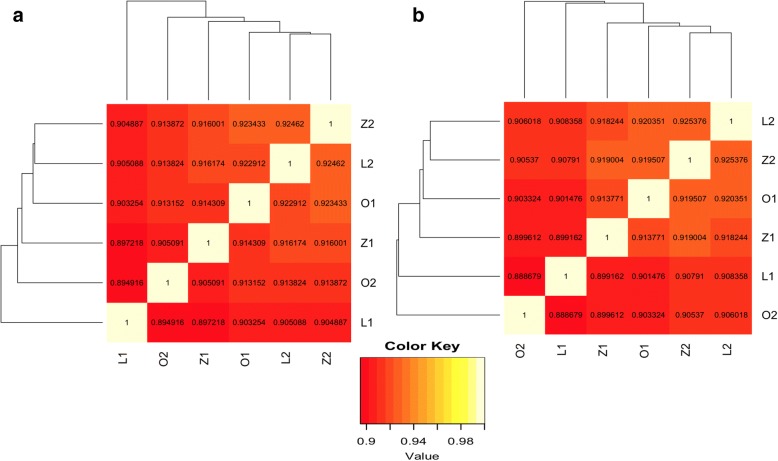
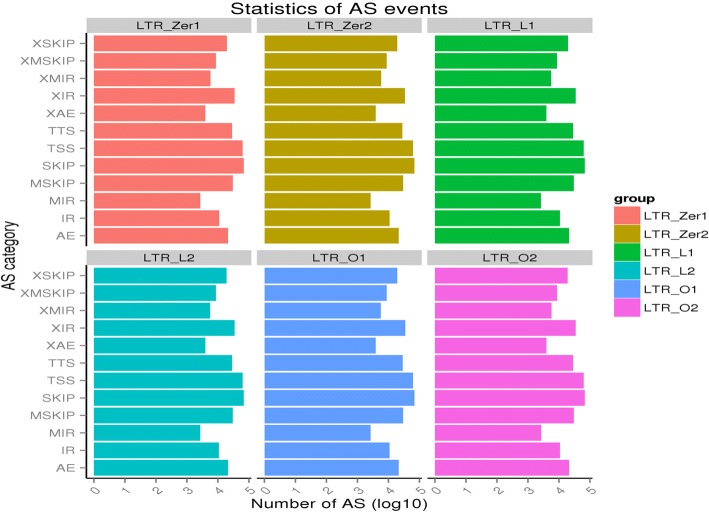
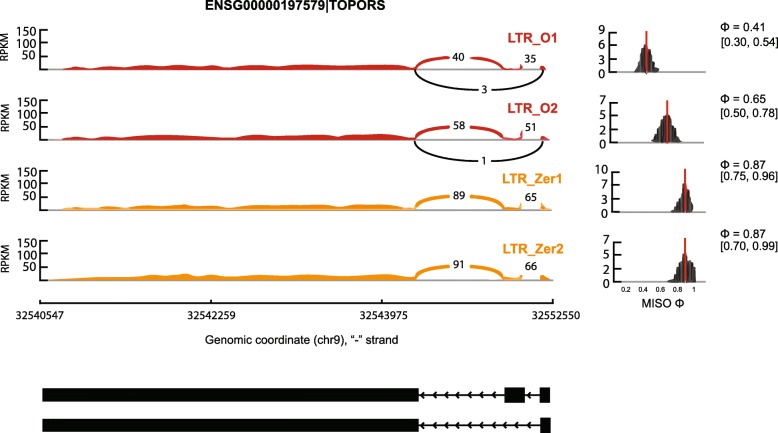
Results: The control scrambled msgRNA (LTR_Zero), and two LTR-specific msgRNAs (LTR_L and LTR_O) groups show very similar expression profiles of the whole transcriptome. Among 839 identified lncRNAs, none exhibited significantly different expression in LTR_L vs. LTR_Zero group. In LTR_O group, only TERC and scaRNA2 lncRNAs were significantly decreased. Among 142,791 mRNAs, four genes were differentially expressed in LTR_L vs. LTR_Zero group. There were 21 genes significantly downregulated in LTR_O vs. either LTR_Zero or LTR_L group and one third of them are histone related. The distributions of different types of alternative splicing were very similar either within or between groups. There were no apparent changes in all the lncRNA and mRNA transcripts between the LTR_L and LTR_Zero groups.
Conclusion: This is an extremely comprehensive study demonstrating the rare off-target effects of the HIV-specific dCas9-SAM system in human cells. This finding is encouraging for the safe application of dCas9-SAM technology to induce target-specific reactivation of latent HIV for an effective "shock-and-kill" strategy.
Keywords: CRISPR; Genome editing; HIV; Latency; Off-target; RNA sequencing; Shock and kill; Transcriptome.
Conflict of interest statement
Competing interests
The authors declare that they have no competing interests.
Publisher’s Note
Springer Nature remains neutral with regard to jurisdictional claims in published maps and institutional affiliations.
Figures
References
Publication types
MeSH terms
Substances
Grants and funding
LinkOut - more resources
Full Text Sources
Other Literature Sources
Research Materials
