


Chemical Sensing Employing Plant Electrical Signal Response-Classification of Stimuli Using Curve Fitting Coefficients as Features
- PMID: 30201898
- PMCID: PMC6164410
- DOI: 10.3390/bios8030083
Chemical Sensing Employing Plant Electrical Signal Response-Classification of Stimuli Using Curve Fitting Coefficients as Features
Abstract
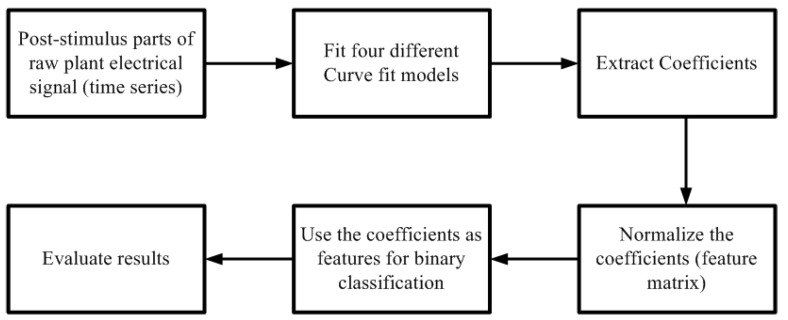
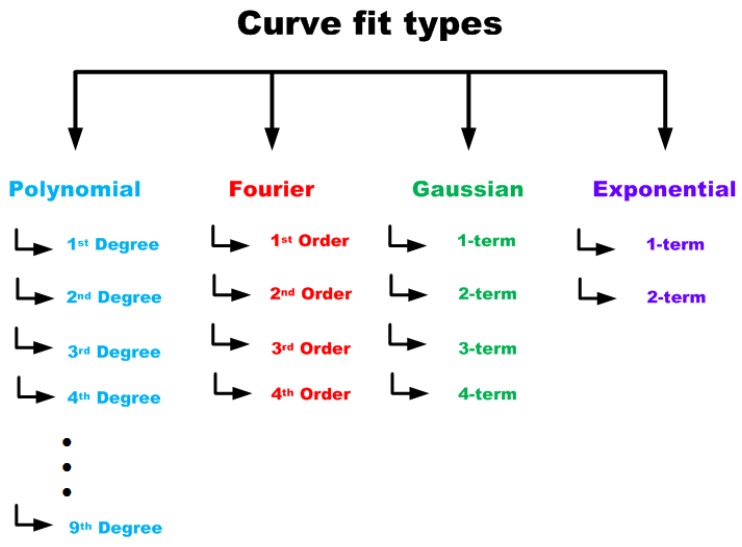
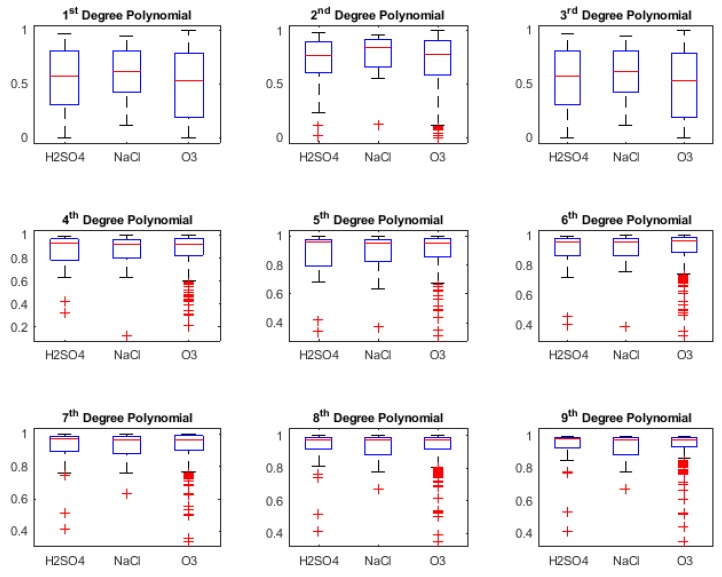
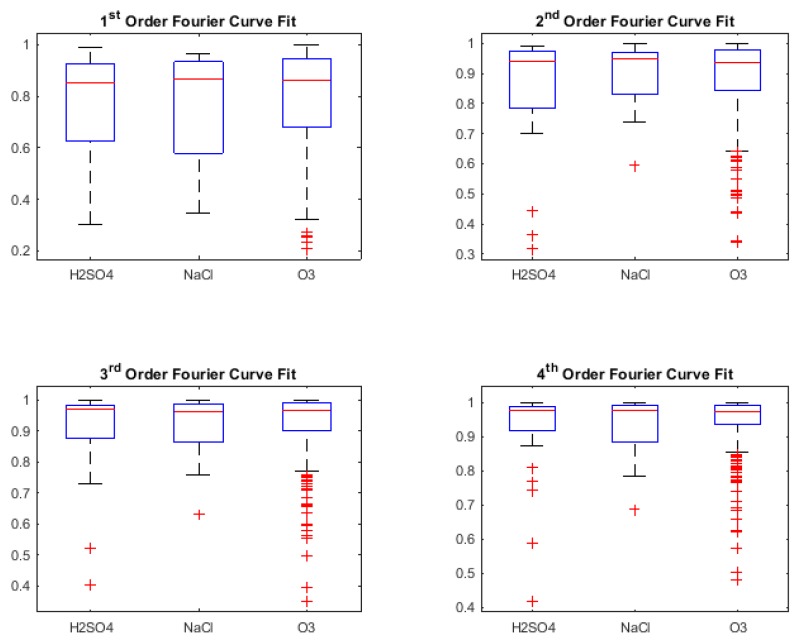
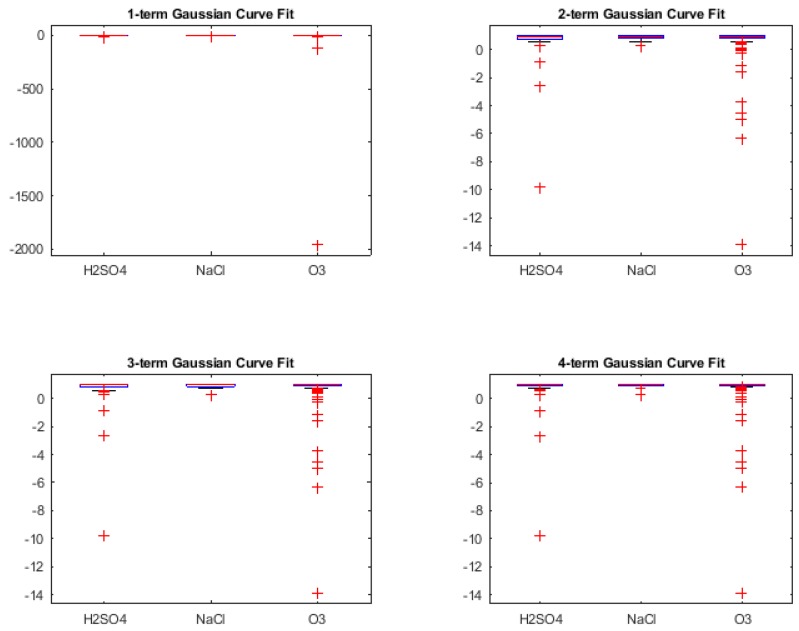
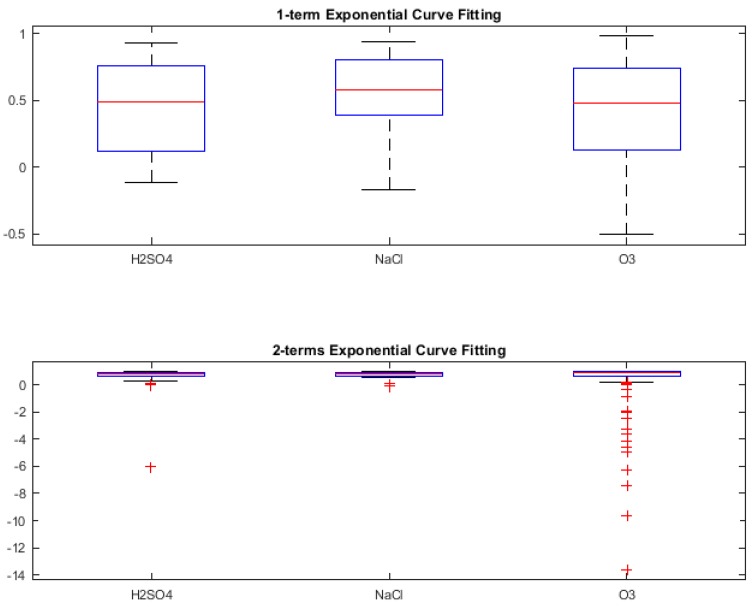
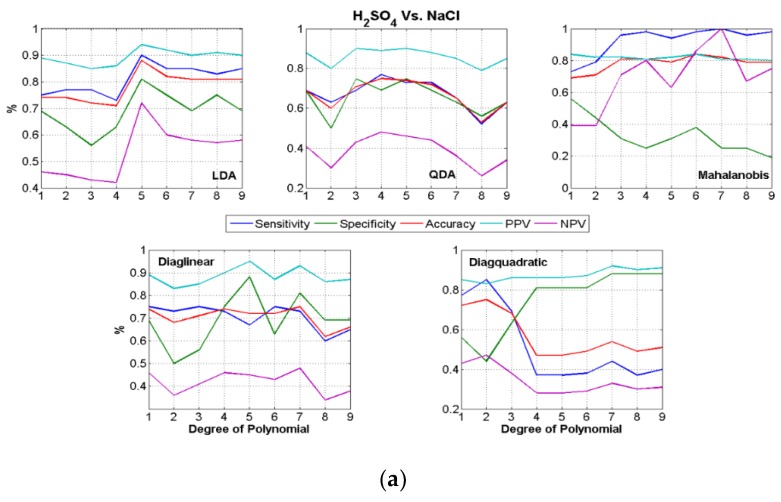
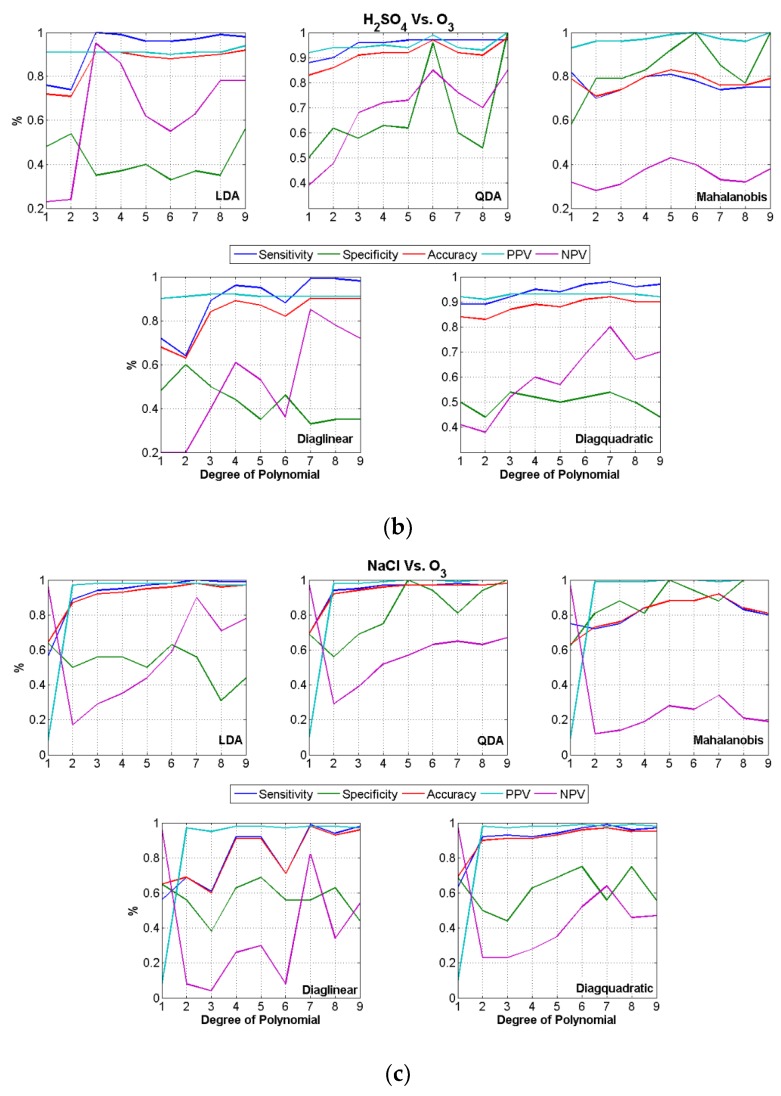
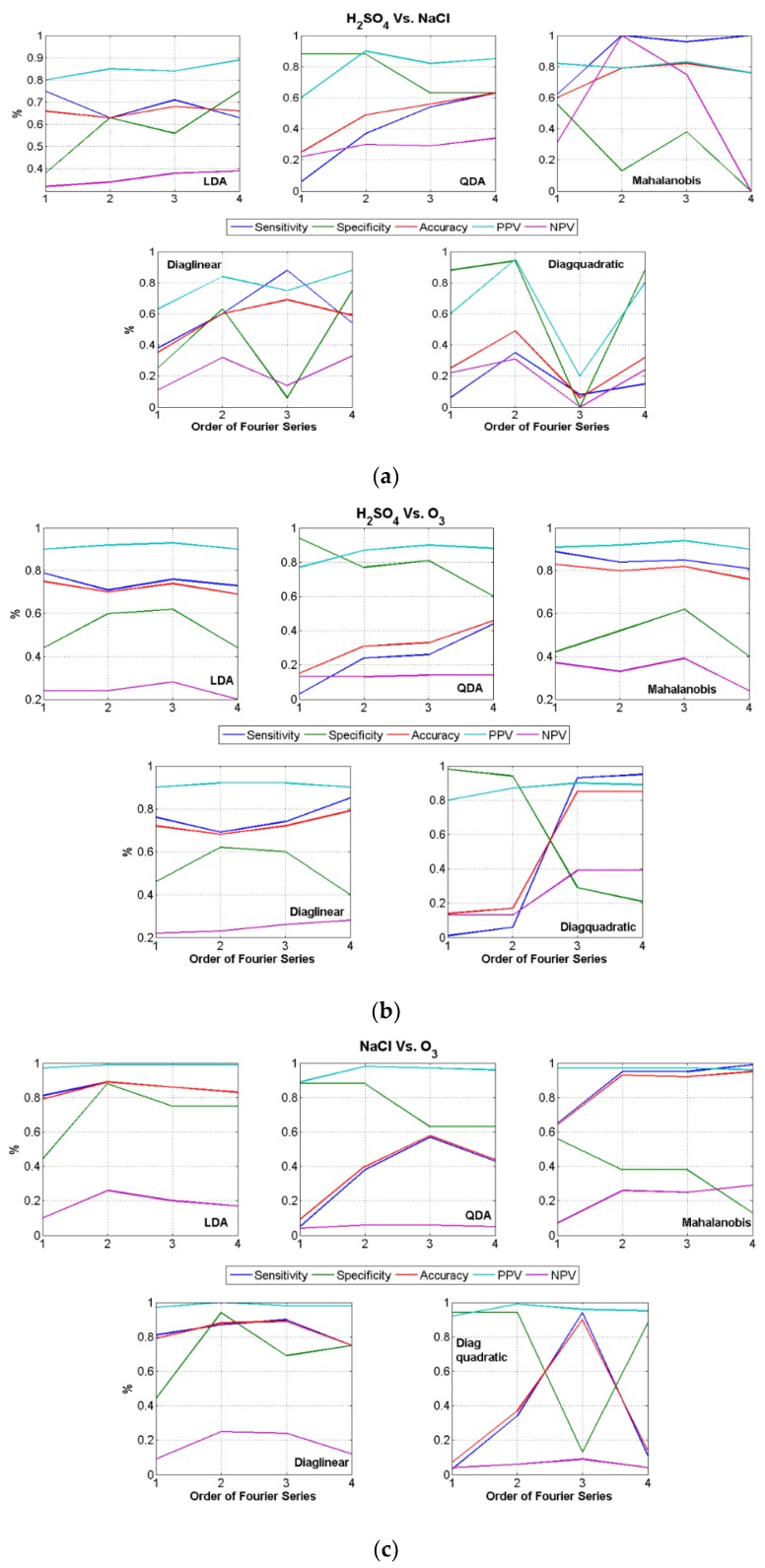
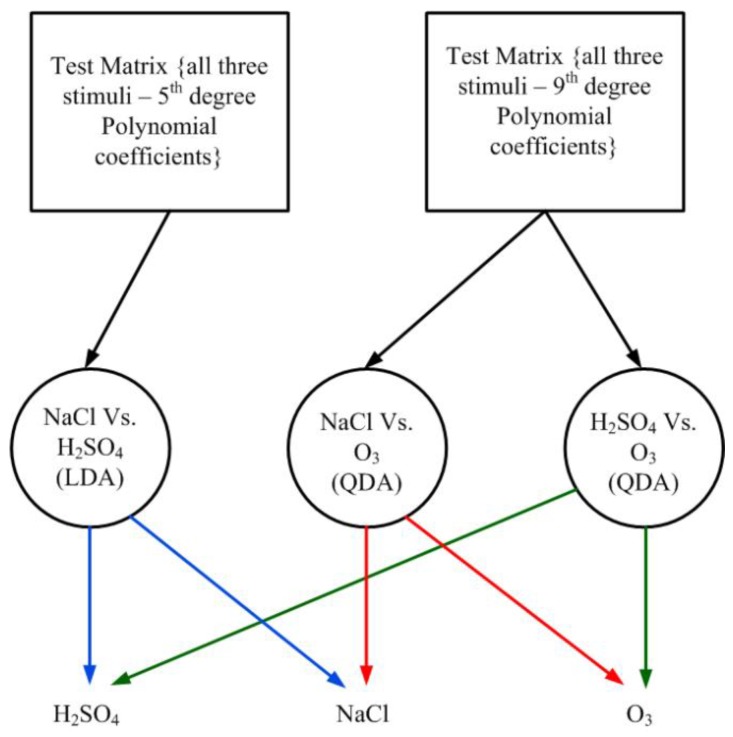
In order to exploit plants as environmental biosensors, previous researches have been focused on the electrical signal response of the plants to different environmental stimuli. One of the important outcomes of those researches has been the extraction of meaningful features from the electrical signals and the use of such features for the classification of the stimuli which affected the plants. The classification results are dependent on the classifier algorithm used, features extracted and the quality of data. This paper presents an innovative way of extracting features from raw plant electrical signal response to classify the external stimuli which caused the plant to produce such a signal. A curve fitting approach in extracting features from the raw signal for classification of the applied stimuli has been adopted in this work, thereby evaluating whether the shape of the raw signal is dependent on the stimuli applied. Four types of curve fitting models-Polynomial, Gaussian, Fourier and Exponential, have been explored. The fitting accuracy (i.e., fitting of curve to the actual raw signal) depicted through R-squared values has allowed exploration of which curve fitting model performs best. The coefficients of the curve fit models were then used as features. Thereafter, using simple classification algorithms such as Linear Discriminant Analysis (LDA), Quadratic Discriminant Analysis (QDA) etc. within the curve fit coefficient space, we have verified that within the available data, above 90% classification accuracy can be achieved. The successful hypothesis taken in this work will allow further research in implementing plants as environmental biosensors.
Keywords: classification; curve fitting; plant electrical signals.
Conflict of interest statement
The authors declare no conflicts of interest.
Figures
References
-
- Abbasi A.Z., Islam N., Shaikh Z.A., Islam N., Shaikh Z.A. A review of wireless sensors and networks’ applications in agriculture. Comput. Stand. Interfaces. 2014;36:263–270.
-
- Zerger A., Rossel R.V., Swain D., Wark T., Handcock R.N., Doerr V., Bishop-Hurley G., Doerr E., Gibbons P., Lobsey C. Environmental sensor networks for vegetation, animal and soil sciences. Int. J. Appl. Earth Obs. Geoinf. 2010;12:303–316. doi: 10.1016/j.jag.2010.05.001. - DOI
-
- Hart J.K., Martinez K. Environmental Sensor Networks: A revolution in the earth system science? Earth-Sci. Rev. 2006;78:177–191. doi: 10.1016/j.earscirev.2006.05.001. - DOI
-
- Volkov A.G. Green plants: Electrochemical interfaces. J. Electroanal. Chem. 2000;483:150–156. doi: 10.1016/S0022-0728(99)00497-0. - DOI
MeSH terms
LinkOut - more resources
Full Text Sources
Other Literature Sources
