


The Misunderstood Coagulopathy of Liver Disease: A Review for the Acute Setting
- PMID: 30202500
- PMCID: PMC6123093
- DOI: 10.5811/westjem.2018.7.37893
The Misunderstood Coagulopathy of Liver Disease: A Review for the Acute Setting
Abstract
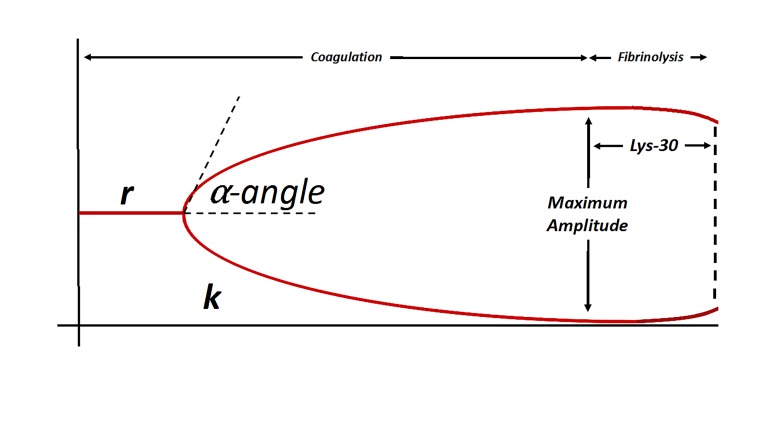
The international normalized ratio (INR) represents a clinical tool to assess the effectiveness of vitamin-K antagonist therapy. However, it is often used in the acute setting to assess the degree of coagulopathy in patients with hepatic cirrhosis or acute liver failure. This often influences therapeutic decisions about invasive procedures or the need for potentially harmful and unnecessary transfusions of blood product. This may not represent a best-practice or evidence-based approach to patient care. The author performed a review of the literature related to the utility of INR in cirrhotic patients using several scientific search engines. Despite the commonly accepted dogma that an elevated INR in a cirrhotic patient corresponds with an increased hemorrhagic risk during the performance of invasive procedures, the literature does not support this belief. Furthermore, the need for blood-product transfusion prior to an invasive intervention is not supported by the literature, as this practice increases the risk of complications associated with a patient's hospital course. Many publications ranging from case studies to meta-analyses refute this evidence and provide examples of thrombotic events despite elevated INR values. Alternative methods, such as thromboelastogram, represent alternate means of assessing in vivo risk of hemorrhage in patients with acute or chronic liver disease in real-time in the acute setting.
Conflict of interest statement
Conflicts of Interest: By the WestJEM article submission agreement, all authors are required to disclose all affiliations, funding sources and financial or management relationships that could be perceived as potential sources of bias. No author has professional or financial relationships with any companies that are relevant to this study. There are no conflicts of interest or sources of funding to declare.
Figures
References
-
- Kim W, Brown RS, Terrault NA, et al. Burden of liver disease in the United States: summary of a workshop. Hepatology. 2002;36(1):227–42. - PubMed
-
- Younossi ZM, Stepanova M, Afendy M, et al. Changes in the prevalence of the most common causes of chronic liver diseases in the United States from 1988 to 2008. Clin Gastroenterol Hepatol. 2011;9(6):524–30.e1. - PubMed
-
- Blachier M, Leleu H, Peck-Radosavljevic M, et al. The burden of liver disease in Europe: a review of available epidemiological data. J Hepatol. 2013;58(3):593–608. - PubMed
-
- Sandler RS, Everhart JE, Donowitz M, et al. The burden of selected digestive diseases in the United States. Gastroenterology. 2002;122(5):1500–11. - PubMed
-
- Bernal W, Auzinger G, Dhawan A, et al. Acute liver failure. Lancet. 2010;376(9736):190–201. - PubMed