


Phenolic Compounds in Honey and Their Associated Health Benefits: A Review
- PMID: 30208664
- PMCID: PMC6225430
- DOI: 10.3390/molecules23092322
Phenolic Compounds in Honey and Their Associated Health Benefits: A Review
Abstract
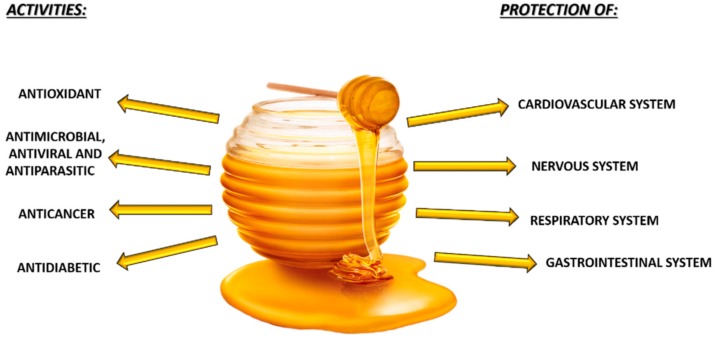
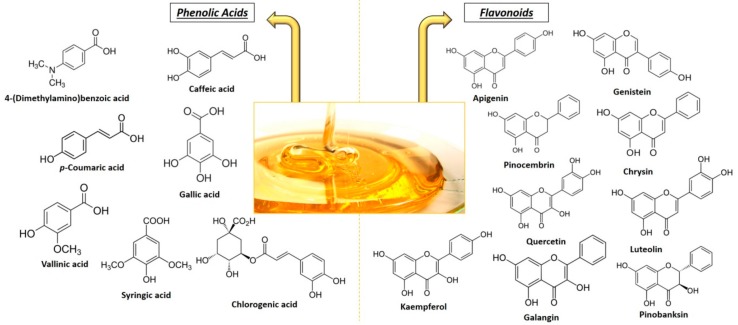
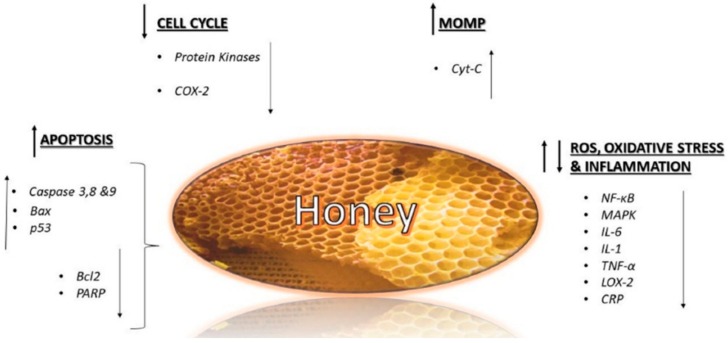
Honey is a natural substance appreciated for its therapeutic abilities since ancient times. Its content in flavonoids and phenolic acids plays a key role on human health, thanks to the high antioxidant and anti-inflammatory properties that they exert. Honey possesses antimicrobial capacity and anticancer activity against different types of tumors, acting on different molecular pathways that are involved on cellular proliferation. In addition, an antidiabetic activity has also been highlighted, with the reduction of glucose, fructosamine, and glycosylated hemoglobin serum concentration. Honey exerts also a protective effect in the cardiovascular system, where it mainly prevents the oxidation of low-density lipoproteins, in the nervous system, in the respiratory system against asthma and bacterial infections, and in the gastrointestinal system. A beneficial effect of honey can also be demonstrated in athletes. The purpose of this review is to summarize and update the current information regarding the role of honey in health and diseases.
Keywords: antimicrobial activities; antioxidants; cancer; diabetes; disease prevention; honey; polyphenols.
Conflict of interest statement
The authors declare no conflict of interest.
Figures
References
Publication types
MeSH terms
Substances
LinkOut - more resources
Full Text Sources
Other Literature Sources
