


Revision of Eocene electric rays (Torpediniformes, Batomorphii) from the Bolca Konservat-Lagerstätte, Italy, reveals the first fossil embryo in situ in marine batoids and provides new insights into the origin of trophic novelties in coral reef fishes
- PMID: 30210265
- PMCID: PMC6130837
- DOI: 10.1080/14772019.2017.1371257
Revision of Eocene electric rays (Torpediniformes, Batomorphii) from the Bolca Konservat-Lagerstätte, Italy, reveals the first fossil embryo in situ in marine batoids and provides new insights into the origin of trophic novelties in coral reef fishes
Abstract
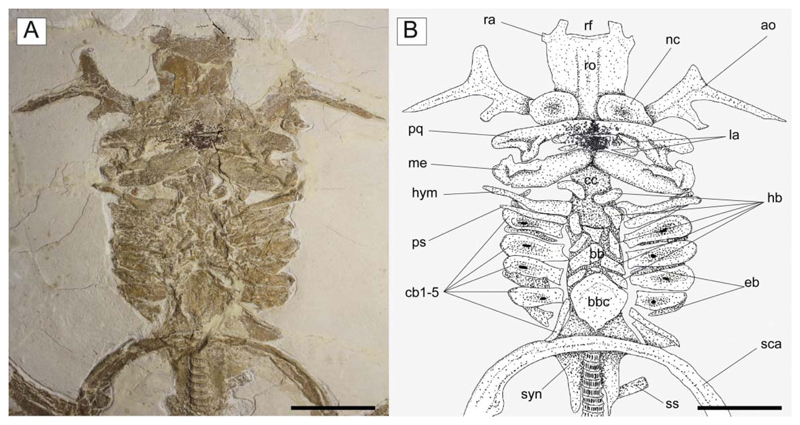
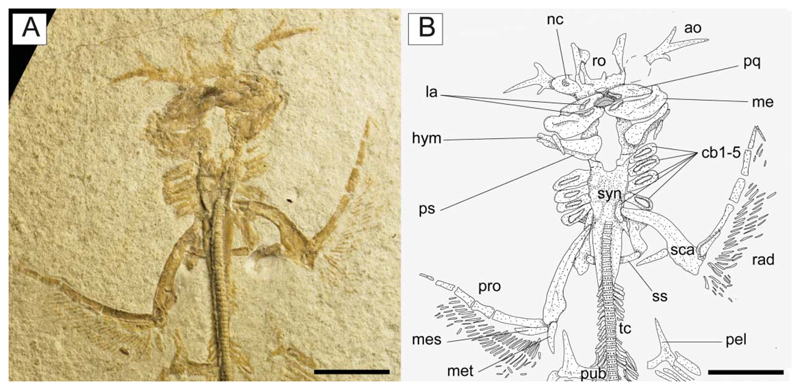
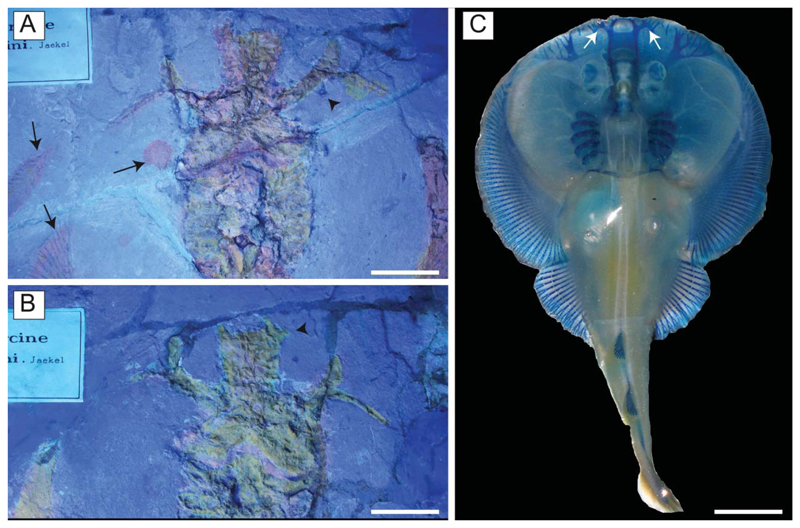
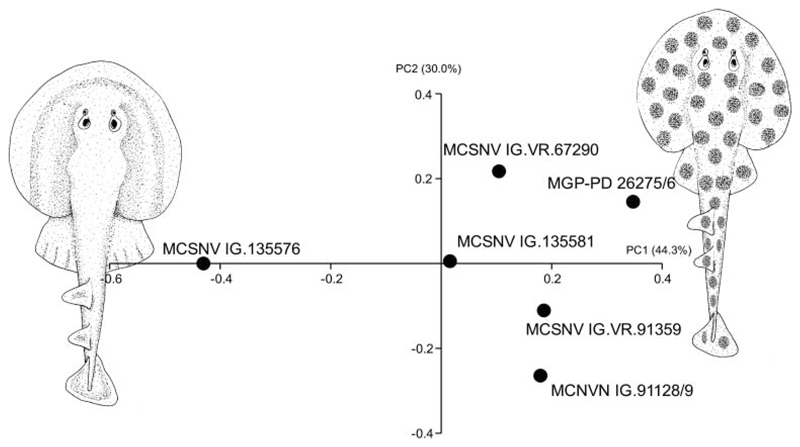
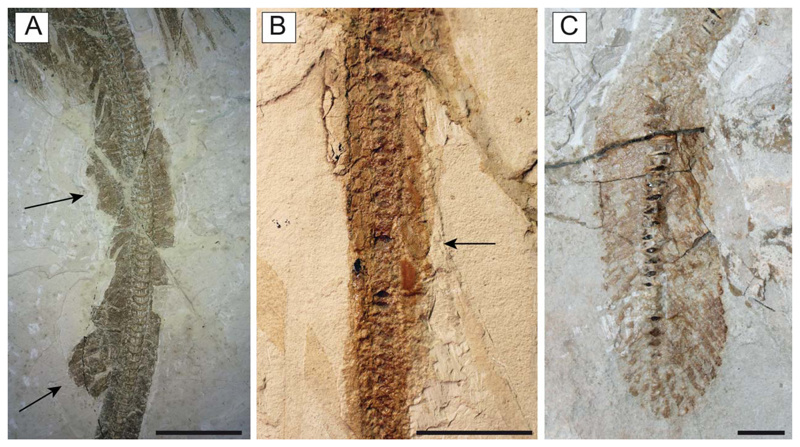
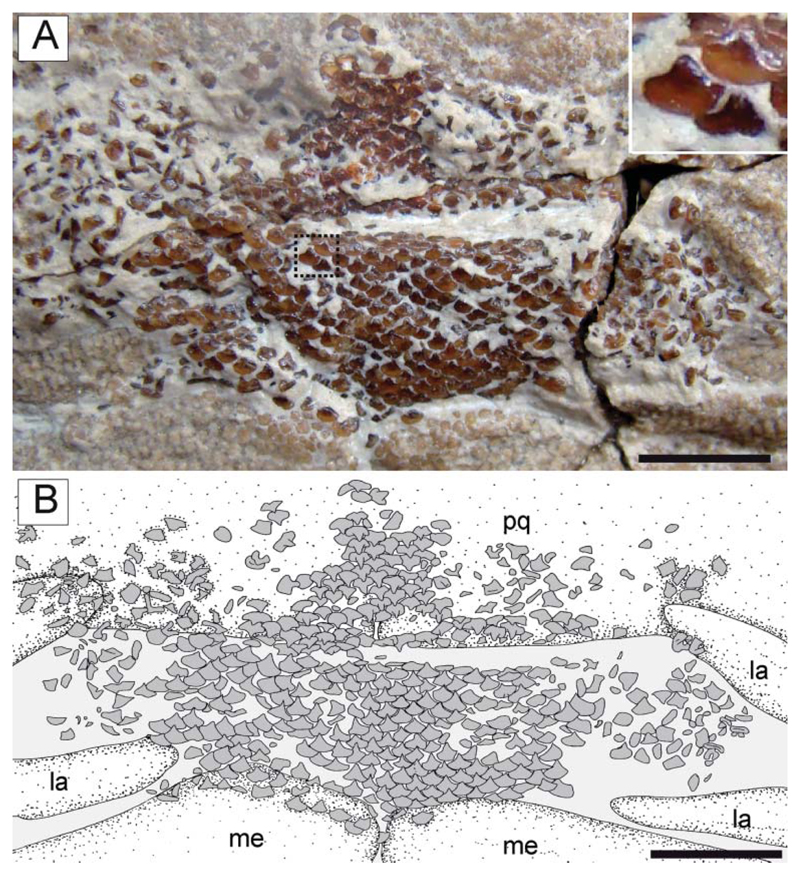
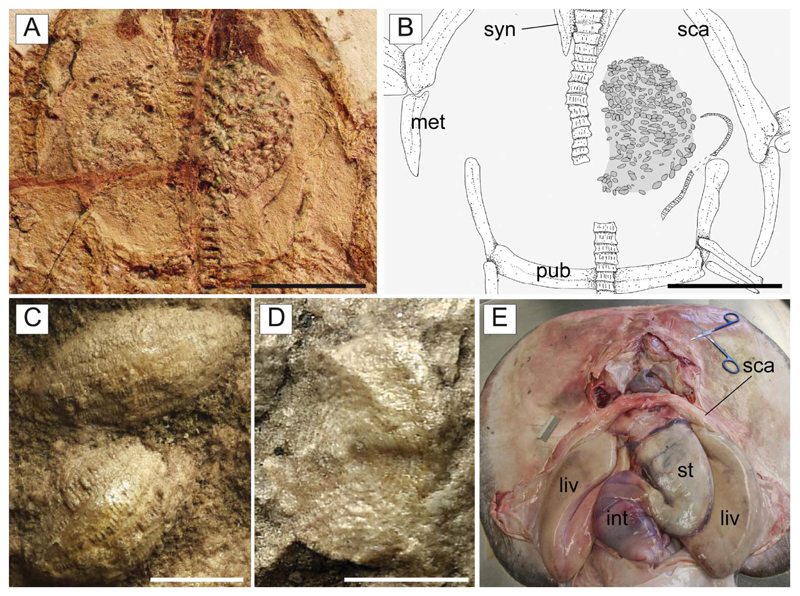
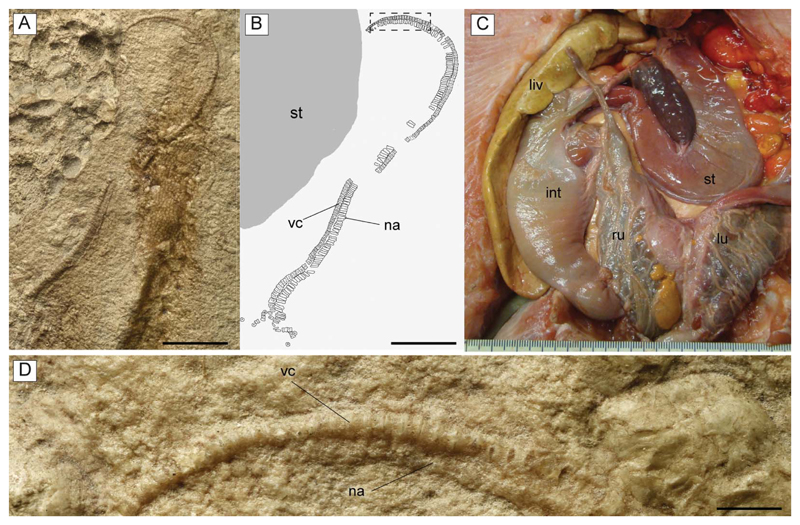
The Eocene electric ray †Titanonarke Carvalho, 2010 from the Bolca Konservat-Lagerstätte, north-eastern Italy, is redescribed in detail based upon new material from recent excavations. This taxon exhibits a combination of features (large voids between the pectoral and the axial skeleton filled in life by electric organs, anteriorly directed fan-shaped antorbital cartilages, lack of dermal denticles, long prepelvic processes, and rounded basibranchial copula with a small caudal tab) that clearly supports its assignment to the order Torpediniformes. The analysis of new material also demonstrates that the previous apparent absence of typical narcinoid characters used to diagnose †Titanonarke was the result of taphonomic biases. †Titanonarke shares at least three synapomorphies (presence of a rostral fontanelle, low number of ribs, and rostral cartilage connected to the antorbital cartilage through lateral appendices) with the extant genera Benthobatis, Diplobatis, Discopyge and Narcine, with which it forms a clade (family Narcinidae) recognized herein as unquestionably monophyletic. Moreover, based upon a single specimen of †Titanonarke that exhibits a unique combination of morphometric and meristic features, a new species of Eocene numbfish †T. megapterygia sp. nov., is recognized. The presence of several specimens representing different ontogenetic stages of at least two species of numbfishes suggests a close association of this taxon with shallow-water habitats corresponding to coral reefs as hypothesized for the Monte Postale palaeoenvironment. The occurrence of a fossilized marine batoid embryo is reported here for the first time. Moreover, the analysis of the gut contents suggests that the dietary adaptations of †Titanonarke can be related, at least in part, to an opportunistic strategy in the context of abundant larger foraminifera in the Monte Postale palaeobiotope, suggesting that this kind of feeding mode, known to occur in present-day reefs, already was realized 50 million years ago.
Keywords: Chondrichthyes; Elasmobranchii; embryo; gut content; morphology; phylogeny.
Figures
References
-
- Adnet S. Nouvelles faunes de selaciens (Elasmobranchii, Neoselachii) de l’Eocene moyen des Landes (Sud-Ouest, France). Implication dans la connaissance des communautes d’eaux profondes. Palaeo Ichthyologica. 2006;10:1–128.
-
- Adnet S, Cappetta H, Tabuce R. A Middle–Late Eocene vertebrate fauna (marine fish and mammals) from southwestern Morocco; preliminary report: age and palaeobiogeographical implications. Geological Magazine. 2010;147:860–870.
-
- Alcock A. A note on the deep-sea fishes, with descriptions of some new genera and species, including another probably vivparous Ophidioid. Annals and Magazine of Natural History, (Series 7) 1898;2:136–156.
-
- Alessandrello A. A revision of the annelids from the Eocene of Monte Bolca (Verona, Italy) Studi e ricerche sui giacimenti terziari di Bolca. 1990;6:175–214.
-
- Amalfitano J, Dalla Vecchia FM, Giusberti L, Fornaciari E, Luciani V, Roghi G. Direct evidence of trophic interaction between a large lamniform shark, Cretodus sp., and a marine turtle from the Cretaceous of northeastern Italy. Palaeogeography, Palaeoclimatology, Palaeoecology. 2017;469:104–121.
Grants and funding
LinkOut - more resources
Full Text Sources
Other Literature Sources
Molecular Biology Databases