


Effects of platelet-rich plasma in the treatment of plantar fasciitis: A meta-analysis of randomized controlled trials
- PMID: 30212938
- PMCID: PMC6156022
- DOI: 10.1097/MD.0000000000012110
Effects of platelet-rich plasma in the treatment of plantar fasciitis: A meta-analysis of randomized controlled trials
Abstract
Background: Plantar fasciitis is a common cause of heel pain, which often results in significant morbidity. There have been several treatment options that are used for plantar fasciitis, including nonsteroidal anti-inflammatory drugs, orthoses, physical therapy, and steroid injections.
Objectives: The aim of this meta-analysis was to compare the effects of platelet-rich plasma (PRP) and other treatments in patients with plantar fasciitis.
Search methods: Medline, Web of Science, and Embase were systematically searched to identify relevant trials.
Selection criteria: Randomized controlled trials (RCTs) that compared the effects of PRP and other treatments on plantar fasciitis were included.
Data collection and analysis: The main outcomes included changes from baseline in visual analog scale (VAS) score, American Orthopaedic Foot and Ankle Society Score (AOFAS), and Roles-Maudsley score (RMS). Results were expressed as weight mean difference (WMD) with 95% confidence interval (95% CI). The meta-analysis was performed using a fixed-effects or random-effects model according to heterogeneity.
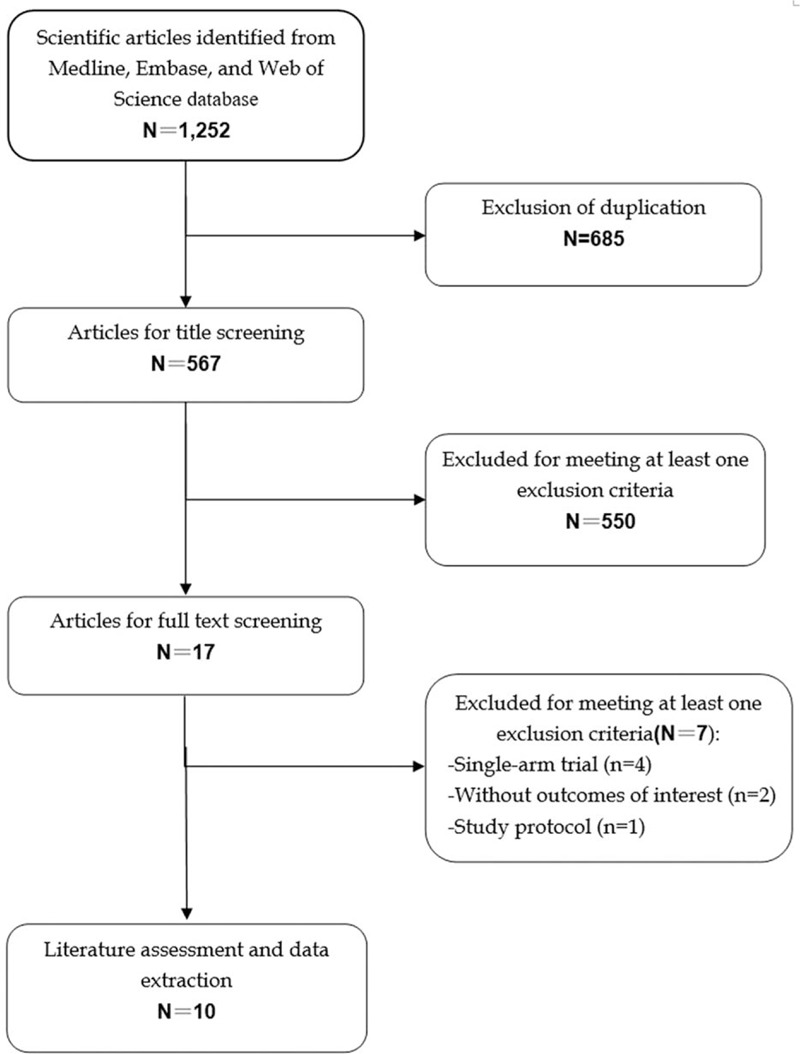
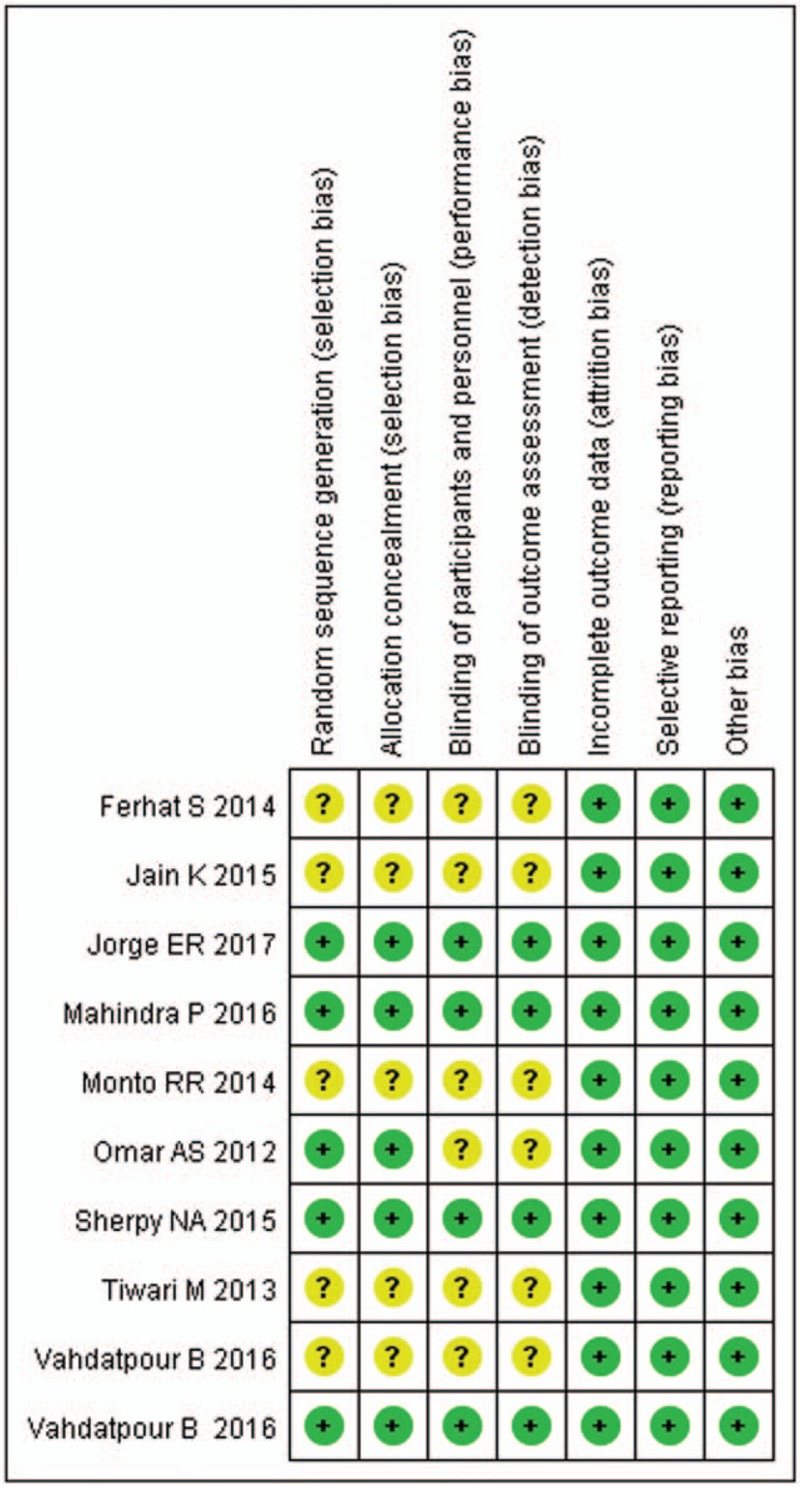
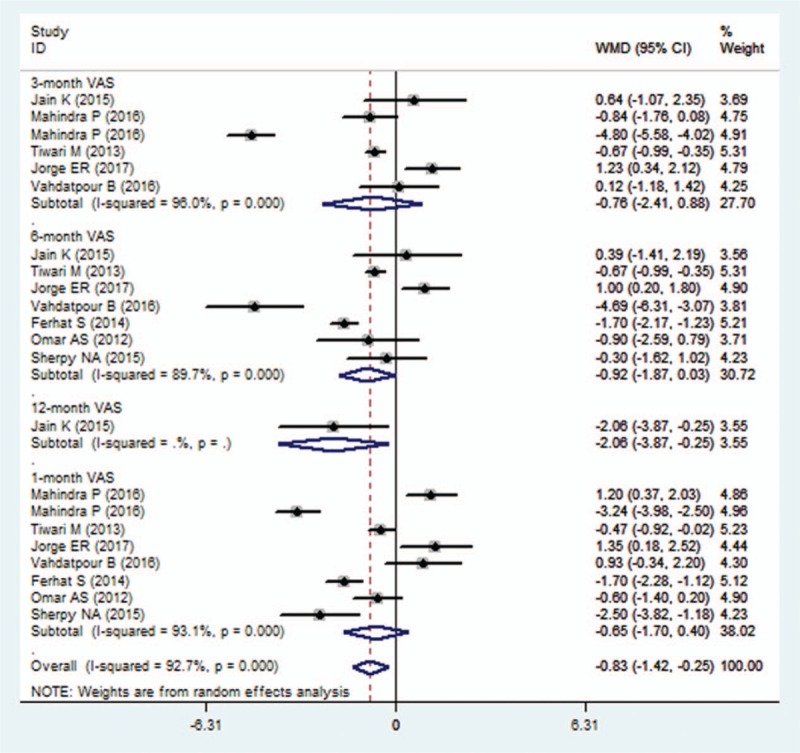
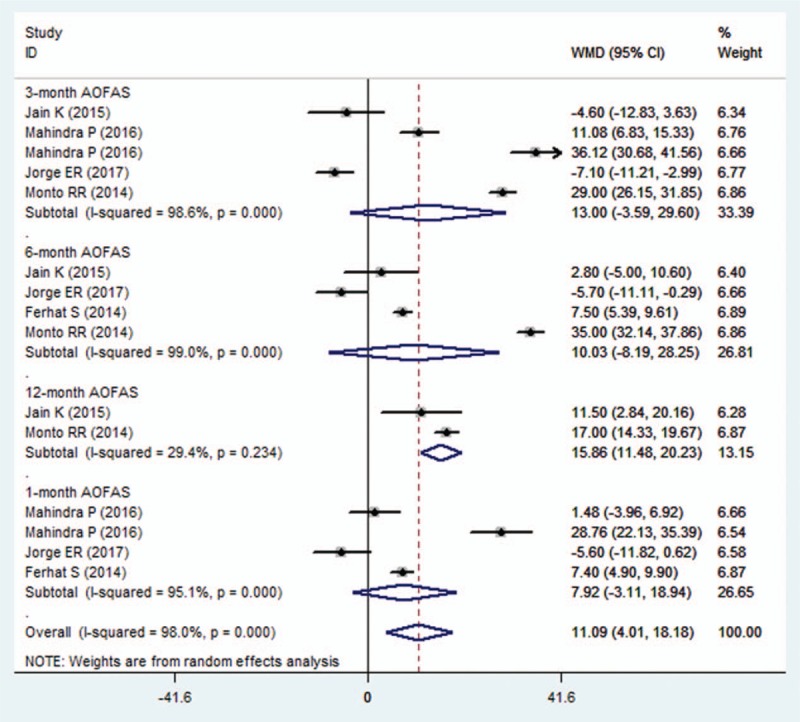
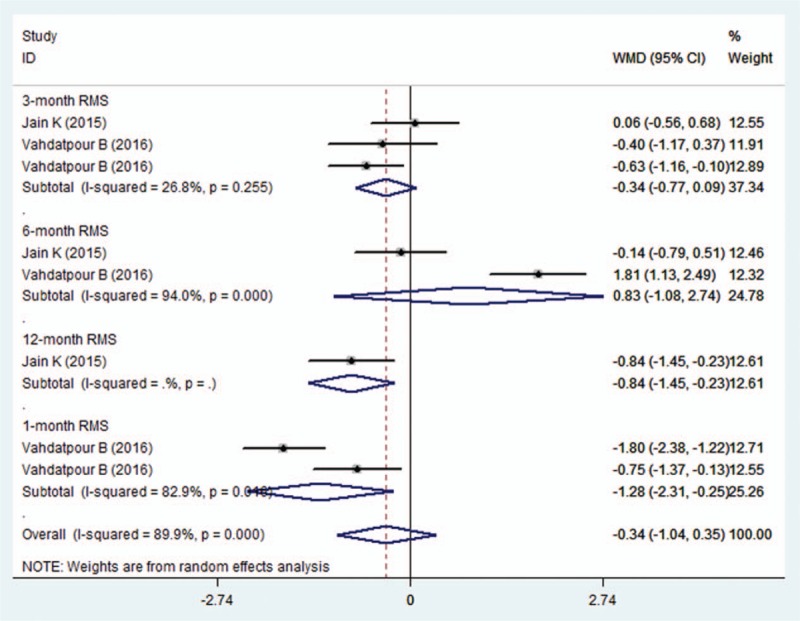
Main results: Ten RCTs involving a total of 445 patients with plantar fasciitis were included. Among these studies, 9 compared PRP with steroid, and 1 compared PRP with whole blood.Four studies were categorized as being at low risk of bias, and the remaining 6 as being at unclear risk of bias.Pooled estimates suggested that PRP had greater changes in VAS and AOFAS scores than other treatments. However, it had no benefit effect in the RMS.Subgroup analysis for VAS and AOFAS showed that PRP had superior effect than other treatments at 12 months, but not at the 1, 3, 6 months.Subgroup analysis based on treatment regimens demonstrated that PRP was more effective than steroid in the change from baseline in AOFAS, but not in VAS and RMS scores.
Authors' conclusion: PRP was as effective as other treatments in reducing pain and improving function in patients with plantar fasciitis. Subgroup analysis indicated that PRP had better effect than steroid in AOFAS Score and its effect was durable in a long term. However, considering the potential limitations in this study, more large-scale RCTs are needed to confirm the current findings.
Conflict of interest statement
The authors have no conflicts of interest to disclose.
Figures
References
-
- Riddle DL, Schappert SM. Volume of ambulatory care visits and patterns of care for patients diagnosed with plantar fasciitis: a national study of medical doctors. Foot Ankle Int 2004;25:303–10. - PubMed
-
- Irving DB, Cook JL, Menz HB. Factors associated with chronic plantar heel pain: a systematic review. J Sci Med Sport 2006;9:11–22. discussion 23–14. - PubMed
-
- Tong KB, Furia J. Economic burden of plantar fasciitis treatment in the United States. Am J Orthop (Belle Mead NJ) 2010;39:227–31. - PubMed
-
- Irving DB, Cook JL, Young MA, et al. Impact of chronic plantar heel pain on health-related quality of life. J Am Podiatr Med Assoc 2008;98:283–9. - PubMed
-
- Toomey EP. Plantar heel pain. Foot Ankle Clin 2009;14:229–45. - PubMed
Publication types
MeSH terms
Substances
LinkOut - more resources
Full Text Sources
Other Literature Sources
Research Materials
