Case Report: Bothrops lanceolatus Snakebite Surgical Management-Relevance of Fasciotomy
- PMID: 30226147
- PMCID: PMC6221233
- DOI: 10.4269/ajtmh.18-0393
Case Report: Bothrops lanceolatus Snakebite Surgical Management-Relevance of Fasciotomy
Abstract
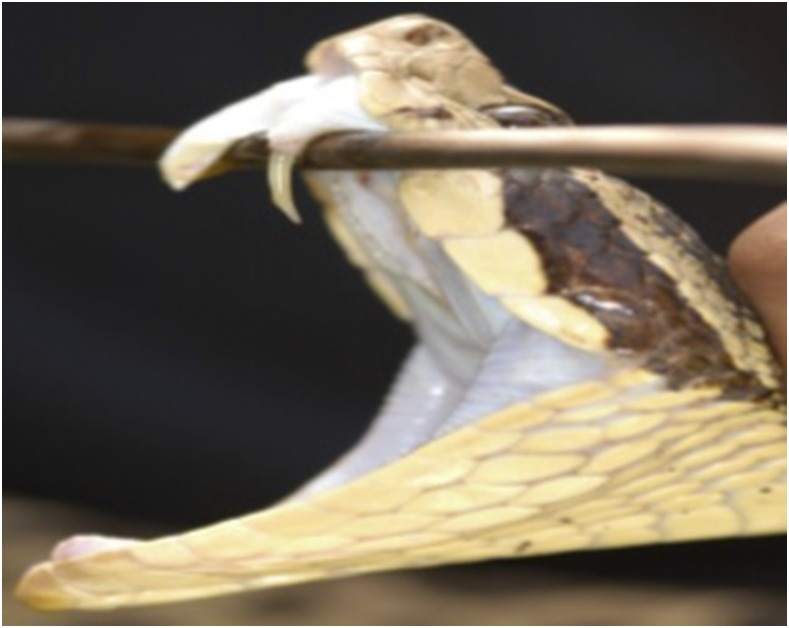
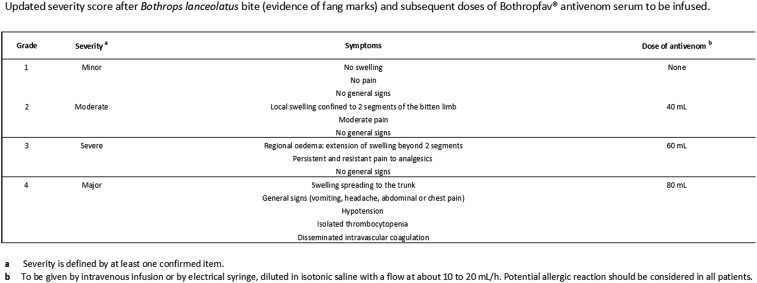
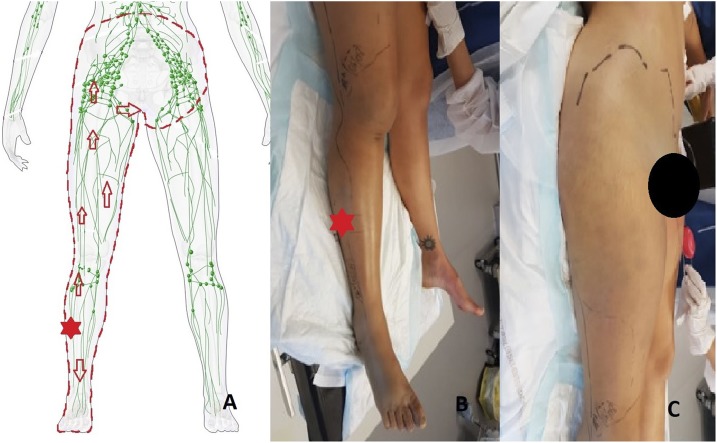
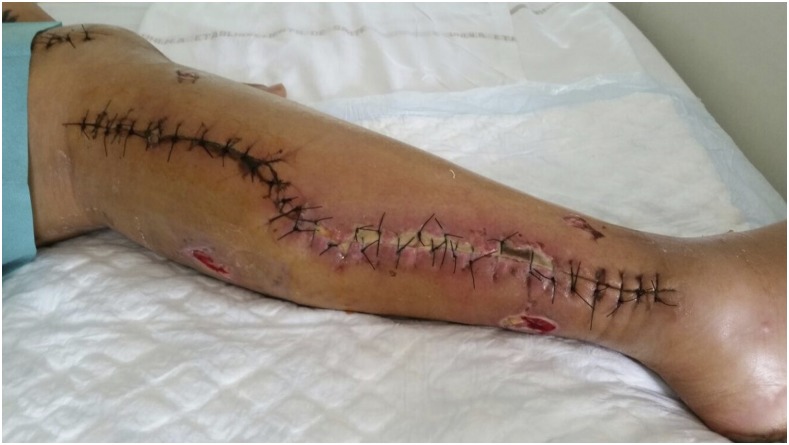
Bothrops lanceolatus is an endemic Crotalidae species in Martinique, where approximately 30 cases of envenoming are managed yearly. Envenoming characteristics from Bothrops species include local tissue damage, systemic bleeding, and hemodynamic alterations. We hereby report a case of severe envenomation following B. lanceolatus snakebite to the right calf. Severe local manifestations developed progressively up to the lower limb despite adequate antivenom therapy. Systemic manifestations of venom also occurred, resulting in intensive care therapy. Surgery exploration revealed soft tissue necrosis, friability of the deep fascia, and myonecrosis. The patient needed multiple debridement procedures and fasciotomy of all leg compartments and anterior compartment of the thigh. Diagnosis of necrotizing fasciitis was confirmed by positive Aeromonas hydrophila blood cultures. This clinical case illustrates that major soft tissue infection, including necrotizing fasciitis may occur after snakebite. Abnormal coagulation tests should not delay surgical management, as severe envenoming is a life-threatening condition.
Figures

References
-
- Thomas L, Tyburn B, Bucher B, Pecout F, Ketterle J, Rieux D, Smadja D, Garnier D, Plumelle Y, 1995. Prevention of thromboses in human patients with Bothrops lanceolatus envenoming in Martinique: failure of anticoagulants and efficacy of a monospecific antivenom. Research Group on Snake Bites in Martinique. Am J Trop Med Hyg 52: 419–426. - PubMed
-
- Lôbo de Araújo A, Kamiguti A, Bon C, 2001. Coagulant and anticoagulant activities of Bothrops lanceolatus (fer de lance) venom. Toxicon 39: 371–375. - PubMed
-
- Lôbo de Araújo A, Donato JL, Bon C, 1998. Purification from Bothrops lanceolatus (fer de lance) venom of a fibrino (geno) lytic enzyme with esterolytic activity. Toxicon 36: 745–758. - PubMed
Publication types
MeSH terms
Substances
LinkOut - more resources
Full Text Sources
Other Literature Sources