


Novel preclinical murine model of trauma-induced elbow stiffness
- PMID: 30229498
- PMCID: PMC6143496
- DOI: 10.1186/s40634-018-0155-3
Novel preclinical murine model of trauma-induced elbow stiffness
Abstract
Background: Peri-articular injury may result in functional deficits and pain. In particular, post-traumatic elbow stiffness is a debilitating condition, precluding patients from performing activities of daily living. As such, clinicians and basic scientists alike, aim to develop novel therapeutic interventions to prevent and treat elbow stiffness; thereby reducing patient morbidity. Yet, there is a paucity of pre-clinical models of peri-articular stiffness, especially of the upper extremity, necessary to develop and test the efficacy of therapeutics. We set out to develop a pre-clinical murine model of elbow stiffness, resulting from soft tissue injury, with features characteristic of pathology observed in these patients.
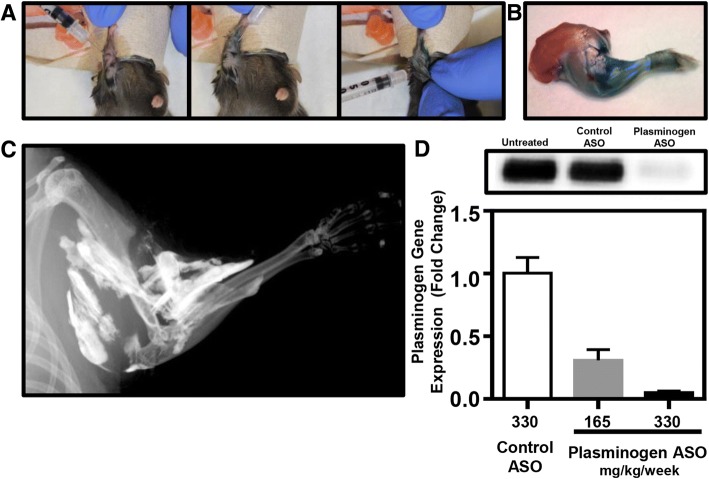
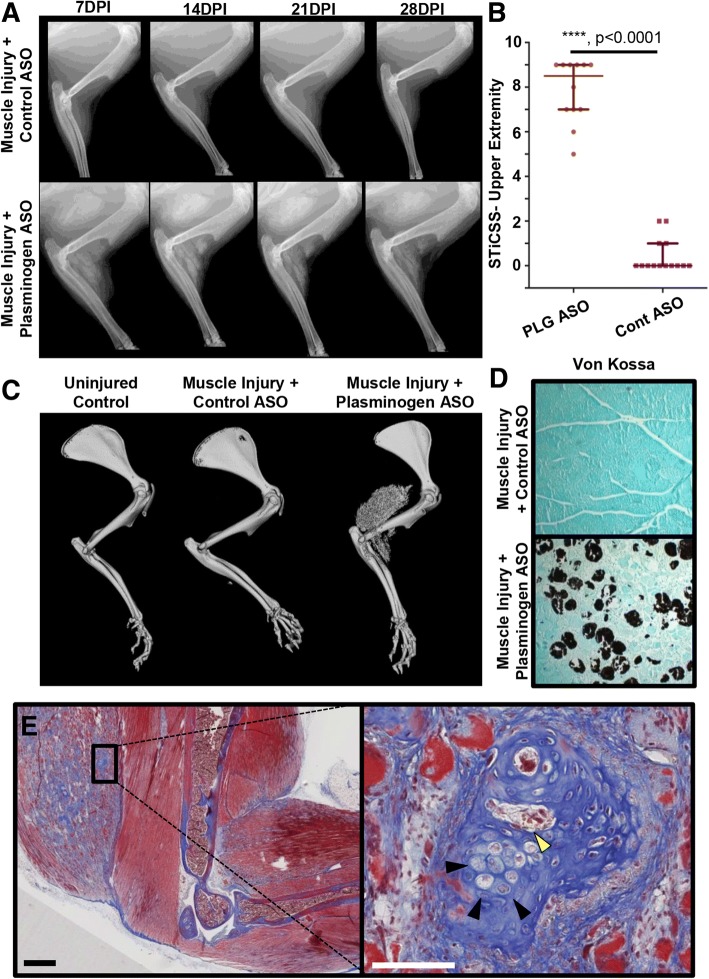
Methods: A soft tissue peri-elbow injury was inflicted in mice using cardiotoxin. Pathologic tissue repair was induced by creating an investigator-imposed deficiency of plasminogen, a protease essential for musculoskeletal tissue repair. Functional testing was conducted through analysis of grip strength and gait. Radiography, microcomputed tomography, and histological analyses were employed to quantify development of heterotopic ossification.
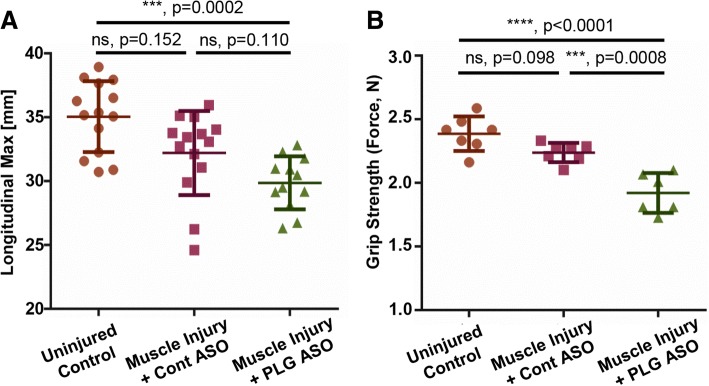
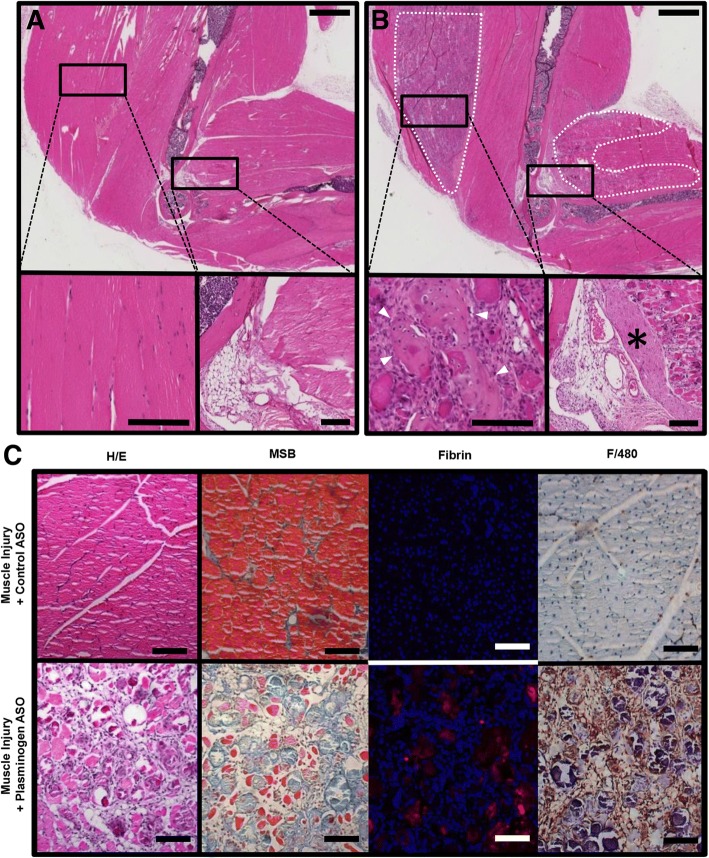
Results: Animals with peri-elbow soft tissues injury in conjunction with an investigator-imposed plasminogen deficiency, developed a significant loss of elbow function measured by grip strength (2.387 ± 0.136 N vs 1.921 ± 0.157 N, ****, p < 0.0001) and gait analysis (35.05 ± 2.775 mm vs 29.87 ± 2.075 mm, ***, p < 0.0002). Additionally, plasminogen deficient animals developed capsule thickening, delayed skeletal muscle repair, fibrosis, chronic inflammation, and heterotopic ossification; all features characteristic of pathology observed in patients with trauma-induced elbow stiffness.
Conclusion: A soft tissue injury to the peri-elbow soft tissue with a concomitant deficiency in plasminogen, instigates elbow stiffness and pathologic features similar to those observed in humans. This pre-clinical model is valuable for translational studies designed to investigate the contributions of pathologic features to elbow stiffness or as a high-throughput model for testing therapeutic strategies designed to prevent and treat trauma-induced elbow stiffness.
Keywords: Elbow stiffness; Elbow trauma; Murine model; Plasmin; Plasminogen; Preclinical model.
Conflict of interest statement
Ethics approval
All animal procedures were approved by the Vanderbilt University Institutional Animal Care and Use Committee (M1600225) and carried out in strict accordance with the recommendation in the Guide for the Care and Use of Laboratory Animals of the National Institutes of Health.
Consent for publication
Not applicable
Competing interests
JGS is a member of the education advisory board at OrthoPediatrics, receives research funding from OrthoPediatrics, and research support from IONIS Pharmaceuticals. JGS and SNML receive research and training support from PXE International. All other authors have declared that no conflict of interest exists.
Publisher’s Note
Springer Nature remains neutral with regard to jurisdictional claims in published maps and institutional affiliations.
Figures
References
-
- Amaro E, et al. Abstract P20: severe injury leads to plasmin consumption below a critical threshold required to heal soft tissue injury. Plastic and Reconstructive Surgery – Global Open. 2017;5:115–116. doi: 10.1097/01.GOX.0000516677.91747.d0. - DOI
Grants and funding
LinkOut - more resources
Full Text Sources
Other Literature Sources
Research Materials
