Surgical embolectomy for acute massive pulmonary embolism: state of the art
- PMID: 30233892
- PMCID: PMC6129933
- DOI: 10.21037/jtd.2018.07.87
Surgical embolectomy for acute massive pulmonary embolism: state of the art
Abstract
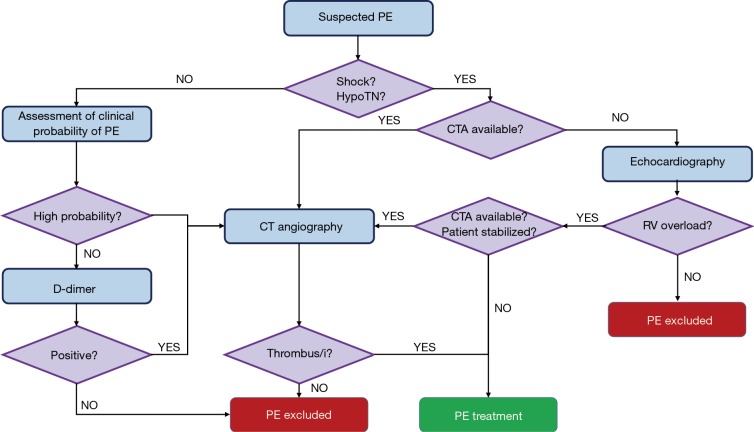
Massive pulmonary embolism (PE) is a severe condition that can potentially lead to death caused by right ventricular (RV) failure and the consequent cardiogenic shock. Despite the fact thrombolysis is often administrated to critical patients to increase pulmonary perfusion and to reduce RV afterload, surgical treatment represents another valid option in case of failure or contraindications to thrombolytic therapy. Correct risk stratification and multidisciplinary proactive teams are critical factors to dramatically decrease the mortality of this global health burden. In fact, the worldwide incidence of PE is 60-70 per 100,000, with a mortality ranging from 1% for small PE to 65% for massive PE. This review provides an overview of the diagnosis and management of this highly lethal pathology, with a focus on the surgical approaches at the state of the art.
Keywords: Acute pulmonary embolism; cerebrovascular disease; surgical embolectomy.
Conflict of interest statement
Conflicts of Interest: The authors have no conflicts of interest to declare.
Figures
References
Publication types
LinkOut - more resources
Full Text Sources
Other Literature Sources