Review
. 2018 Sep 25;72(13):1532-1553.
doi: 10.1016/j.jacc.2018.06.074.

Positive Pressure Ventilation in the Cardiac Intensive Care Unit

Affiliations
Review

Positive Pressure Ventilation in the Cardiac Intensive Care Unit

Carlos L Alviar et al. J Am Coll Cardiol. .

Abstract

Contemporary cardiac intensive care units (CICUs) provide care for an aging and increasingly complex patient population. The medical complexity of this population is partly driven by an increased proportion of patients with respiratory failure needing noninvasive or invasive positive pressure ventilation (PPV). PPV often plays an important role in the management of patients with cardiogenic pulmonary edema, cardiogenic shock, or cardiac arrest, and those undergoing mechanical circulatory support. Noninvasive PPV, when appropriately applied to selected patients, may reduce the need for invasive mechanical PPV and improve survival. Invasive PPV can be lifesaving, but has both favorable and unfavorable interactions with left and right ventricular physiology and carries a risk of complications that influence CICU mortality. Effective implementation of PPV requires an understanding of the underlying cardiac and pulmonary pathophysiology. Cardiologists who practice in the CICU should be proficient with the indications, appropriate selection, potential cardiopulmonary interactions, and complications of PPV.

Keywords: coronary intensive care unit; heart failure; mechanical ventilation; noninvasive ventilation; pulmonary edema; respiratory failure.


Figures

FIGURE 1
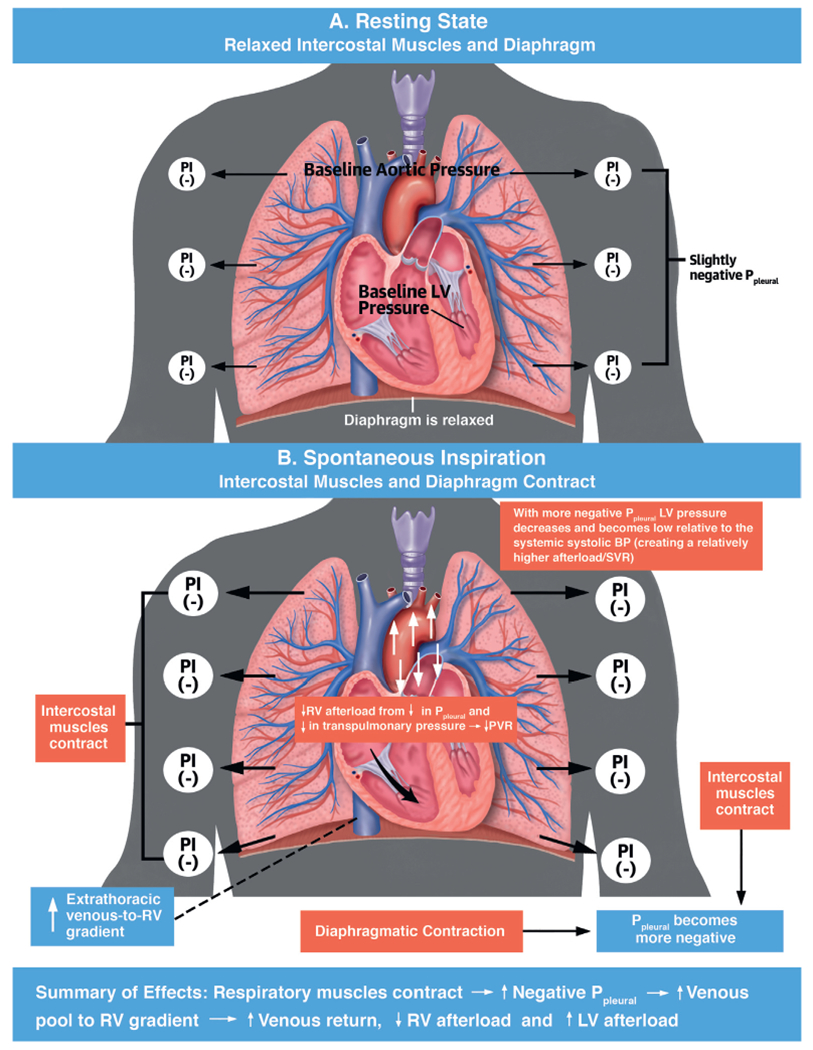
FIGURE 1. Effects of Pleural Pressure on Hemodynamics During Spontaneous Respiration
(A) In the resting state, Ppleural is slightly negative. (B) During spontaneous inspiration, Ppleural declines with diaphragmatic and intercostal muscle contraction. BP = blood pressure; LV = left ventricular; Ppleural = pleural pressure; PVR = pulmonary vascular resistance; RV = left ventricular; SVR = systemic vascular resistance.
FIGURE 2
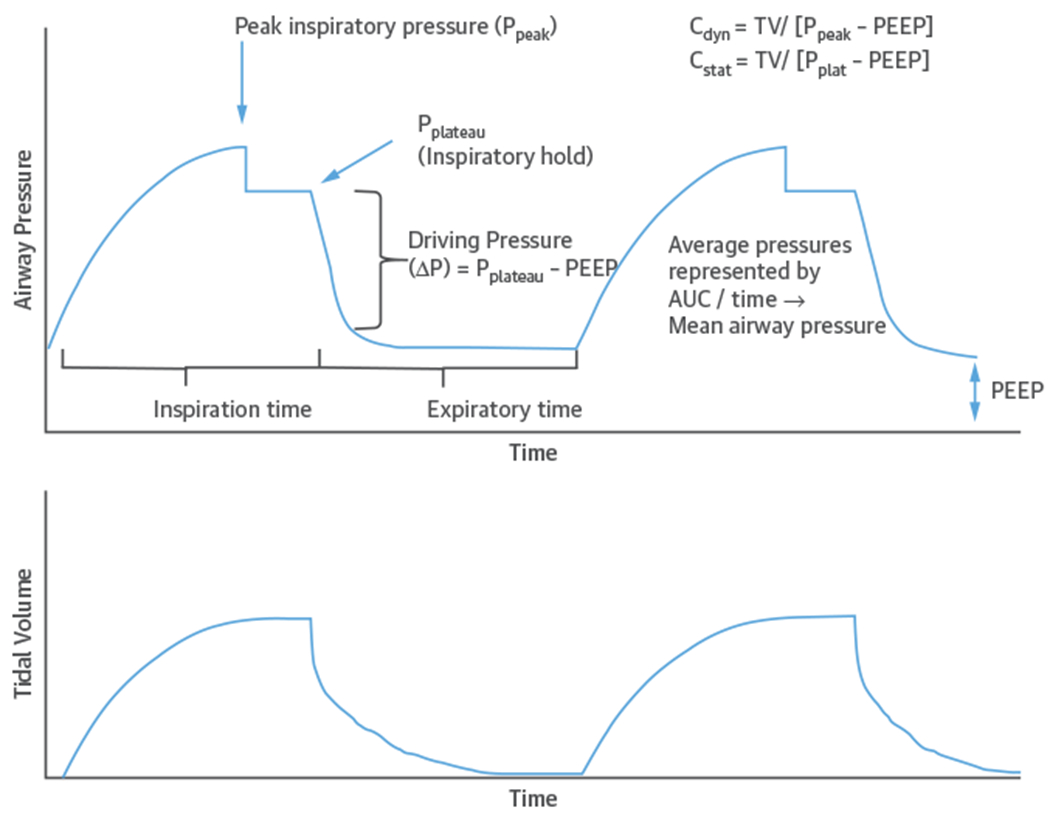
FIGURE 2. Pressure-Time Curve During Volume Control Ventilation
Relationship among airway pressure, flow, and time with static compliance (Cstat) and dynamic compliance (Cdyn). AUC = area under the curve; PEEP = positive end-expiratory pressure; Ppeak = peak pressure; Pplat = plateau pressure; Ppleural = pleural pressure; TV = tidal volume.
FIGURE 3
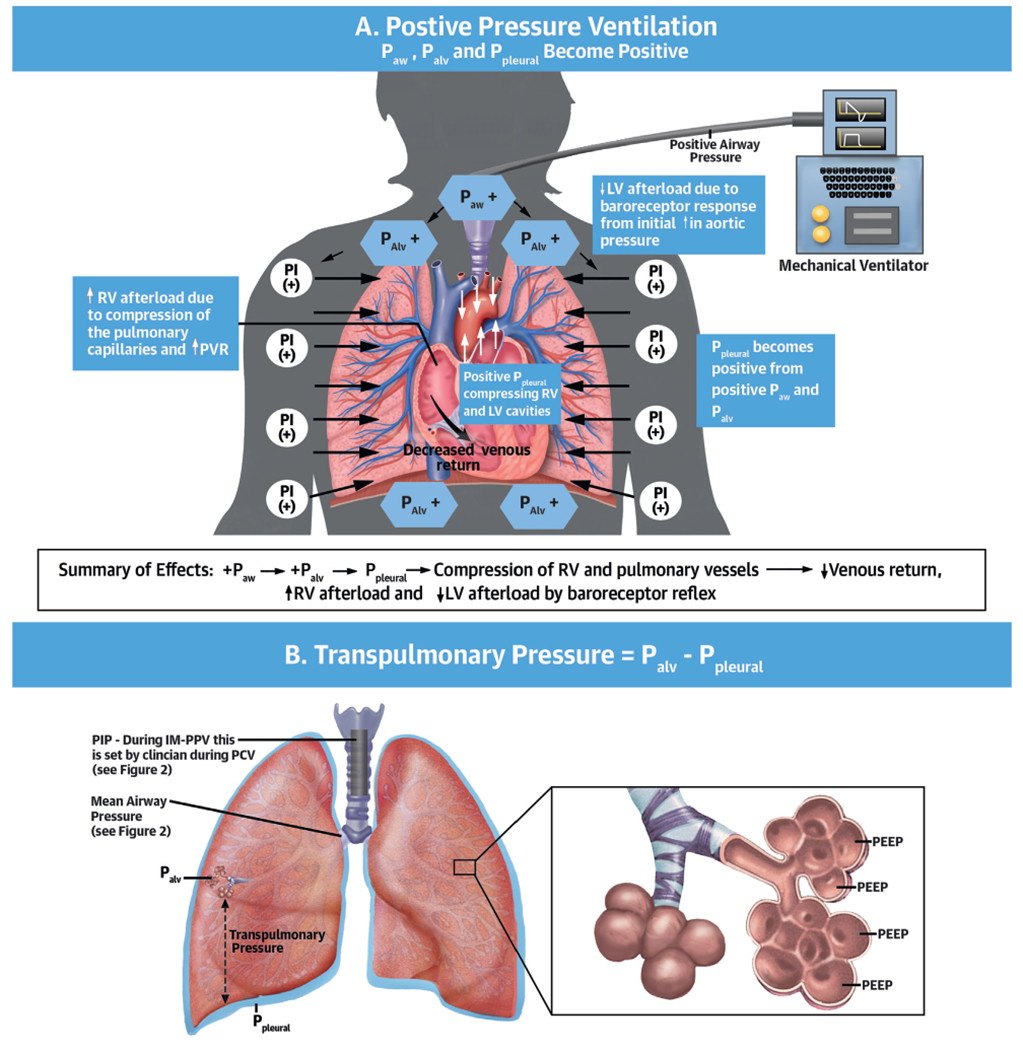
FIGURE 3. Effects of Positive Pressure Ventilation on Hemodynamics
(A) Effects of positive pressure ventilation. (B) Schematic representation of transpulmonary pressures and mean airway pressure. (C) Effects of Ppleural and transpulmonary pressure. Palv = alveolar pressure; Paw = airway pressure; other abbreviations as in Figures 1 and 2.
FIGURE 3
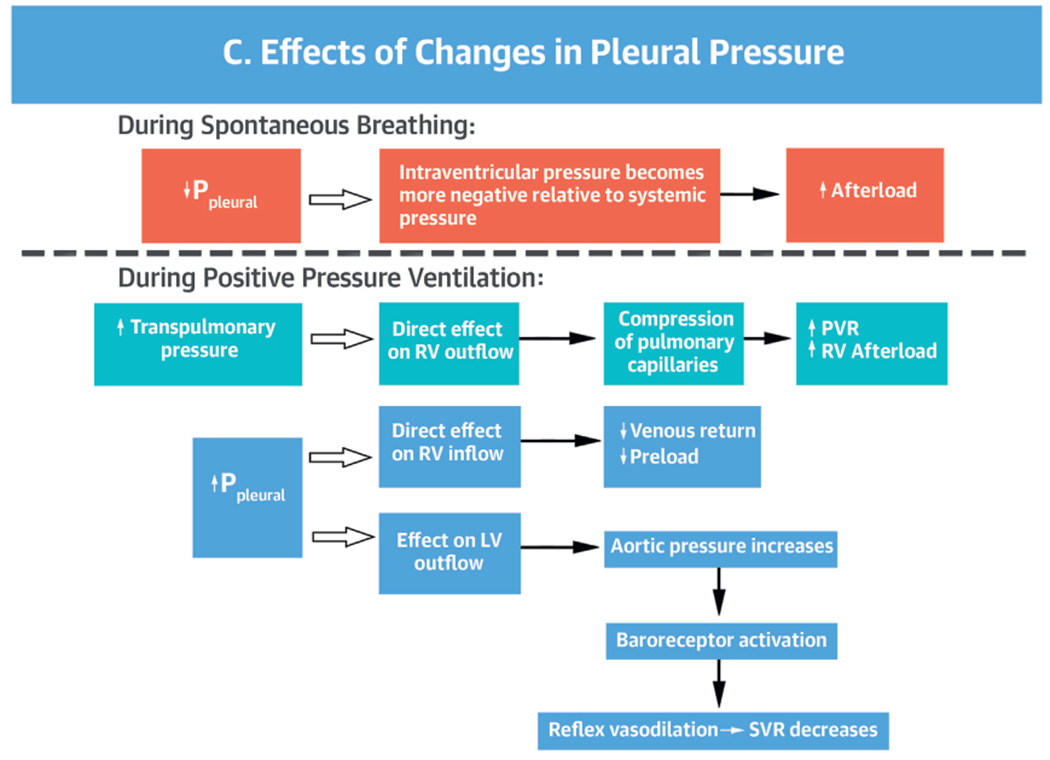
FIGURE 3. Effects of Positive Pressure Ventilation on Hemodynamics
(A) Effects of positive pressure ventilation. (B) Schematic representation of transpulmonary pressures and mean airway pressure. (C) Effects of Ppleural and transpulmonary pressure. Palv = alveolar pressure; Paw = airway pressure; other abbreviations as in Figures 1 and 2.
FIGURE 4
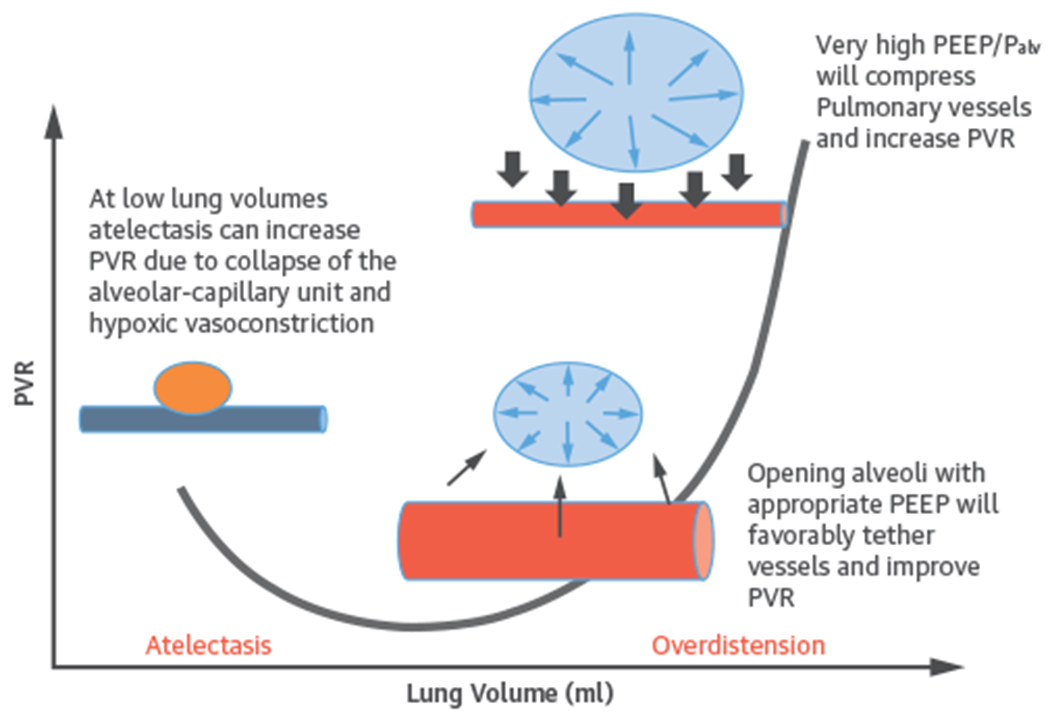
FIGURE 4. Relationship Between Alveolar Volume/Pressure and Pulmonary Vascular Resistance
Adapted from West JB, Luks AM. Wes’s Respiratory Physiology: The Essentials. Philadelphia, PA: Wolters Kluwer Health Ed, 2015;92. PEEP = positive end-expiratory pressure; PVR = pulmonary vascular resistance. Blue vessel represents deoxygenated blood.
FIGURE 5
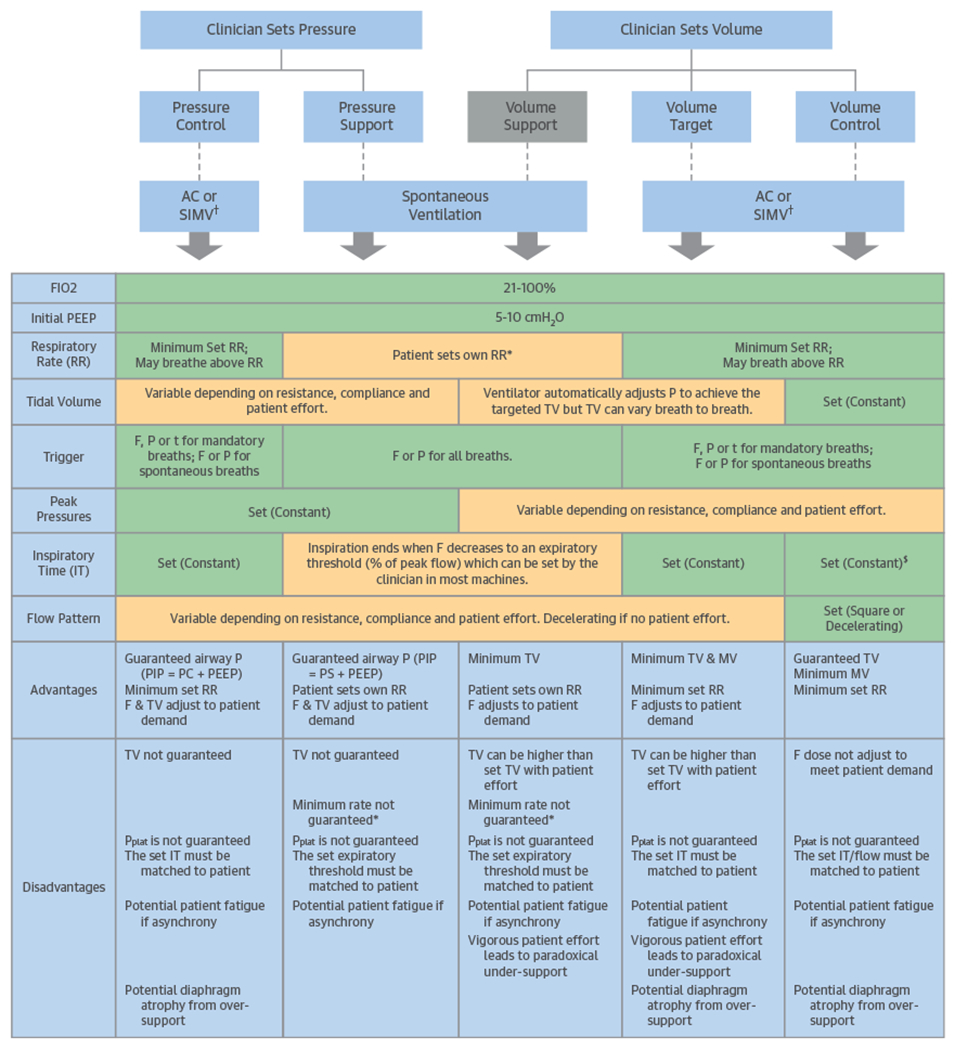
FIGURE 5. Schematic Overview of Ventilator Modes and Settings
Each of the settings set by the clinician and the resulting ventilatory parameters are shown for the major modes of positive pressure ventilation. More advanced modes and breath types (proportional assist ventilation, neurally adjusted ventilatory assist, and airway pressure release ventilation) are not described. Green = variable set (constant) by the clinician; orange = variable changes according to patient-ventilator interaction. *Classically no back up. Alarm can be set if patien’s RR is < set limit. †For SIMV mode (SIMV PC, SIMV VC, or SIMV Volume Target), the descriptions apply only to set breaths and not spontaneous breaths. $For some machines, clinician sets TV and flow pattern, which determines IT. For other machines, IT is set directly. A/C = assist control; F = flow; FIO2 = fraction of inspired oxygen; IT = inspiratory time; MV = minute ventilation; P = pressure; PC = pressure control; PEEP = positive end expiratory pressure; PIP = peak inspiratory pressure; Pplat = plateau pressure; PS = pressure support; R = resistance; RR = respiratory rate; SIMV = synchronized intermittent mandatory ventilation; t = time; TV = tidal volume.
FIGURE 6
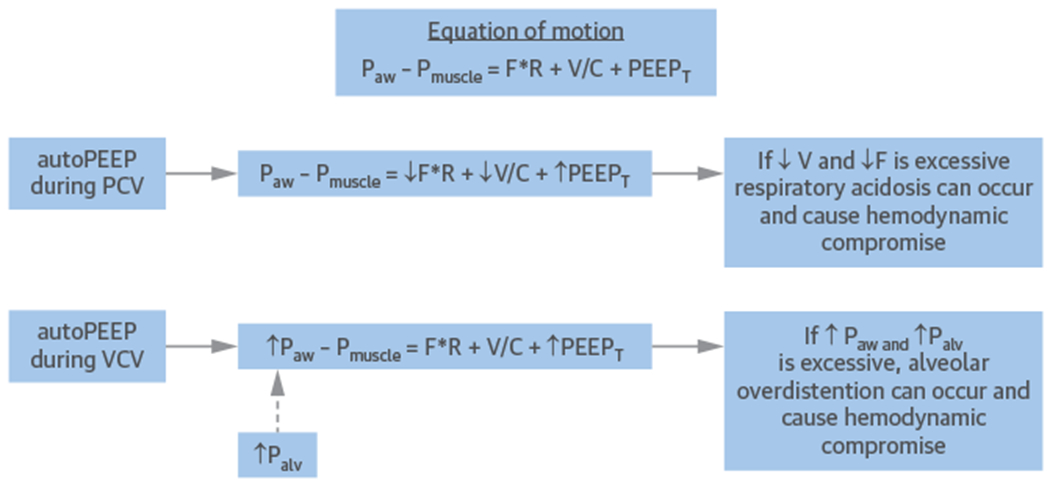
FIGURE 6. Effect of Auto-PEEP on Volume-Control Ventilation and Pressure-Control Ventilation
As auto-PEEP increases, a compensatory effect will occur on flow (F), volume (V), Paw, and Palv. If auto-PEEP is not addressed, hemodynamic compromise will ultimately occur by respiratory acidosis (during pressure control) or alveolar overdistension (during volume control). Abbreviations as in Figures 2 and 3.
FIGURE 7
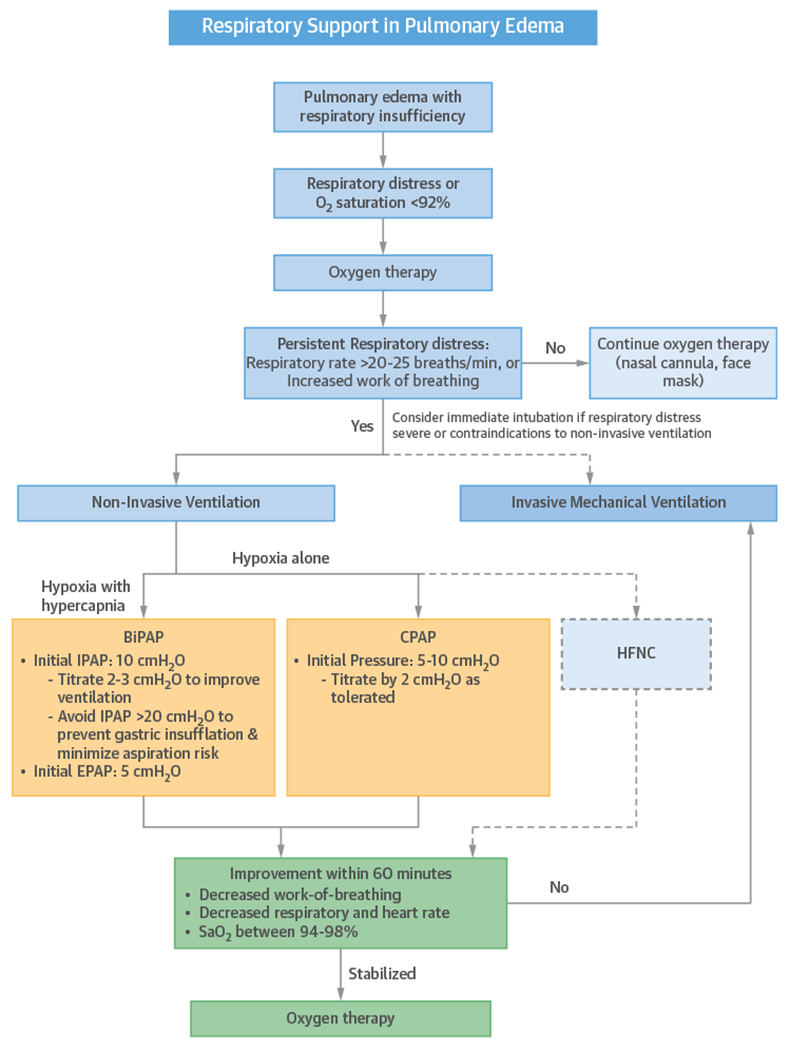
FIGURE 7. Example Algorithm for Oxygen Therapy and NI-PPV in Patients With Pulmonary Edema
BiPAP = bilevel positive airway pressure; CPAP = continuous positive airway pressure; EPAP = expiratory positive airway pressure; HFNC = high-flow nasal cannula; IPAP = inspiratory positive airway pressure.
FIGURE 8
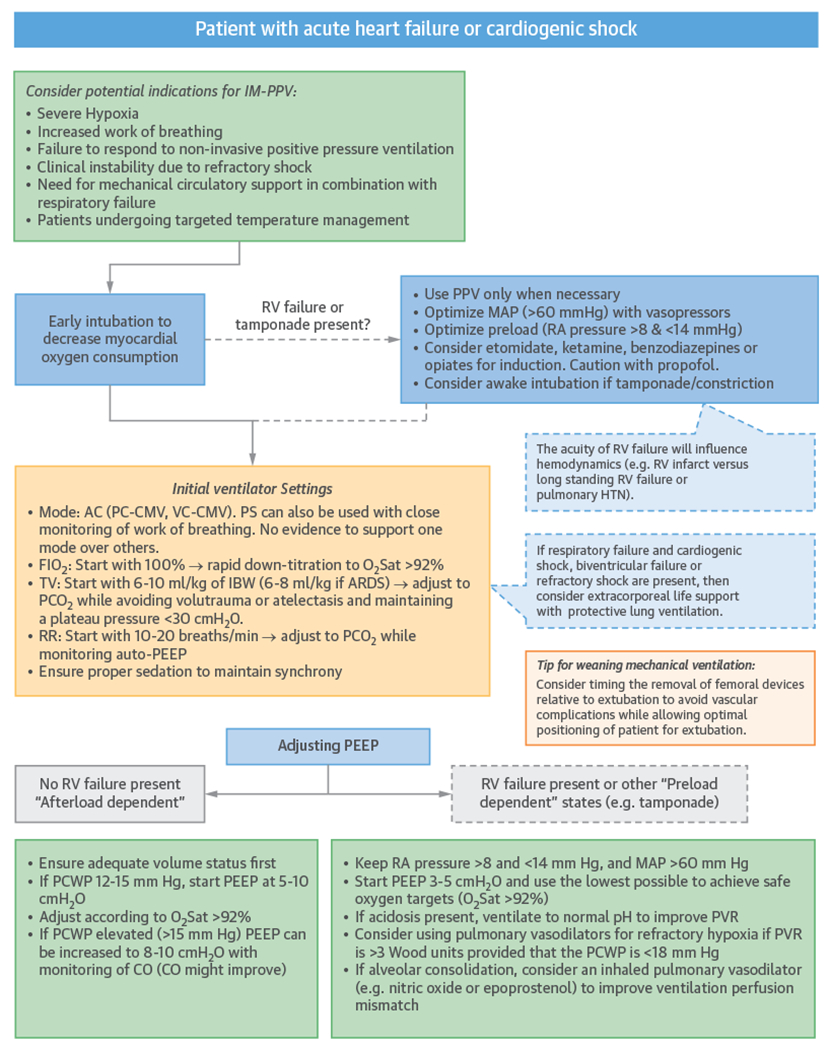
FIGURE 8. Example Algorithm for IM-PPV in Patients With Heart Failure or Cardiogenic Shock
ARDS = acute respiratory distress syndrome; CO = cardiac output; IBW = ideal body weight; IM-PPV = invasive mechanical positive pressure ventilation; MAP = mean arterial pressure; PCWP = pulmonary capillary wedge pressure; PVR = pulmonary vascular resistance; RA = right atrium; other abbreviations as in Figure 5.
CENTRAL ILLUSTRATION
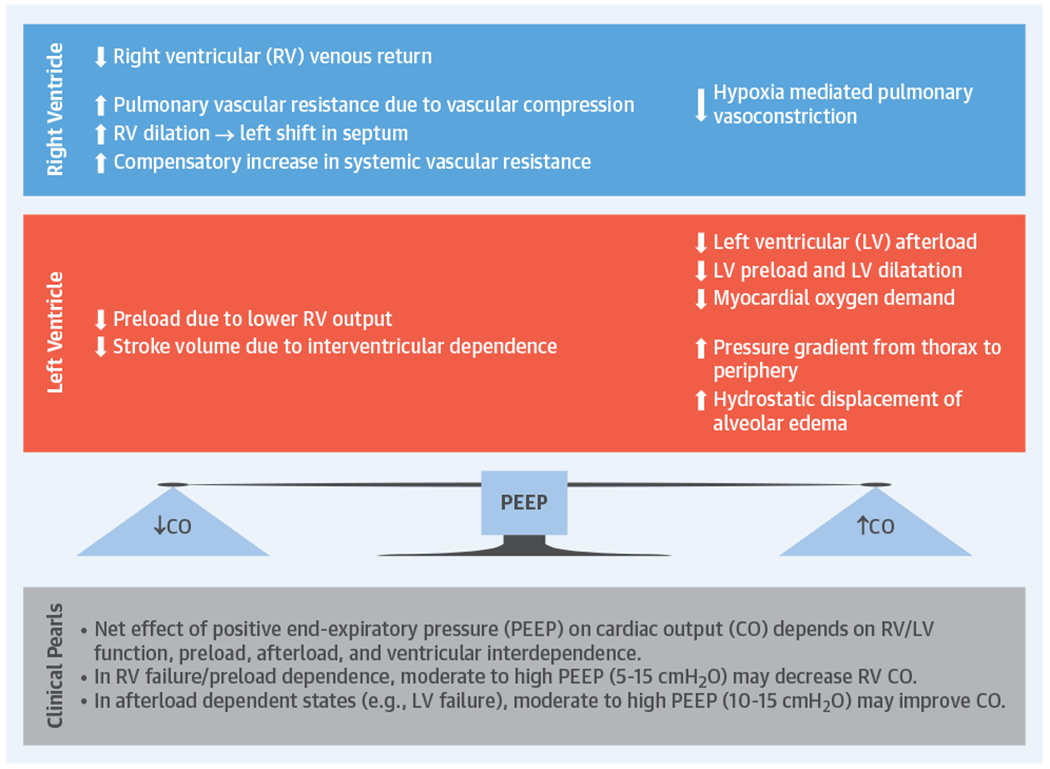
CENTRAL ILLUSTRATION. Potential Physiological Effects of Positive End-Expiratory Pressure on Ventricular Function and Cardiac Output
Positive end-expiratory pressure (PEEP) will have variable effects on cardiac output (CO) depending on left ventricular (LV) and right ventricular (RV) function, preload and filling pressures. Note that in patients with noncompliant lungs from causes other than cardiogenic pulmonary edema, the effect of PEEP on Ppleural and pre-load might not be as pronounced.

References

    1. Morrow DA, Fang JC, Fintel DJ, et al. Evolution of critical care cardiology: transformation of the cardiovascular intensive care unit and the emerging need for new medical staffing and training models: a scientific statement from the American Heart Association. Circulation 2012;126:1408–28. - PubMed
    1. Katz JN, Shah BR, Volz EM, et al. Evolution of the coronary care unit: clinical characteristics and temporal trends in healthcare delivery and outcomes. Crit Care Med 2010;38:375–81. - PubMed
    1. Morrow DA. Trends in cardiac critical care: reshaping the cardiac intensive care unit. Circ Cardiovasc Qual Outcomes 2017;10:e004010. - PubMed
    1. Sinha SS, Sjoding MW, Sukul D, et al. Changes in primary noncardiac diagnoses over time among elderly cardiac intensive care unit patients in the United States. Circ Cardiovasc Qual Outcomes 2017;10:e003616. - PMC - PubMed
    1. Metkus TS, Albaeni A, Chandra-Strobos N, Eid SM. Incidence and prognostic impact of respiratory support in patients with ST-segment elevation myocardial infarction. Am J Cardiol 2017;119:171–7. - PMC - PubMed

Publication types

LinkOut - more resources