


Development of a Novel Computerized Clinical Decision Support System to Improve Adolescent Sexual Health Care Provision
- PMID: 30240032
- PMCID: PMC6625349
- DOI: 10.1111/acem.13570
Development of a Novel Computerized Clinical Decision Support System to Improve Adolescent Sexual Health Care Provision
Abstract
Objective: The objective was to develop an acceptable clinical decision support (CDS) system to facilitate evidence-based sexual health care for adolescents in the emergency department (ED).
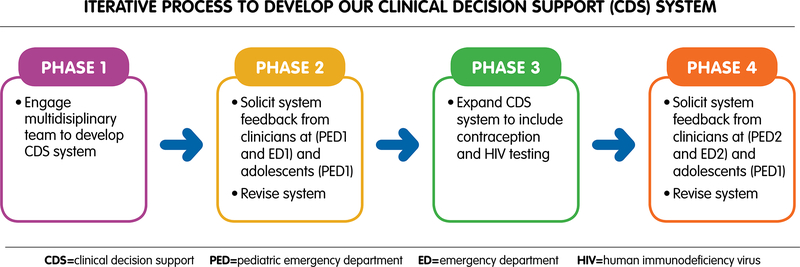
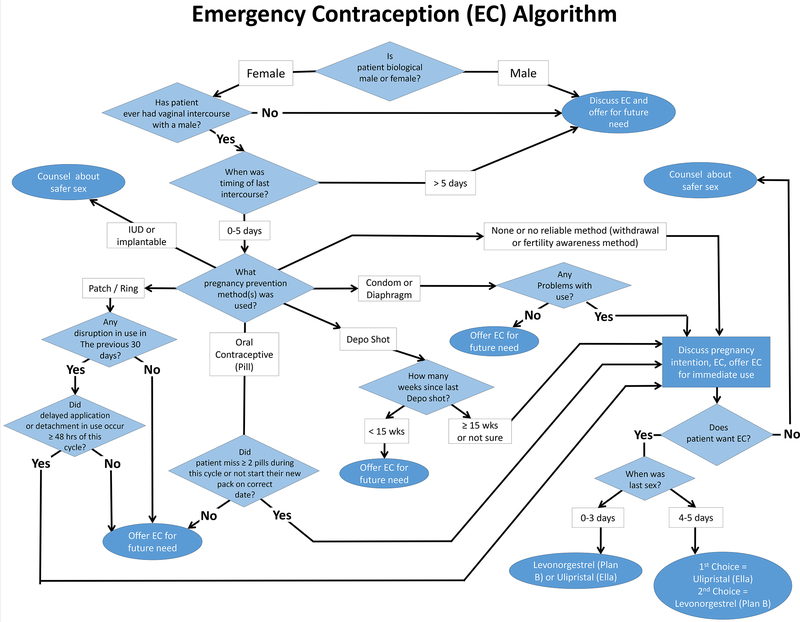
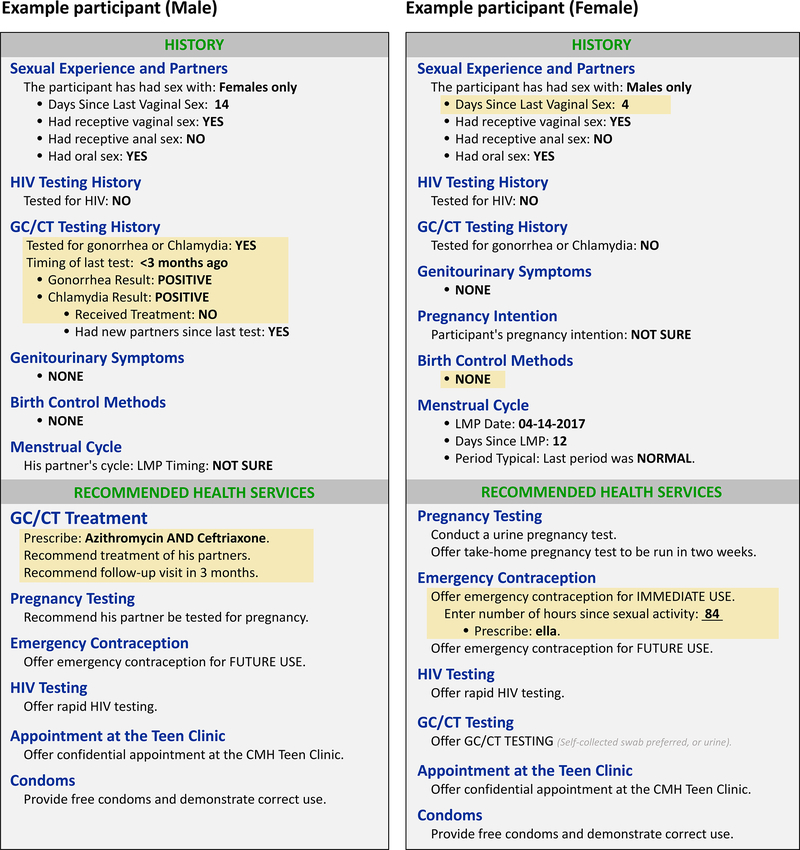
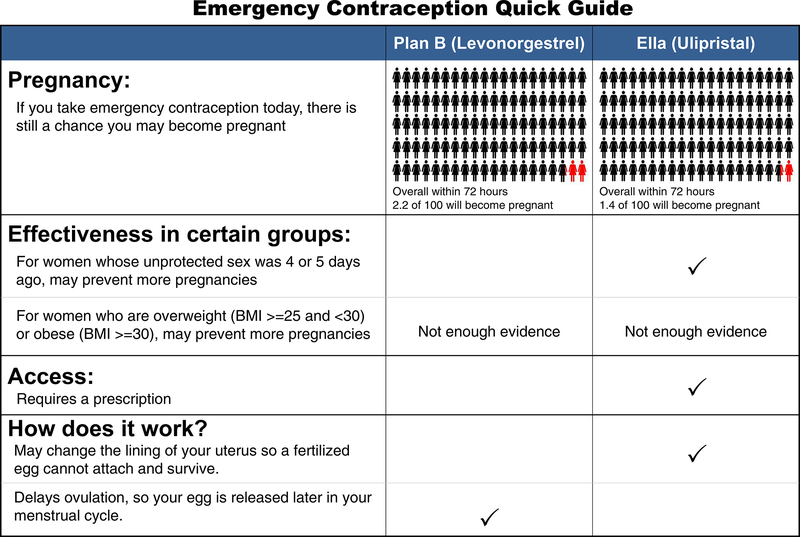
Methods: In this multiphased iterative process, we engaged an expert group to synthesize evidence on a wide range of sexual health services (e.g., contraception, condoms, identification and treatment of previously diagnosed sexually transmitted infection). We created a computerized questionnaire and embedded our decision tree, utilizing patient-entered responses to create tailored, evidence-based recommendations, and embedded links to study-related resources such as the emergency contraception (EC) quick guide. We utilized mixed methodology to explore perspectives of adolescents aged 14 to 19 years and clinicians at two general and two pediatric EDs after they interacted with the system. Clinicians reported usefulness (Likert scale 1 = not at all, 4 = very); adolescents reported acceptability. We used the chi-square test to compare responses between subgroups. We collected adolescents' verbatim responses to open-ended questions; clinicians self-entered responses. Four authors independently generated themes from qualitative responses before compiling key findings and achieving consensus on final themes.
Results: Among 57 clinicians (23 physicians, 23 nurses, 11 nurse practitioners; 54% female; 65% aged < 40 years), the mean system usefulness rating was 3.4 ± 0.7. Sex, age, clinician role, or ED type were not associated with rating the system "somewhat/very" useful. Clinicians identified barriers (e.g., time constraints) that could be overcome by implementation considerations (e.g., training) as well as benefits including improved care. For future assessments, providers preferred computer (65%) over face-to-face interview (26%). Among 57 adolescents (mean age = 16.2 years; 75% female; 56% sexually experienced), nearly all (95%) reported that it was "very/somewhat easy" to complete the computerized questionnaire and to understand the questions. Most adolescents understood the EC quick guide and correctly identified that ulipristal, compared to levonorgestrel, required a prescription and was more effective. For future assessments, adolescents preferred computer (69%) over face-to-face interviews (9%).
Conclusions: We developed a sexual health CDS system that is easy to use and can facilitate evidence-based care to reduce health outcome gaps. Evaluation of system impact on service delivery and, ultimately, health outcomes is needed.
© 2018 by the Society for Academic Emergency Medicine.
Conflict of interest statement
Conflict of Interest: The authors have nothing to disclose.
Figures
Comment in
-
A Social Emergency Medicine Approach to the Implementation of Sexual and Reproductive Health Interventions in the Emergency Department.Acad Emerg Med. 2019 Apr;26(4):457-459. doi: 10.1111/acem.13616. Epub 2018 Nov 2. Acad Emerg Med. 2019. PMID: 30222227 No abstract available.
References
-
- Centers for Disease Control and Prevention. Sexually Transmitted Disease Surveillance 2015. Atlanta: US Department of Health and Human Services; 2016.
-
- Mehta SD, Hall J, Lyss SB, Skolnik PR, Pealer LN, Kharasch S. Adult and Pediatric Emergency Department Sexually Transmitted Disease and HIV Screening: Programmatic Overview and Outcomes. Acad Emerg Med. 2007;14(3):250–258. - PubMed
-
- Chernick L, Kharbanda EO, Santelli J, Dayan P. Identifying adolescent females at high risk of pregnancy in a pediatric emergency department. Journal of Adolescent Health. 2012. August 1;51(2):171–8. - PubMed
Publication types
MeSH terms
Grants and funding
LinkOut - more resources
Full Text Sources
Other Literature Sources
Medical
