


Photogrammetry of Human Specimens: An Innovation in Anatomy Education
- PMID: 30246148
- PMCID: PMC6144583
- DOI: 10.1177/2382120518799356
Photogrammetry of Human Specimens: An Innovation in Anatomy Education
Abstract
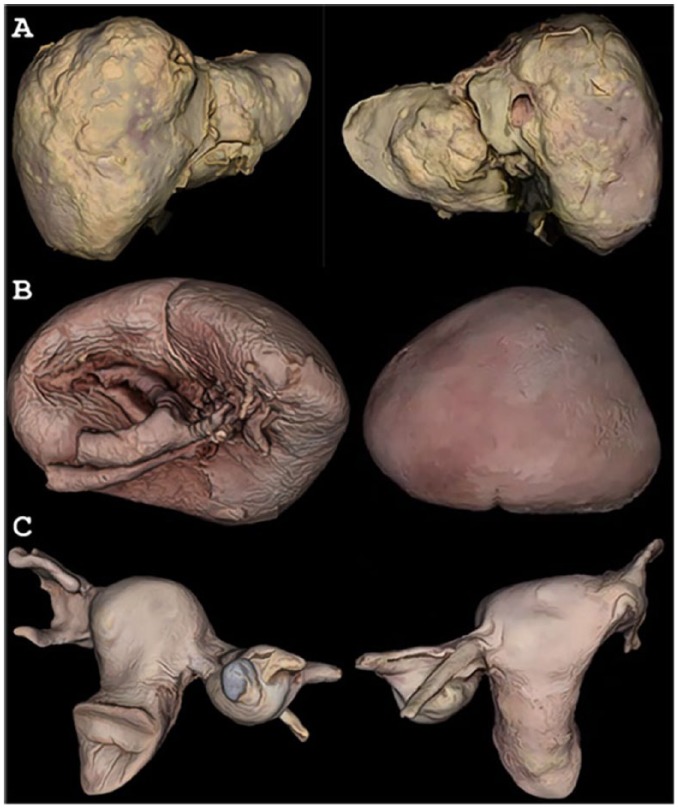
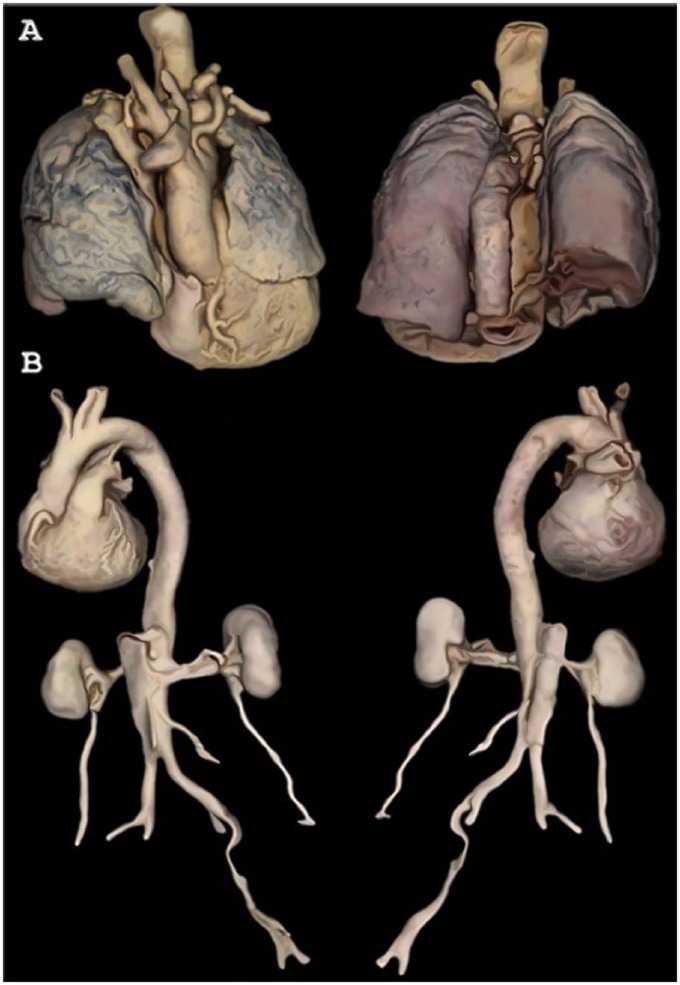
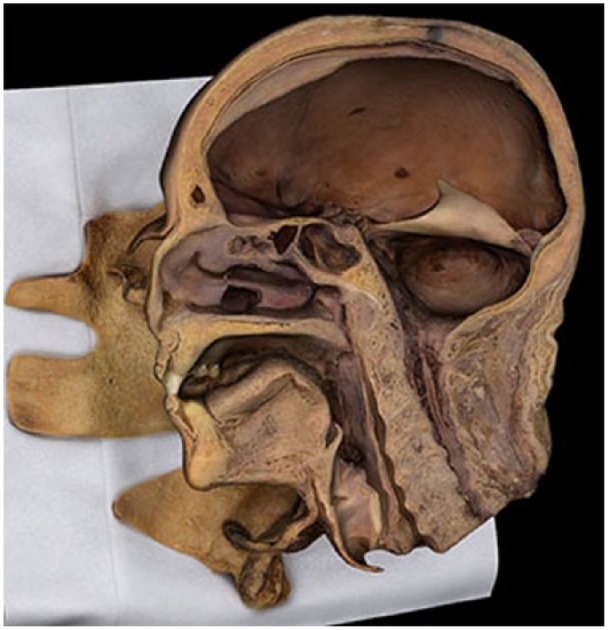
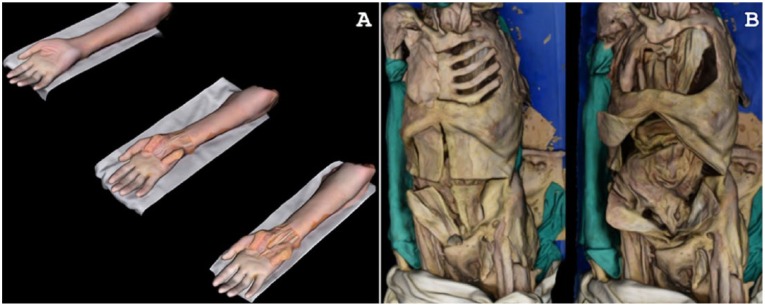
Cadaver-based anatomical education is supplemented by a wide range of pedagogical tools-from artistic diagrams, to photographs and videos, to 3-dimensional (3D) models. However, many of these supplements either simplify the true anatomy or are limited in their use and distribution. Photogrammetry, which overlaps 2-dimensional (2D) photographs to create digital 3D models, addresses such shortcomings by creating interactive, authentic digital models of cadaveric specimens. In this exploratory pilot study, we used a photogrammetric setup and rendering software developed by an outside group to produce digital 3D models of 8 dissected specimens of regional anatomy. The photogrammetrically produced anatomical models authentically and precisely represented their original specimens. These interactive models were deemed accurate and teachable by faculty at the Stanford University Division of Clinical Anatomy. Photogrammetry is, according to these results, another possible method for rendering cadaveric materials into interactive 3D models, which can be used for anatomical education. These models are more detailed than many computer-generated versions and provide more visuospatial information than 2D images. Future researchers and educators could use such technology to create institutional libraries of digital 3D anatomy for medical education.
Keywords: 3D models; Medical education; anatomical models; anatomy education; digital anatomy; photogrammetry; prosections.
Conflict of interest statement
Declaration of conflicting interests:The author(s) declared the following potential conflicts of interest with respect to the research, authorship, and/or publication of this article: The authors of this study are all affiliates of the Stanford University Division of Clinical Anatomy, which collaborates with Anatomage, Inc. for medical education purposes only. Anatomage, Inc. may patent and profit from the described method in the future. None of the authors have any financial ties to Anatomage, Inc.
Figures
References
-
- Raja DS, Sultana B. Potential health hazards for students exposed to formaldehyde in the gross anatomy laboratory. J Environ Health. 2012;74:36–40. http://www.ncbi.nlm.nih.gov/pubmed/22329207. - PubMed
LinkOut - more resources
Full Text Sources
Other Literature Sources
