


CoQ10 supplementation rescues nephrotic syndrome through normalization of H2S oxidation pathway
- PMID: 30251690
- PMCID: PMC6181133
- DOI: 10.1016/j.bbadis.2018.09.002
CoQ10 supplementation rescues nephrotic syndrome through normalization of H2S oxidation pathway
Abstract
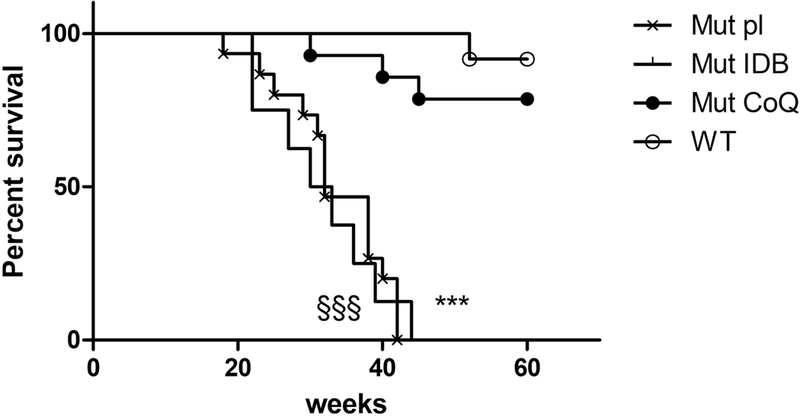
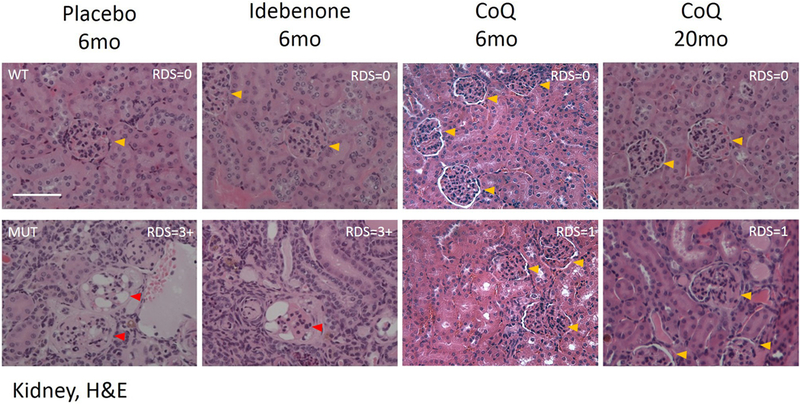
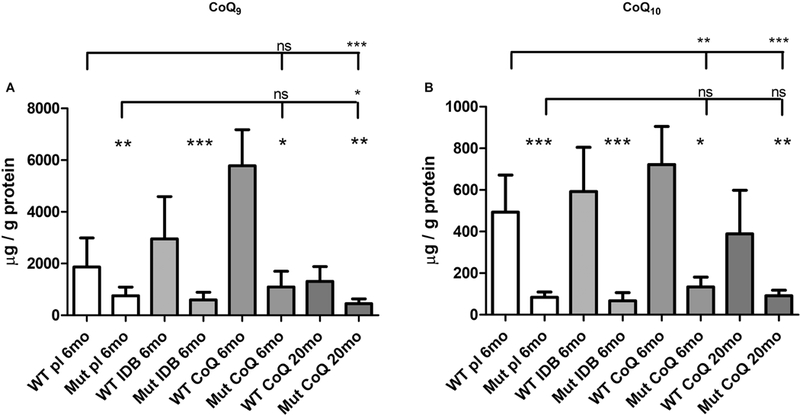
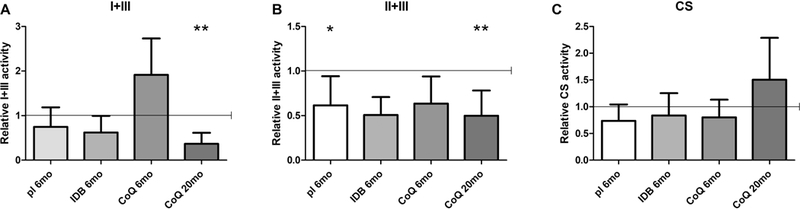
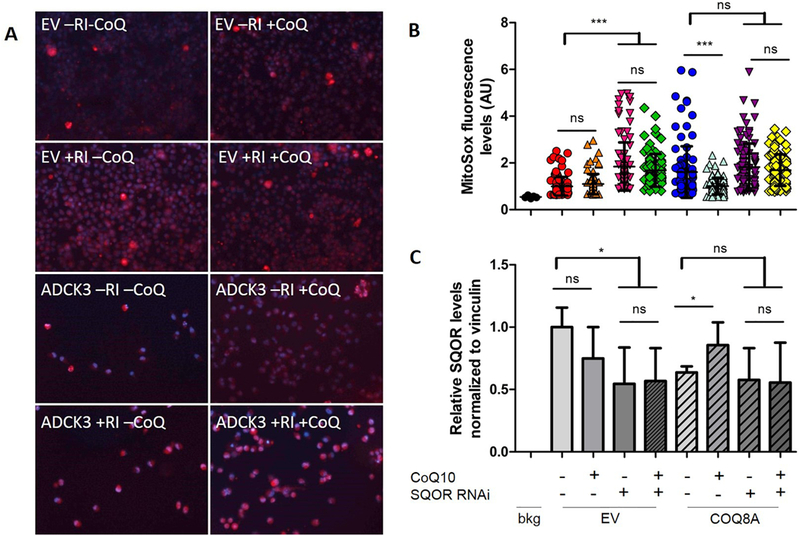
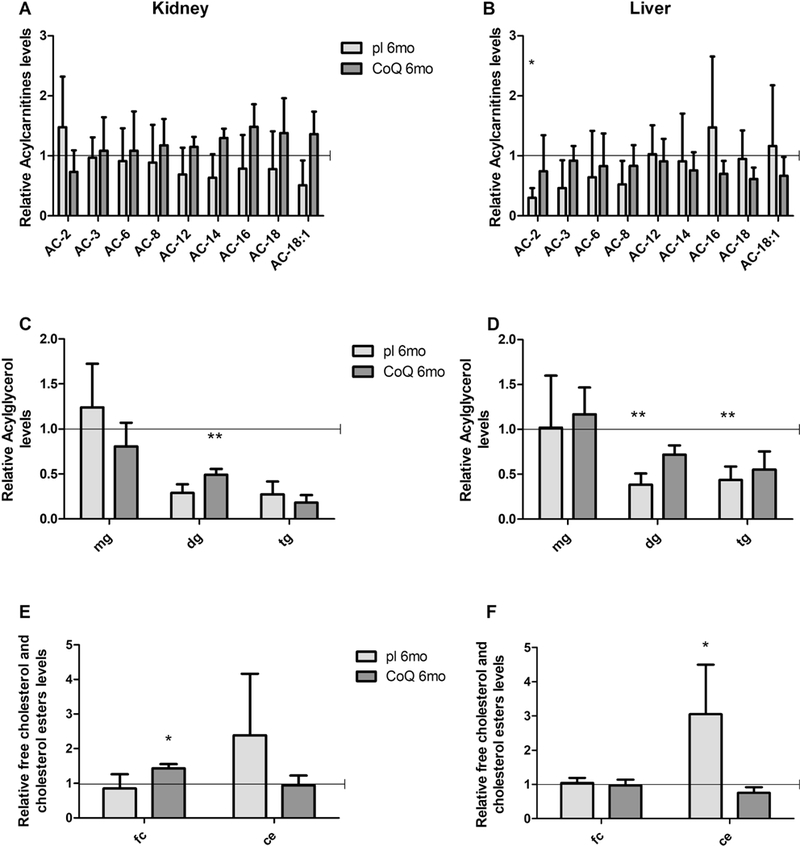
Nephrotic syndrome (NS), a frequent chronic kidney disease in children and young adults, is the most common phenotype associated with primary coenzyme Q10 (CoQ10) deficiency and is very responsive to CoQ10 supplementation, although the pathomechanism is not clear. Here, using a mouse model of CoQ deficiency-associated NS, we show that long-term oral CoQ10 supplementation prevents kidney failure by rescuing defects of sulfides oxidation and ameliorating oxidative stress, despite only incomplete normalization of kidney CoQ levels and lack of rescue of CoQ-dependent respiratory enzymes activities. Liver and kidney lipidomics, and urine metabolomics analyses, did not show CoQ metabolites. To further demonstrate that sulfides metabolism defects cause oxidative stress in CoQ deficiency, we show that silencing of sulfide quinone oxido-reductase (SQOR) in wild-type HeLa cells leads to similar increases of reactive oxygen species (ROS) observed in HeLa cells depleted of the CoQ biosynthesis regulatory protein COQ8A. While CoQ10 supplementation of COQ8A depleted cells decreases ROS and increases SQOR protein levels, knock-down of SQOR prevents CoQ10 antioxidant effects. We conclude that kidney failure in CoQ deficiency-associated NS is caused by oxidative stress mediated by impaired sulfides oxidation and propose that CoQ supplementation does not significantly increase the kidney pool of CoQ bound to the respiratory supercomplexes, but rather enhances the free pool of CoQ, which stabilizes SQOR protein levels rescuing oxidative stress.
Keywords: CoQ deficiency; Coenzyme Q(10); Mitochondria; Oxidative stress; Sulfides.
Copyright © 2018 The Authors. Published by Elsevier B.V. All rights reserved.
Conflict of interest statement
Conflict of interest statement
The authors have declared that no conflict of interest exists.
Figures
References
-
- Emma F, Salviati L. Mitochondrial cytopathies and the kidney. Nephrol Ther. 2017:13 Suppl 1:S23–S8. - PubMed
-
- Bentinger M, Dallner G, Chojnacki T, Swiezewska E. Distribution and breakdown of labeled coenzyme Q10 in rat. Free Radic Biol Med. 2003:34(5):563–75. - PubMed
-
- Zhang Y, Aberg F, Appelkvist EL, Dallner G, Ernster L. Uptake of dietary coenzyme Q supplement is limited in rats. J Nutr. 1995:125(3):446–53. - PubMed
-
- Acosta MJ, Vazquez Fonseca L, Desbats MA, Cerqua C, Zordan R. Trevisson E, et al. Coenzyme Q biosynthesis in health and disease. Biochimica et biophysica acta. 2016:1857(8):1079–85. - PubMed
Publication types
MeSH terms
Substances
Supplementary concepts
Grants and funding
LinkOut - more resources
Full Text Sources
Other Literature Sources
Medical
Molecular Biology Databases
Miscellaneous
