


Mouse Model for Human Vitiligo
- PMID: 30253067
- PMCID: PMC6340773
- DOI: 10.1002/cpim.63
Mouse Model for Human Vitiligo
Abstract
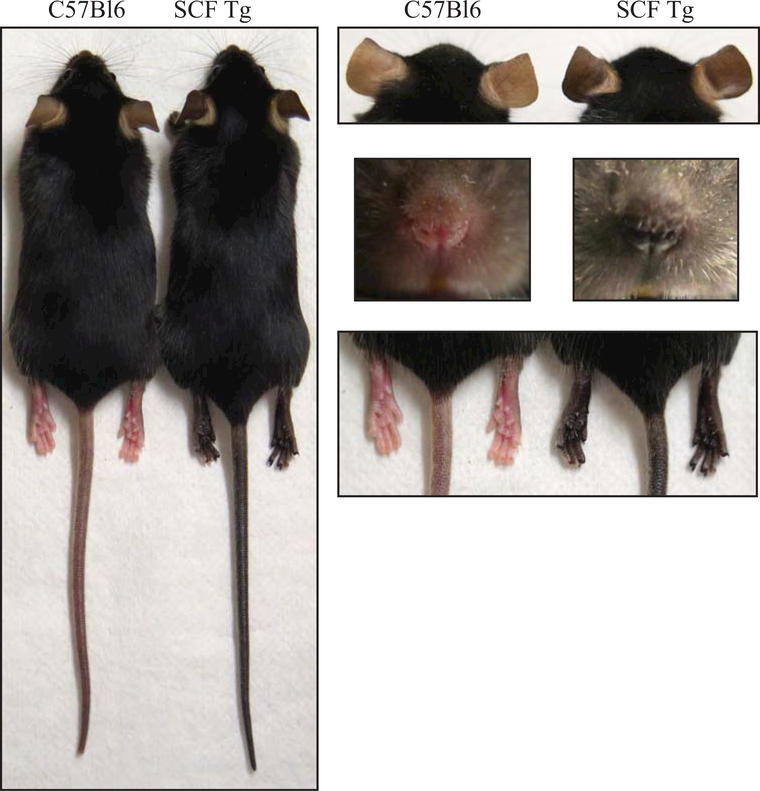
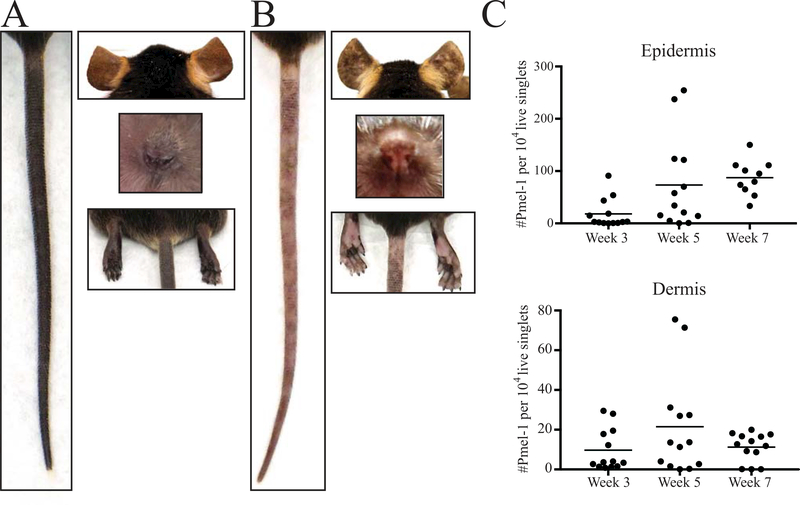
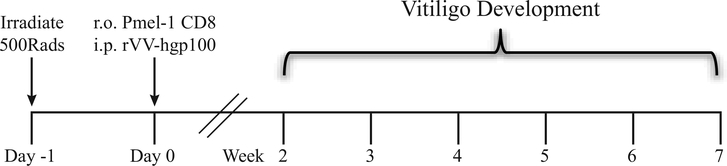
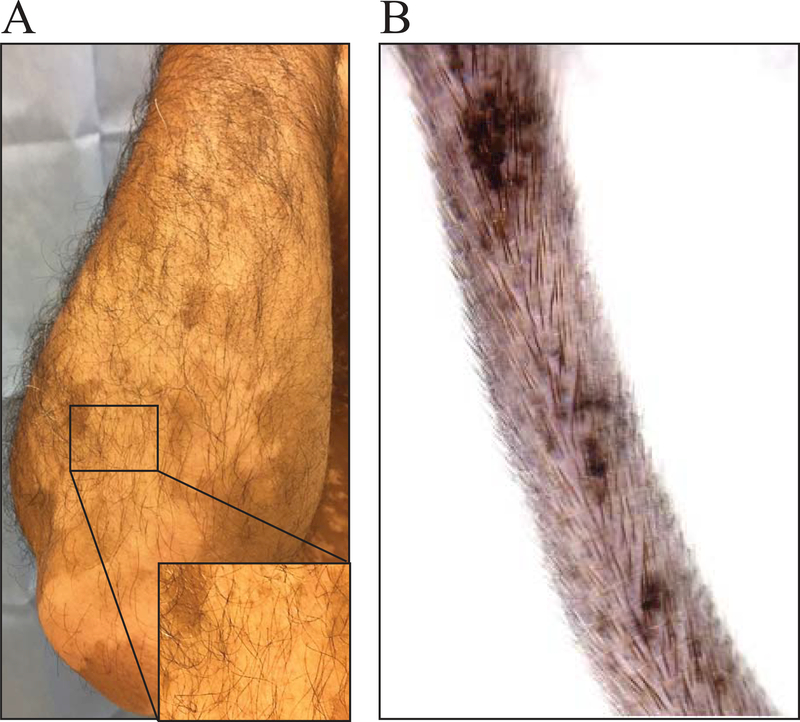
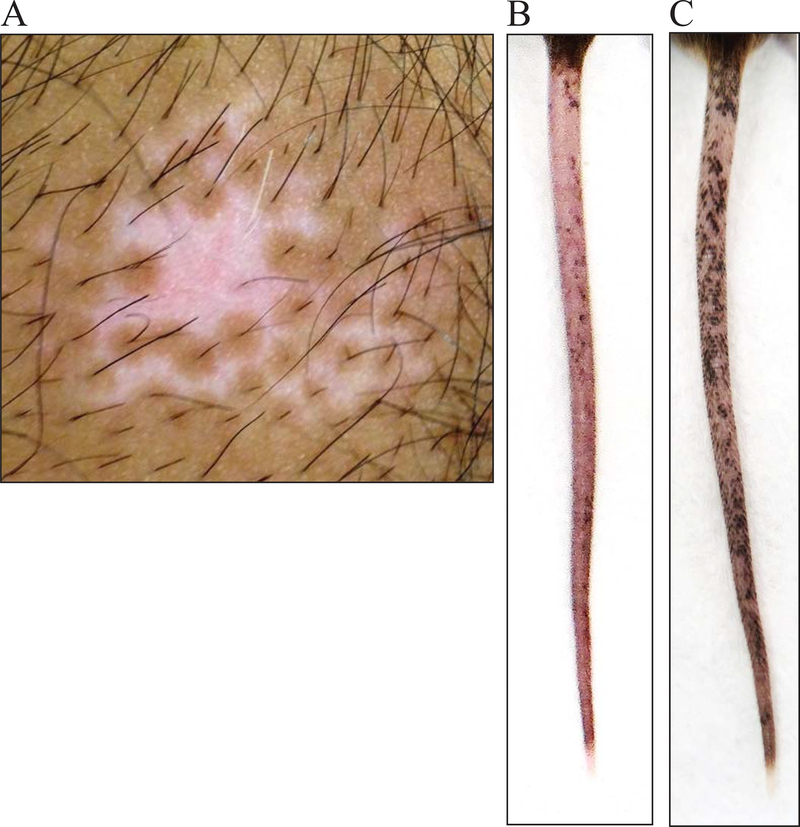
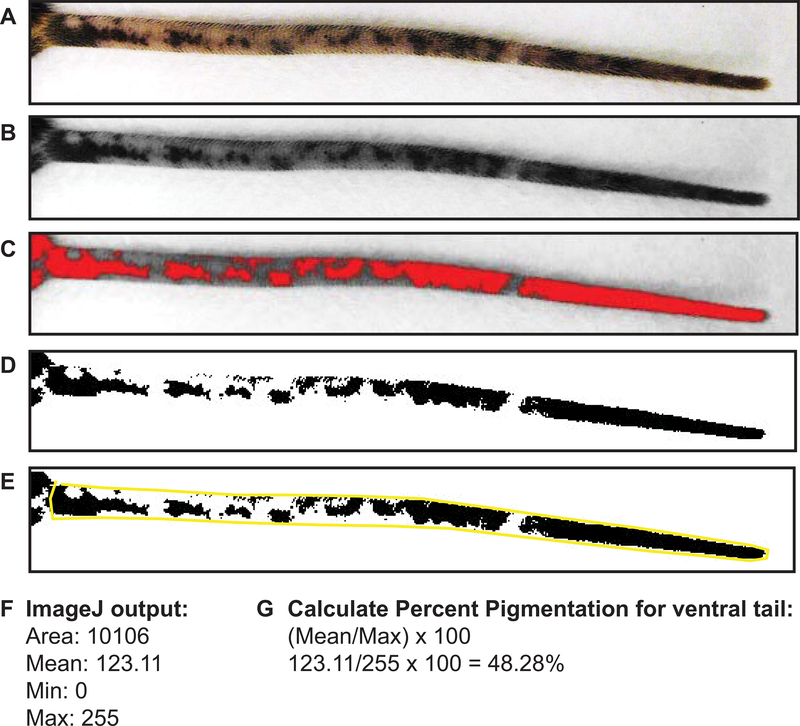
Vitiligo is an autoimmune skin disease in which the pigment-producing melanocytes are destroyed by autoreactive CD8+ T cells. As a result, patients develop disfiguring white spots on the skin. This article discusses the first mouse model of vitiligo that develops epidermal depigmentation, similar to disease in human patients. To achieve epidermal depigmentation, mice are genetically engineered to retain melanocytes in the skin epidermis. Induction of disease occurs by adoptive transfer of melanocyte-specific CD8+ T cells into recipient mice and the subsequent activation of these T cells using a viral vector. Depigmentation of the epidermis occurs within 5 to 7 weeks in a patchy pattern similar to patients with vitiligo. This article describes the methods of vitiligo induction, quantification of lesion progression and regression, processing of the skin for detailed analysis, and how to use this model to inform clinical studies. © 2018 by John Wiley & Sons, Inc.
Keywords: CD8 T cells; autoimmunity; melanocyte; mice; vitiligo.
© 2018 John Wiley & Sons, Inc.
Figures


References
-
- Alkhateeb A, Fain PR, Thody A, Bennett DC, & Spritz RA (2003). Epidemiology of vitiligo and associated autoimmune diseases in Caucasian probands and their families. Pigment Cell Research, 16(3), 208–214. - PubMed
Publication types
MeSH terms
Substances
Grants and funding
LinkOut - more resources
Full Text Sources
Other Literature Sources
Medical
Research Materials
