


Describing some behavioural animal models of anxiety and their mechanistics with special reference to oxidative stress and oxytocin relevance
- PMID: 30255057
- PMCID: PMC6137856
- DOI: 10.1016/j.ijvsm.2017.08.003
Describing some behavioural animal models of anxiety and their mechanistics with special reference to oxidative stress and oxytocin relevance
Abstract
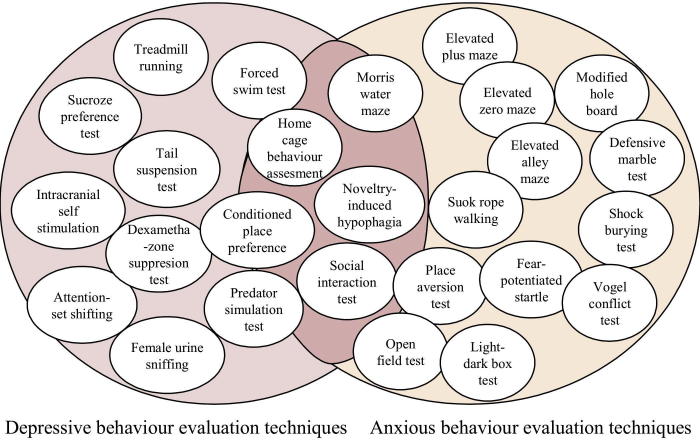
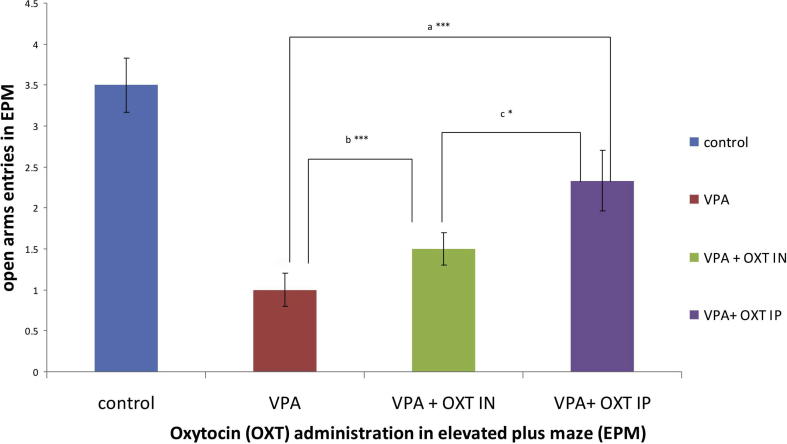
It is now generally accepted that animal studies are playing an important role in the understanding of anxiety disorders, since they contribute to the current knowledge regarding the mechanisms and possible therapeutic approaches in anxiety. In the present review we will detail some essential aspects of behavioral animal models of anxiety related to social defeat paradigm, elevated plus maze, elevated zero or T maze, light/dark box, social interaction test or tests based on predator models, considering the latest theories and methodological approaches in this area of research, as well as our previous studies focusing on anxiety manifestations in a variety of species including rats, zebrafish, dogs and pigs. Moreover, in this context, we will focus on the recent theories concerning oxidative stress, as well as importance of oxytocin administration (especially the intranasal route). This could be important considering that these two factors are currently being investigated as possible mechanisms (oxidative stress status) and related therapeutic target (both intranasal oxytocin and antioxidants) in the pathology of the anxiety disorders.
Keywords: Anxiety; Elevated plus maze; Neuropsychiatric diseases; Rat; Social defeat stress; Zebrafish.
Figures
References
-
- Diagnostic and statistical manual of mental disorders american psychiatric association. 5th ed. Arlington: American Psychiatric Publishing; 2013. p. 189–195.
-
- Lefter R., Cojocaru D., Ciobica A., Paulet I.M., Serban I.L., Anton E. Aspects of animal models for the major neuropsychiatric disorders. Arch Biol Sci Belgr. 2014;66:1105–1115.
-
- Fernando A.B., Robbins T.W. Animal models of neuropsychiatric disorders. Annu Rev Clin Psychol. 2011;7:39–61. - PubMed
Publication types
LinkOut - more resources
Full Text Sources
Other Literature Sources
