


The Health Literacy of U.S. Immigrant Adolescents: A Neglected Research Priority in a Changing World
- PMID: 30257475
- PMCID: PMC6209953
- DOI: 10.3390/ijerph15102108
The Health Literacy of U.S. Immigrant Adolescents: A Neglected Research Priority in a Changing World
Abstract
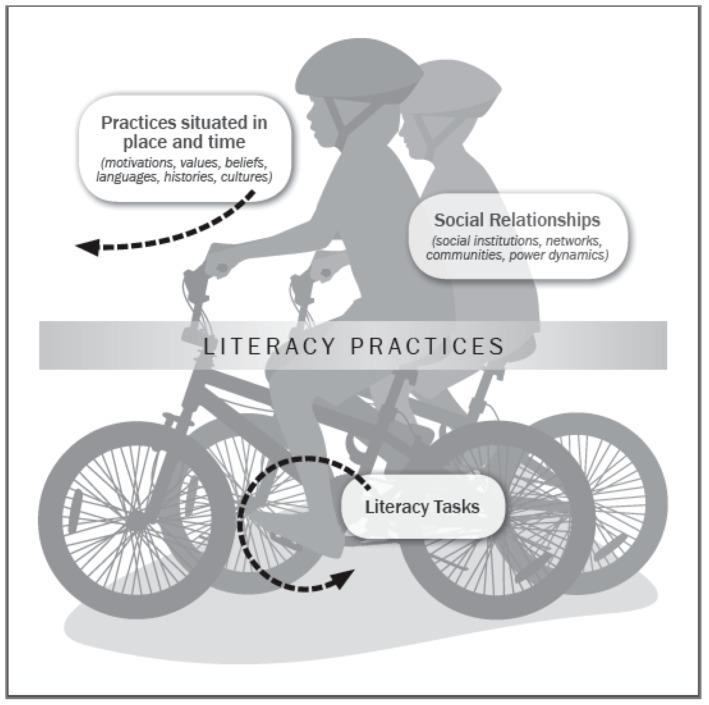
Immigrant adolescents are the fastest-growing sector among U.S. youth, but they receive little attention in health literacy research. Immigrant adolescents are a diverse population tasked with mastering new literacies while also navigating new social systems. Many immigrant adolescents serve as important linguistic and cultural resources in their families and local communities, and yet their contributions (and struggles) as new navigators of our health care system remain invisible. In this commentary article, we argue that health literacy researchers need to devote more attention to immigrant adolescents and the pathways by which they learn new language and literacy skills while also developing their own health habits and behaviors. We contend that the study of immigrant adolescents provides a critical window into health literacy as a socially and historically situated practice, specifically how immigrant adolescents' transnational experiences shape their learning of new health literacy practices. With a coordinated interdisciplinary research agenda on immigrant adolescents, the health literacy field will expand its empirical base for what becoming "health literate" looks like in today's globalizing world.
Keywords: adaptation; health literacy; immigrant adolescents; immigrant identity.
Conflict of interest statement
The authors declare no conflicts of interest.
Figures
References
-
- Zong J., Batalova J. Frequently Requested Statistics on Immigrants and Immigration in the United States. migrationpolicy.org, 2 February 2018. [(accessed on 20 September 2018)]; Available online: https://www.migrationpolicy.org/article/frequently-requested-statistics-....
-
- Batalova J., Fix M., Murray J. Measures of Change: The Demography and Literacy of Adolescent English Learners—A Report to Carnegie Corporation of New York. Migration Policy Institute; Washington, DC, USA: 2007.
-
- Dávila L.T. Diaspora Literacies. J. Adolesc. Adult Lit. 2015;58:641–649. doi: 10.1002/jaal.414. - DOI
-
- Jiang Y., Ekono M.M., Skinner C. Curtis, Basic Facts about Low-Income Children: Children 12 through 17 Years, 2014. [(accessed on 13 July 2018)]; Available online: http://www.nccp.org/publications/pub_1145.html.
Publication types
MeSH terms
Grants and funding
LinkOut - more resources
Full Text Sources
Other Literature Sources
Medical
