


RETRACTED ARTICLE: Cervical adenosquamous carcinoma: detailed analysis of morphology, immunohistochemical profile, and clinical outcomes in 59 cases
- PMID: 30258209
- PMCID: PMC6353675
- DOI: 10.1038/s41379-018-0123-6
RETRACTED ARTICLE: Cervical adenosquamous carcinoma: detailed analysis of morphology, immunohistochemical profile, and clinical outcomes in 59 cases
Retraction in
-
Retraction Note to: Cervical adenosquamous carcinoma: detailed analysis of morphology, immunohistochemical profile, and clinical outcomes in 59 cases.Mod Pathol. 2022 Jun;35(6):854. doi: 10.1038/s41379-022-01072-0. Mod Pathol. 2022. PMID: 35338261 Free PMC article. No abstract available.
Abstract
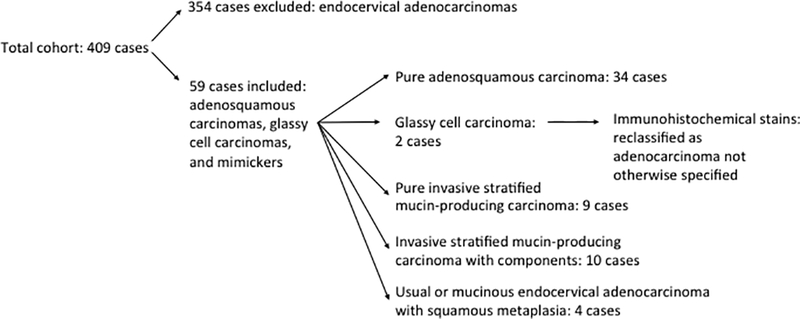
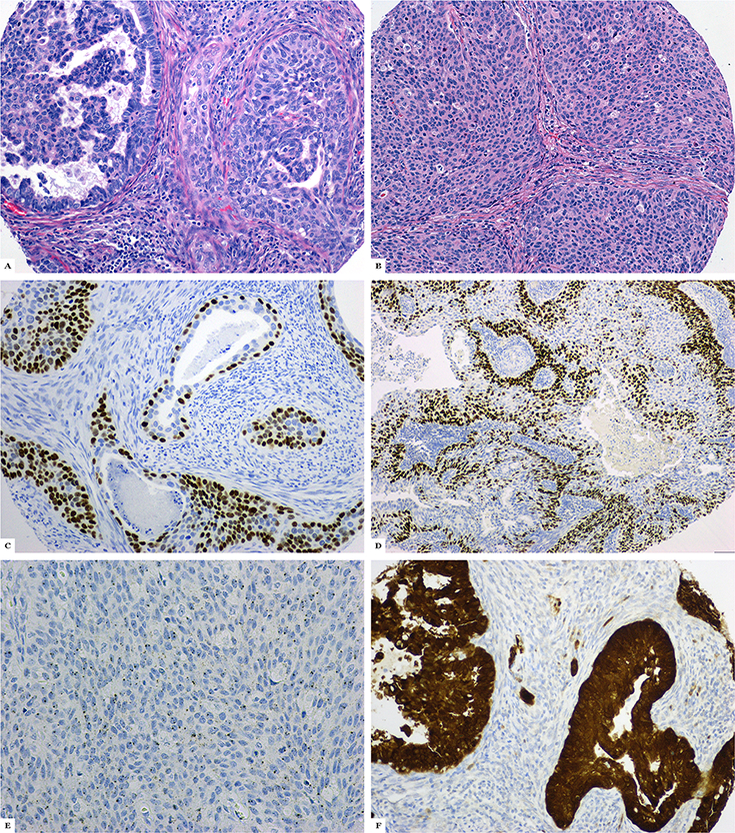
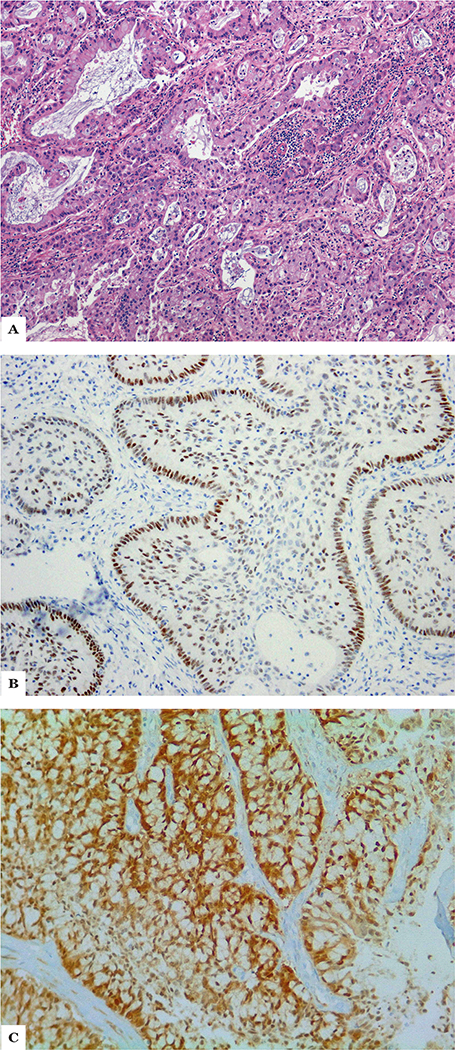
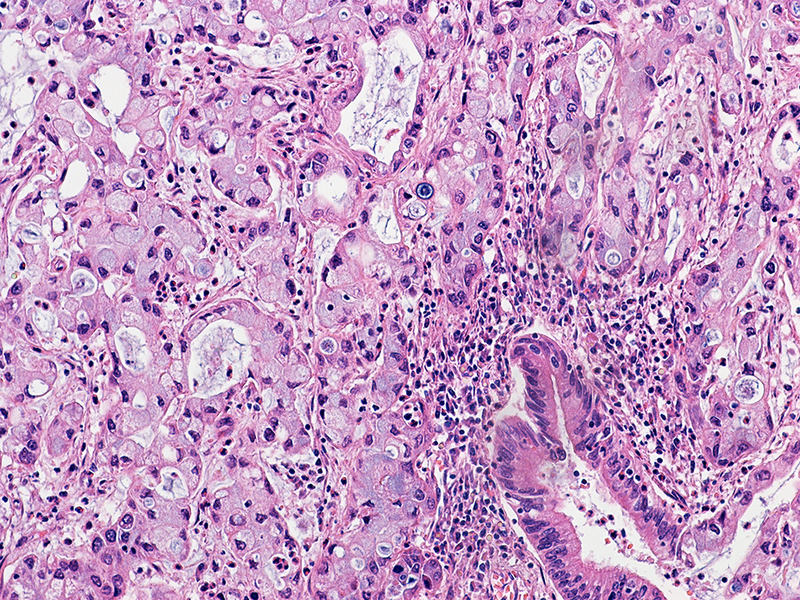
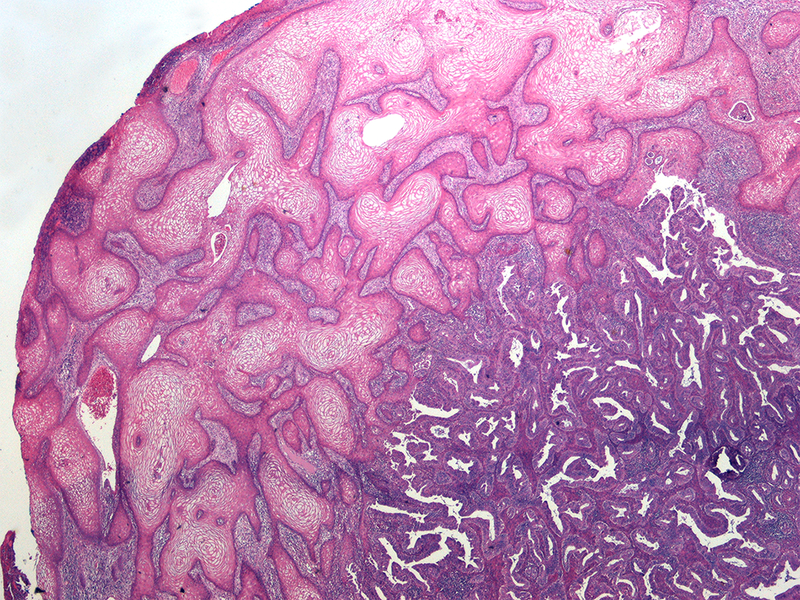
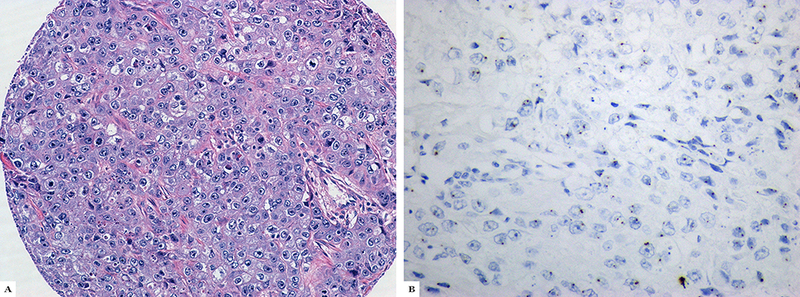
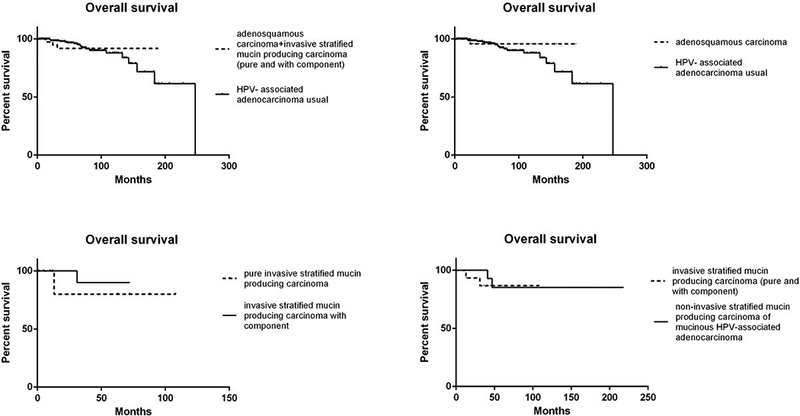
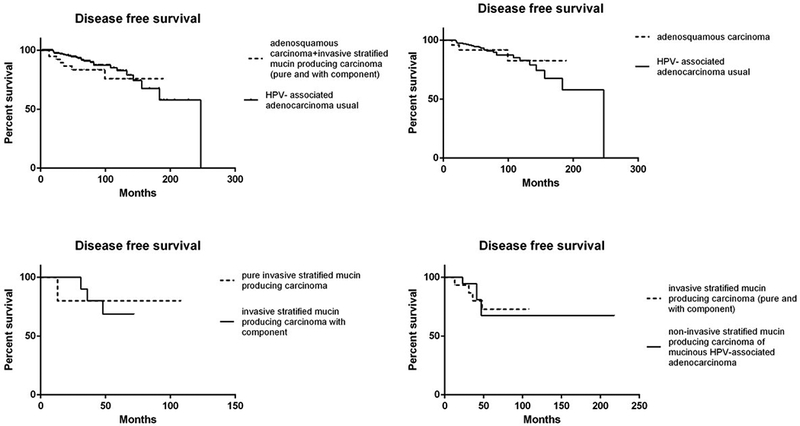
Although 2014 World Health Organization criteria require unequivocal glandular and squamous differentiation for a diagnosis of cervical adenosquamous carcinoma, in practice, adenosquamous carcinoma diagnoses are often made in tumors that lack unequivocal squamous and/or glandular differentiation. Considering the ambiguous etiologic, morphological, and clinical features and outcomes associated with adenosquamous carcinomas, we sought to redefine these tumors. We reviewed slides from 59 initially diagnosed adenosquamous carcinomas (including glassy cell carcinoma and related lesions) to confirm an adenosquamous carcinoma diagnosis only in the presence of unequivocal malignant glandular and squamous differentiation. Select cases underwent immunohistochemical profiling as well as human papillomavirus (HPV) testing by in situ hybridization. Of the 59 cases originally classified as adenosquamous carcinomas, 34 retained their adenosquamous carcinoma diagnosis, 9 were reclassified as pure invasive stratified mucin-producing carcinomas, 10 as invasive stratified mucin-producing carcinomas with other components (such as HPV-associated mucinous, usual-type, or adenosquamous carcinomas), and 4 as HPV-associated usual or mucinous adenocarcinomas with benign-appearing squamous metaplasia. Two glassy cell carcinomas were reclassified as poorly differentiated usual-type carcinomas based on morphology and immunophenotype. There were significant immunophenotypic differences between adenosquamous carcinomas and pure invasive stratified mucin-producing carcinomas with regard to HPV (p < 0.0001), PAX8 (p = 0.038; more in adenosquamous carcinoma), p40 (p < 0.0001; more in adenosquamous carcinoma), p63 (p = 0.0018; more in adenosquamous carcinoma) and MUC6 (p < 0.0001; less in adenosquamous carcinoma), HNF-1beta (p = 0.0023), vimentin (p = 0.0003), p53 (p = 0.0004), and CK7 (p = 0.0002) expression. Survival outcomes were similar between all groups. Adenosquamous carcinomas should be diagnosed only in the presence of unequivocal malignant glandular and squamous differentiation. The two putative glassy cell carcinomas studied did not meet our criteria for adenosquamous carcinoma, and categorizing them as such should be reconsidered.
Conflict of interest statement
Figures
References
-
- Stoler M, Bergeron C, Colgan TJ, et al. Tumours of the Uterine Cervix In: Kurman RJ, Carcangiu ML, Herrington CS, et al., editors. WHO Classification of Tumours of Female Reproductive Organs, 4th ed. Lyon, France: IARC Press, 2014. p 184.
-
- Cherry CP, Glucksmann A. Incidence, histology, and response to radiation of mixed carcinomas (adenoacanthomas) of the uterine cervix. Cancer 1956;9:971–99. - PubMed
-
- Green LS, Muirhead W. Improvement in results of treatment of carcinoma of the cervix. J Can Assoc Radiol 1963;14:191–199. - PubMed
-
- Costa MJ, Kenny MB, Hewan-Lowe K, et al. Glassy cell features in adenosquamous carcinoma of the uterine cervix. Histologic, ultrastructural, immunohistochemical, and clinical findings. Am J Clin Pathol 1991;96:520–528. - PubMed
-
- Young RH, Clement PB. Endocervical adenocarcinoma and its variants: their morphology and differential diagnosis. Histopathology 2002;41:185–207. - PubMed
Publication types
MeSH terms
Substances
Grants and funding
LinkOut - more resources
Full Text Sources
Other Literature Sources
Medical
Research Materials
Miscellaneous
