


Is There an Optimal Wound Closure Technique for Major Posterior Spine Surgery? A Systematic Review
- PMID: 30258761
- PMCID: PMC6149048
- DOI: 10.1177/2192568218774323
Is There an Optimal Wound Closure Technique for Major Posterior Spine Surgery? A Systematic Review
Abstract
Study design: Systematic review.
Objectives: In patients undergoing posterior spinal fusion: (1) What are the types and risks of wound complications in major (≥3 levels) surgery, and does the risk vary by number of levels fused? (2) What types of fascial closure result in the fewest wound complications? (3) What subcutaneous closure technique is more effective in preventing wound complications for obese patients (body mass index >30 kg/m2)? (4) What type of skin closure results in the fewest wound complications? (5) What type of dressing results in the fewest wound complications?
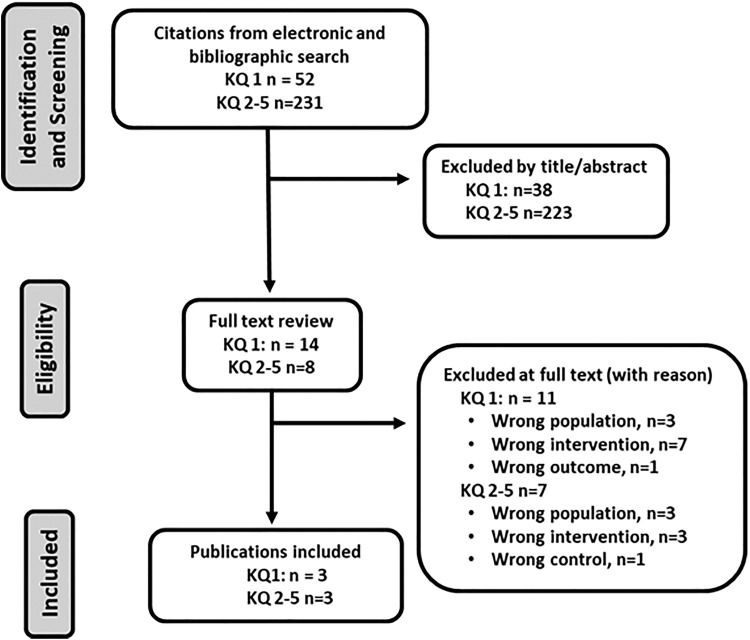
Methods: Electronic databases and reference lists of key articles were searched from January 1, 2000 to December 4, 2017 to identify studies meeting inclusion criteria.
Results: Six lower quality retrospective studies (evidence level III) met the inclusion criteria. The risk of wound complications in patients with ≥3 level posterior spine fusion ranges from 1.5% to 3.7% depending on the definition of wound complications. Skin closure with sutures resulted in fewer wound infections compared with staples (0.0% vs 8.0%, P = .023). We were unable to demonstrate an association between the number of levels fused and infection risk. Wound infections, primarily superficial, occurred less frequently with Silverlon dressing versus routine dressing.
Conclusions: We were unable to determine if infection risk changed with increasing number of levels fused. There is a lack of evidence for optimal wound closure technique in posterior spine surgery. Several questions still remain unanswered, such as the optimal fascial closure technique or the optimal subcutaneous closure technique in obese patients.
Keywords: skin closure; spine surgery; wound closure; wound complication; wound infection.
Conflict of interest statement
Declaration of Conflicting Interests: The author(s) declared no potential conflicts of interest with respect to the research, authorship, and/or publication of this article.
Figures
References
-
- Silber JS, Anderson DG, Vaccaro AR, Anderson PA, McCormick P; NASS. Management of postprocedural discitis. Spine J. 2002;2:279–287. - PubMed
-
- Rechtine GR, Bono PL, Cahill D, Bolesta MJ, Chrin AM. Postoperative wound infection after instrumentation of thoracic and lumbar fractures. J Orthop Trauma. 2001;15:566–569. - PubMed
LinkOut - more resources
Full Text Sources
Other Literature Sources
Miscellaneous
