


Breast cancer development and progression: Risk factors, cancer stem cells, signaling pathways, genomics, and molecular pathogenesis
- PMID: 30258937
- PMCID: PMC6147049
- DOI: 10.1016/j.gendis.2018.05.001
Breast cancer development and progression: Risk factors, cancer stem cells, signaling pathways, genomics, and molecular pathogenesis
Abstract
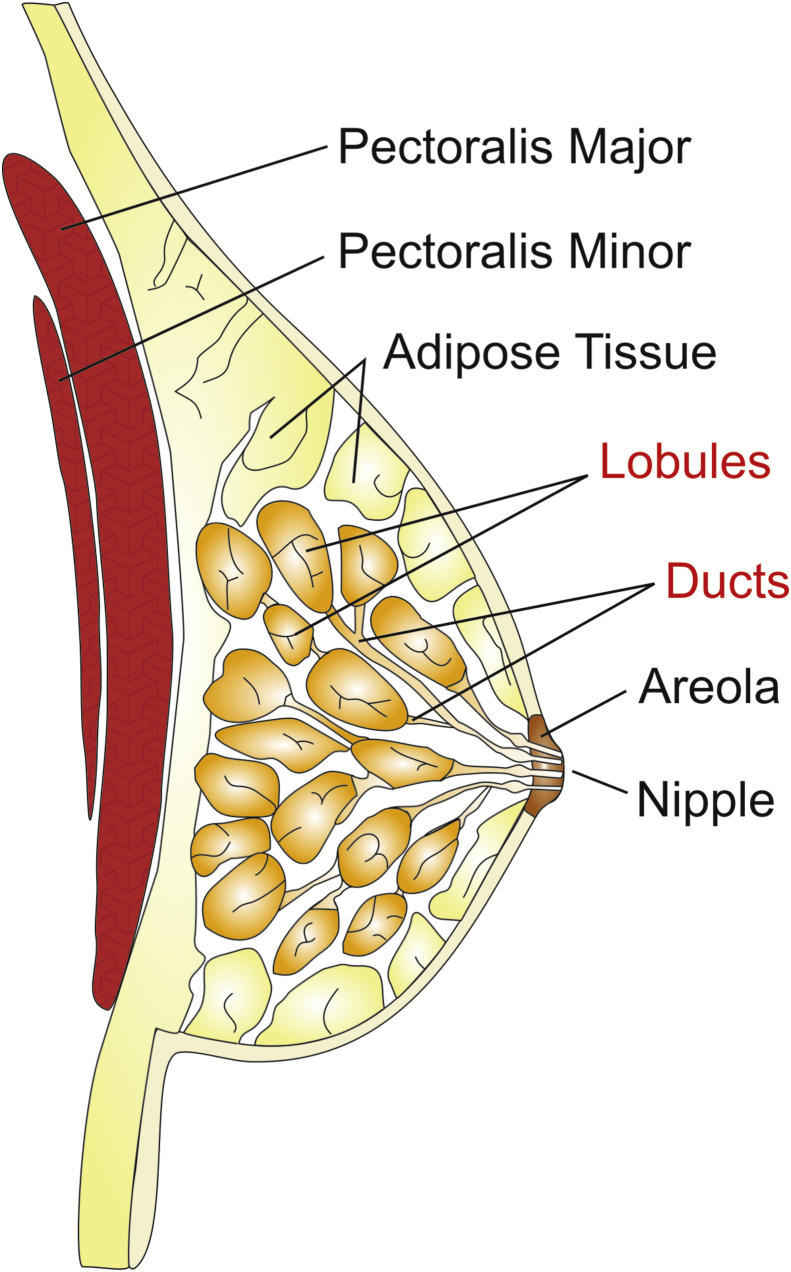
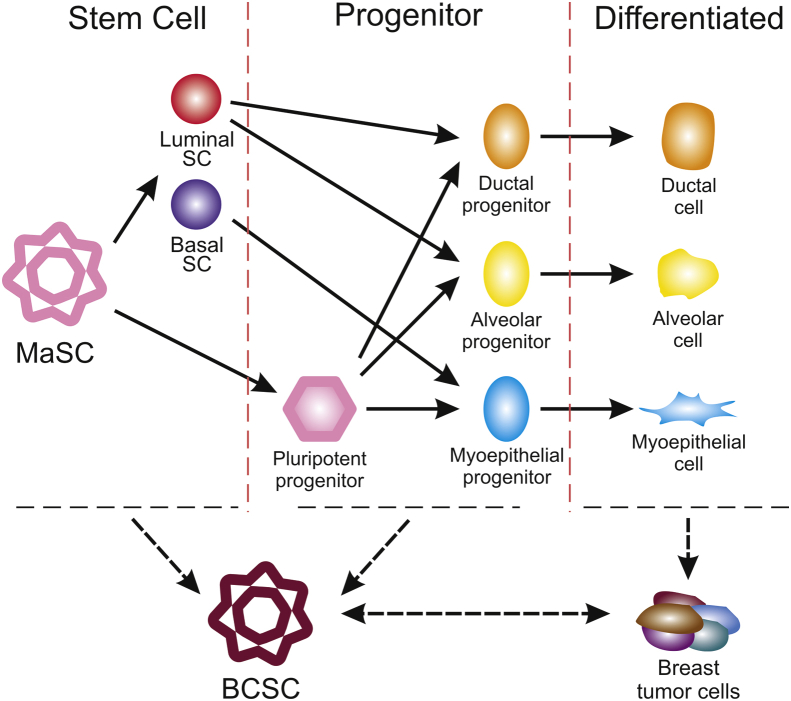
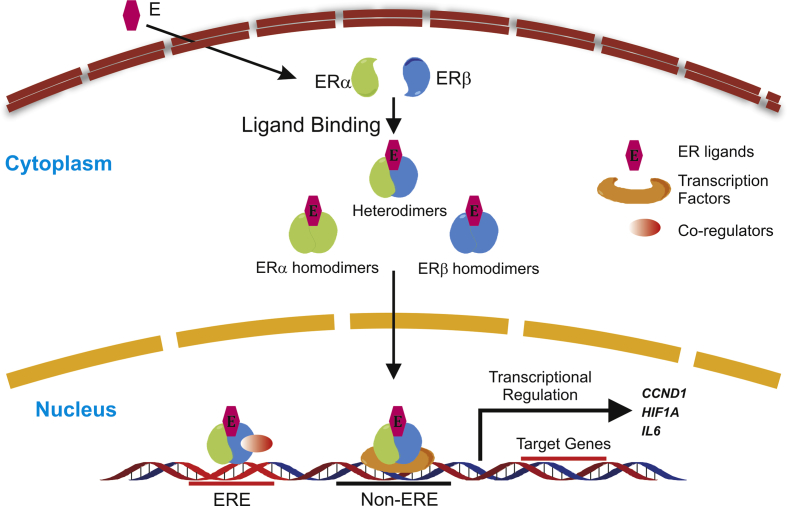
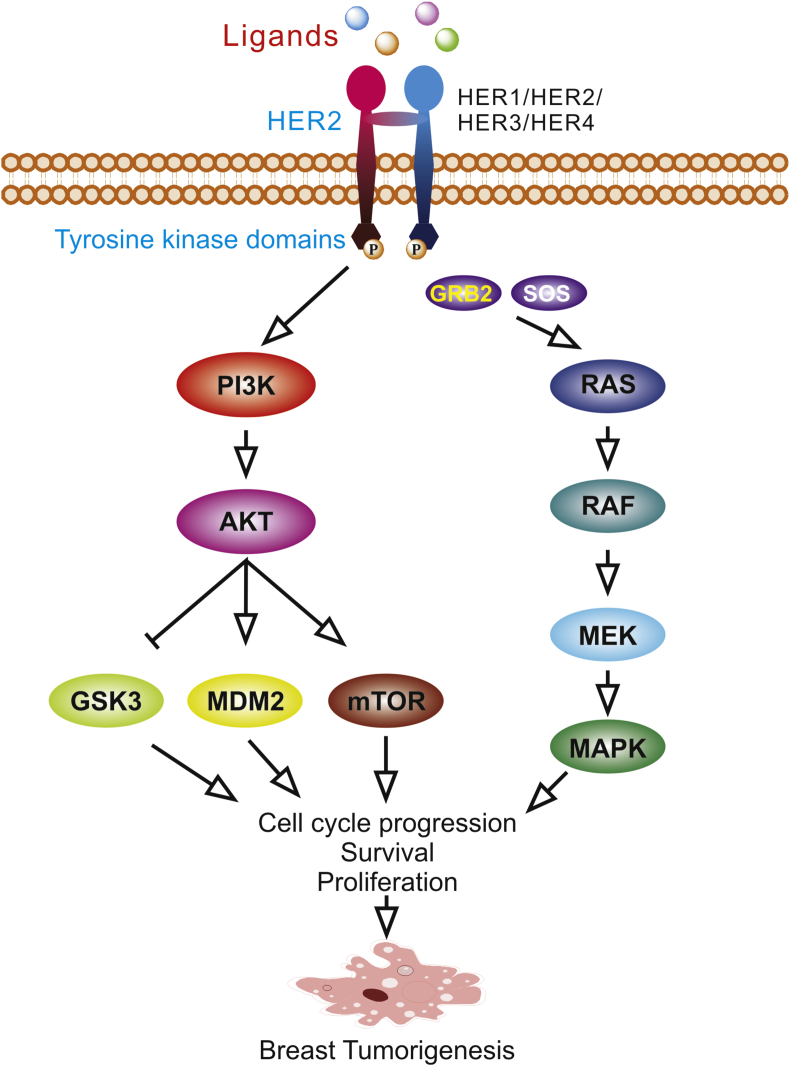
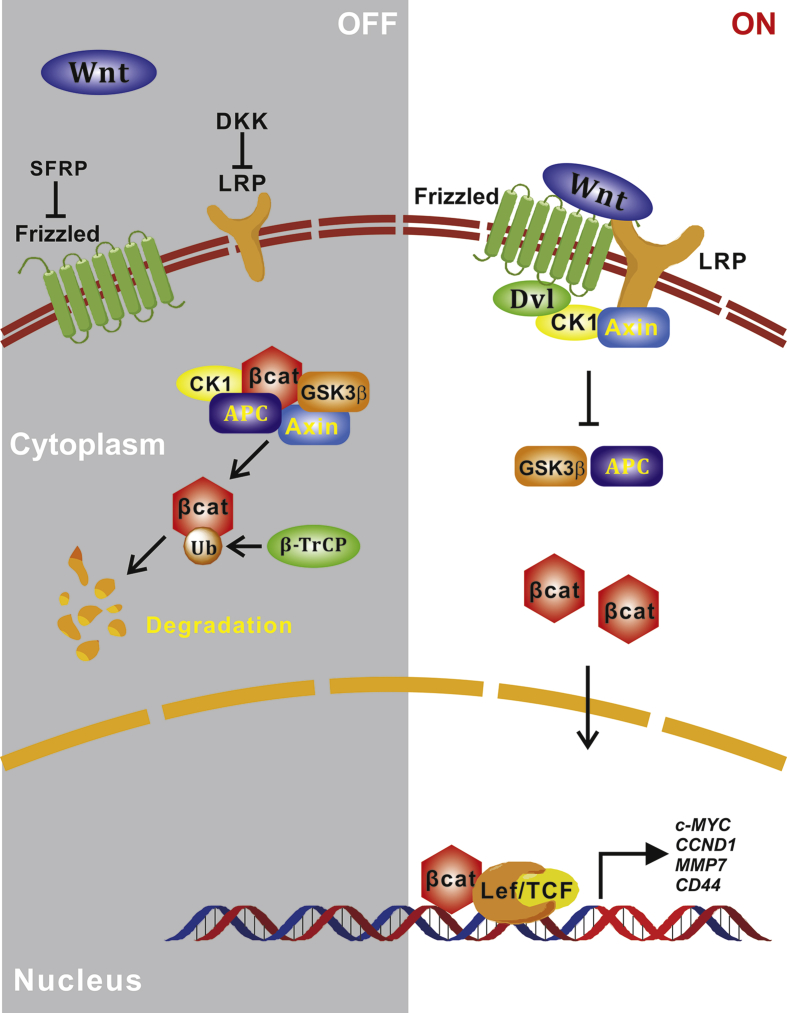
As the most commonly occurring cancer in women worldwide, breast cancer poses a formidable public health challenge on a global scale. Breast cancer consists of a group of biologically and molecularly heterogeneous diseases originated from the breast. While the risk factors associated with this cancer varies with respect to other cancers, genetic predisposition, most notably mutations in BRCA1 or BRCA2 gene, is an important causative factor for this malignancy. Breast cancers can begin in different areas of the breast, such as the ducts, the lobules, or the tissue in between. Within the large group of diverse breast carcinomas, there are various denoted types of breast cancer based on their invasiveness relative to the primary tumor sites. It is important to distinguish between the various subtypes because they have different prognoses and treatment implications. As there are remarkable parallels between normal development and breast cancer progression at the molecular level, it has been postulated that breast cancer may be derived from mammary cancer stem cells. Normal breast development and mammary stem cells are regulated by several signaling pathways, such as estrogen receptors (ERs), HER2, and Wnt/β-catenin signaling pathways, which control stem cell proliferation, cell death, cell differentiation, and cell motility. Furthermore, emerging evidence indicates that epigenetic regulations and noncoding RNAs may play important roles in breast cancer development and may contribute to the heterogeneity and metastatic aspects of breast cancer, especially for triple-negative breast cancer. This review provides a comprehensive survey of the molecular, cellular and genetic aspects of breast cancer.
Keywords: BRCA1/2; Breast cancer; Cancer stem cells; Estrogen receptors; HER2; Noncoding RNAs; Triple-negative breast cancer; Tumor heterogeneity.
Figures
References
-
- Siegel R.L., Miller K.D., Jemal A. Cancer statistics, 2018. CA Cancer J Clin. 2018;68(1):7–30. - PubMed
-
- Chen W., Zheng R., Baade P.D. Cancer statistics in China, 2015. CA Cancer J Clin. 2016;66(2):115–132. - PubMed
-
- Torre L.A., Bray F., Siegel R.L., Ferlay J., Lortet-Tieulent J., Jemal A. Global cancer statistics, 2012. CA Cancer J Clin. 2015;65(2):87–108. - PubMed
-
- Veronesi U., Boyle P., Goldhirsch A., Orecchia R., Viale G. Breast cancer. Lancet. 2005;365(9472):1727–1741. - PubMed
Publication types
Grants and funding
LinkOut - more resources
Full Text Sources
Other Literature Sources
Research Materials
Miscellaneous
